Piet Oudolf’s 16 favourite plants
Create your own Oudolf garden
1. ACTAEA
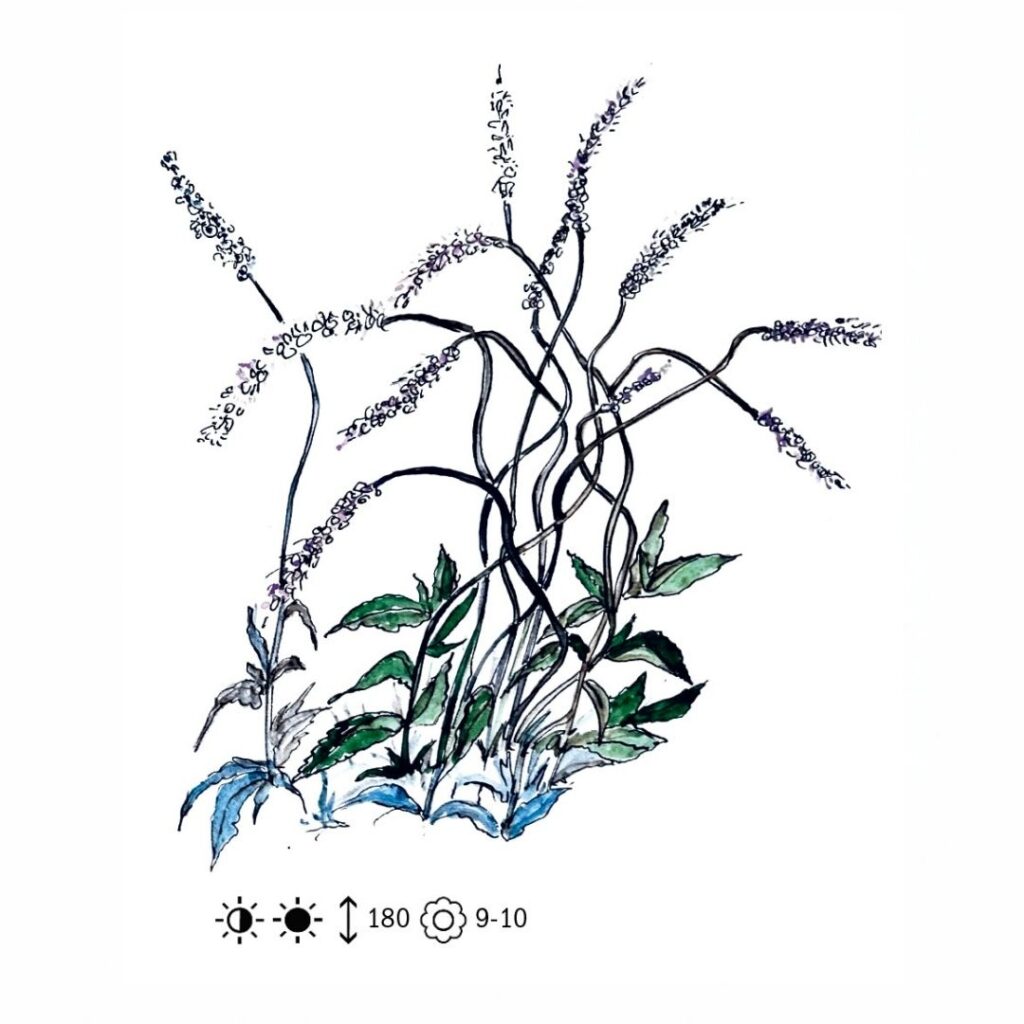
Piet Oudolf found this spectacular variety in his garden: two completely different actaeae had found each other without his input. This beautiful hybrid has slender, dark stems with long nodding ears bearing fragrant white flowers. When planted in the shade, it will treat you to a fireworks show. In the wild, these plants grow on damp wood floors or in ravines, out of direct sunlight. In gardens they can tolerate the sun, provided the soil does not dry out. All actaeae are deeply fragrant to attract pollinators in autumn. To enhance the sparkling effect of their flowers, place the plant between or behind contrasting plants, for example the low fern-like foliage of the Polemonium.
2. AGASTACHE
2. AGASTACHE
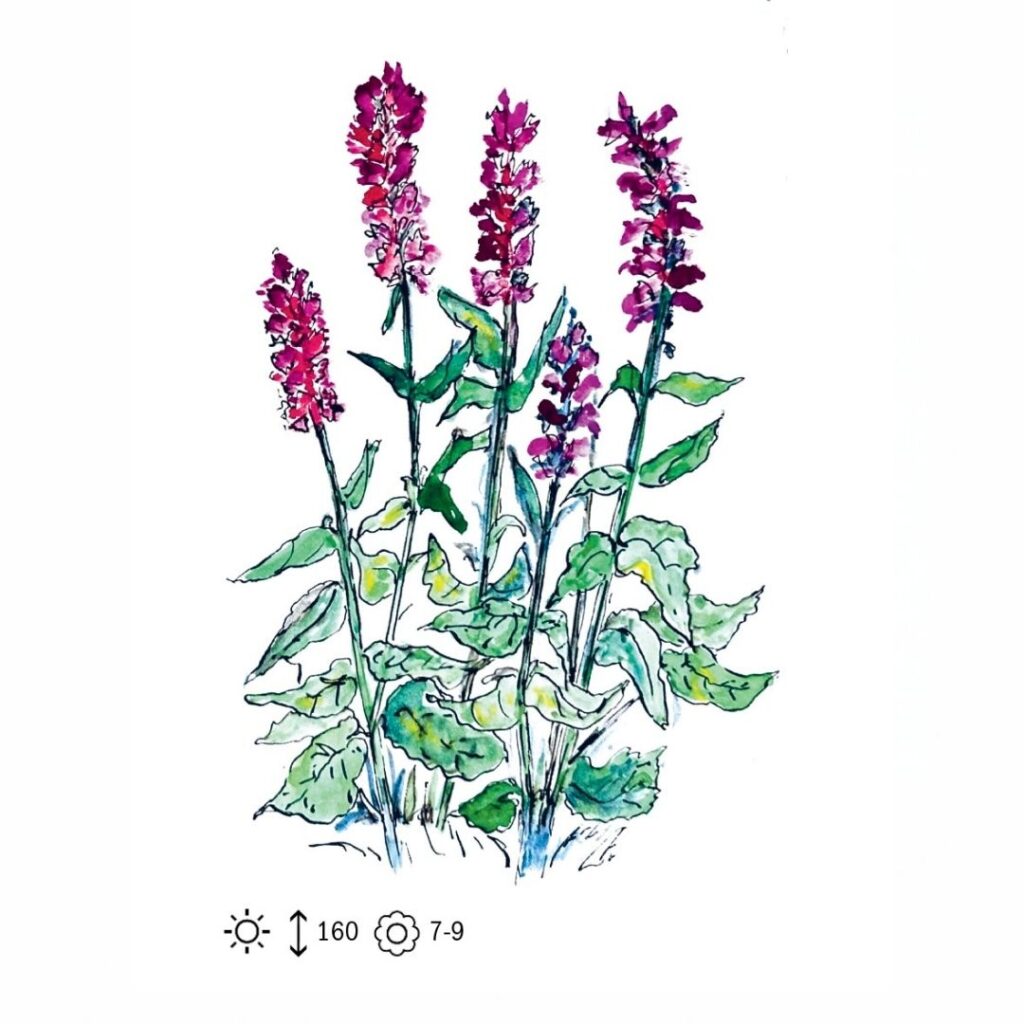
You can find this plant in most of Oudolf’s designs (see the gardens at the Singer Museum and the Vlinderhof). A wonderful garden plant; everything about it is ‘just right’. The clear vertical structures provide excellent layering within the overall garden design. These plants produce blossoms over a long period and have tall gray spikes from which clusters of purple flowers sprout. The flowers are frequented by bees and butterflies and the leaves make a great ice tea with hints of mint and anise. Even in the winter, the plant’s sturdy silhouette remains beautiful, providing seeds for blue tits and bullfinches to peck at.
3. ALLIUM
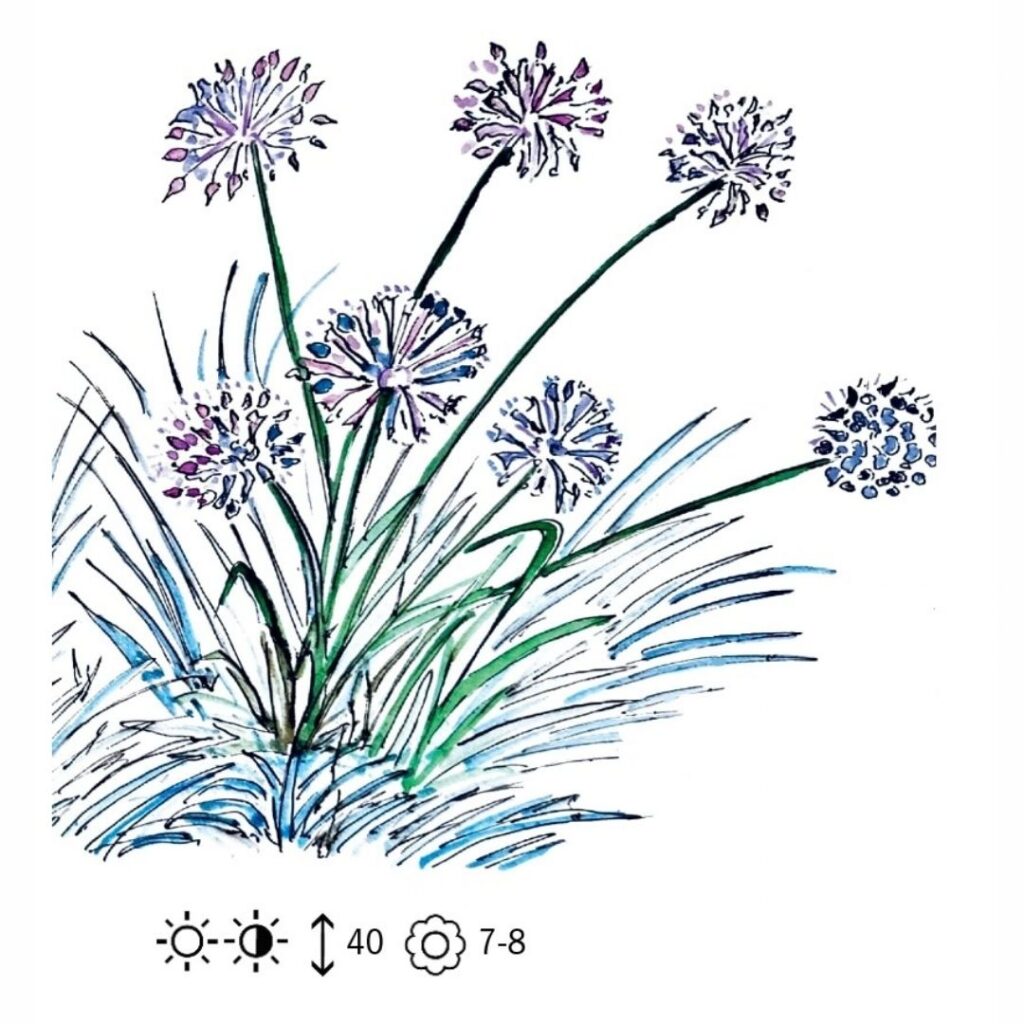
The Summer Beauty Allium is a slightly less dramatic alternative to the more common Drumstick alliums which sprout from gardens in the late spring. Behaving more like a perennial, the Summer Beauty flowers later from a dense leafy base and gives rise to spherical pink flower heads. The Summer Beauty maintains its colour throughout the autumns and the faded paper-like flowers keep their shape throughout the harsh winter months. A favourite, thanks to its playful shape.
Bio Bollen Box
Bio Bollen Box
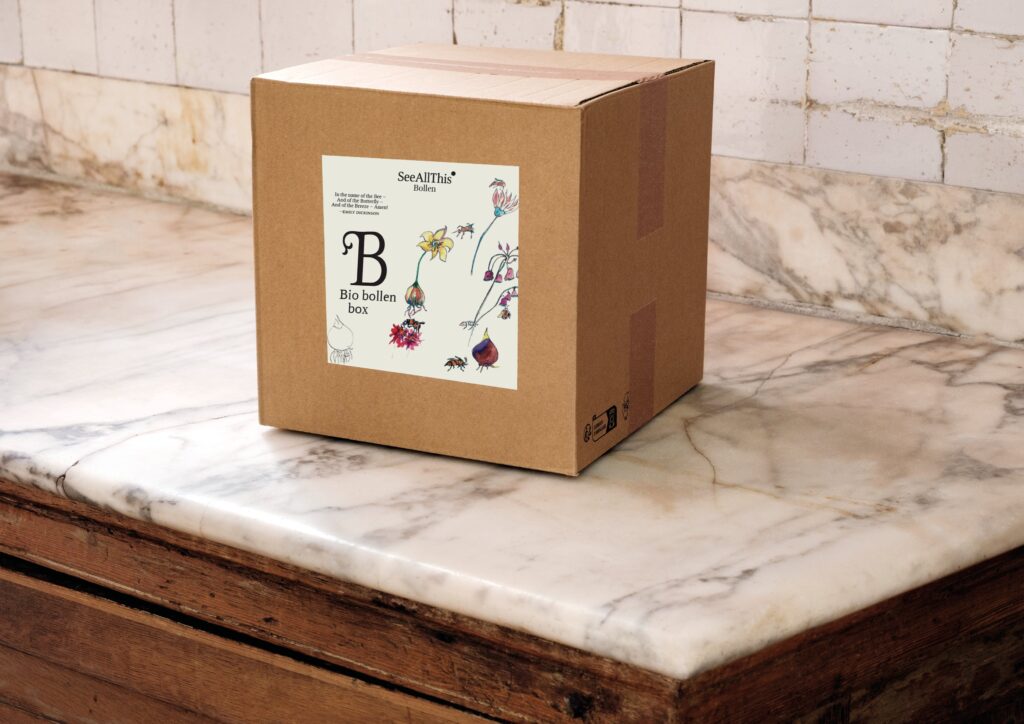
Every autumn, together with PuurBio, we put together a special Bio Bollen Box, featuring a selection of exceptional organically grown bulbs that bring your garden to life all year round.
4. ASTRANTIA
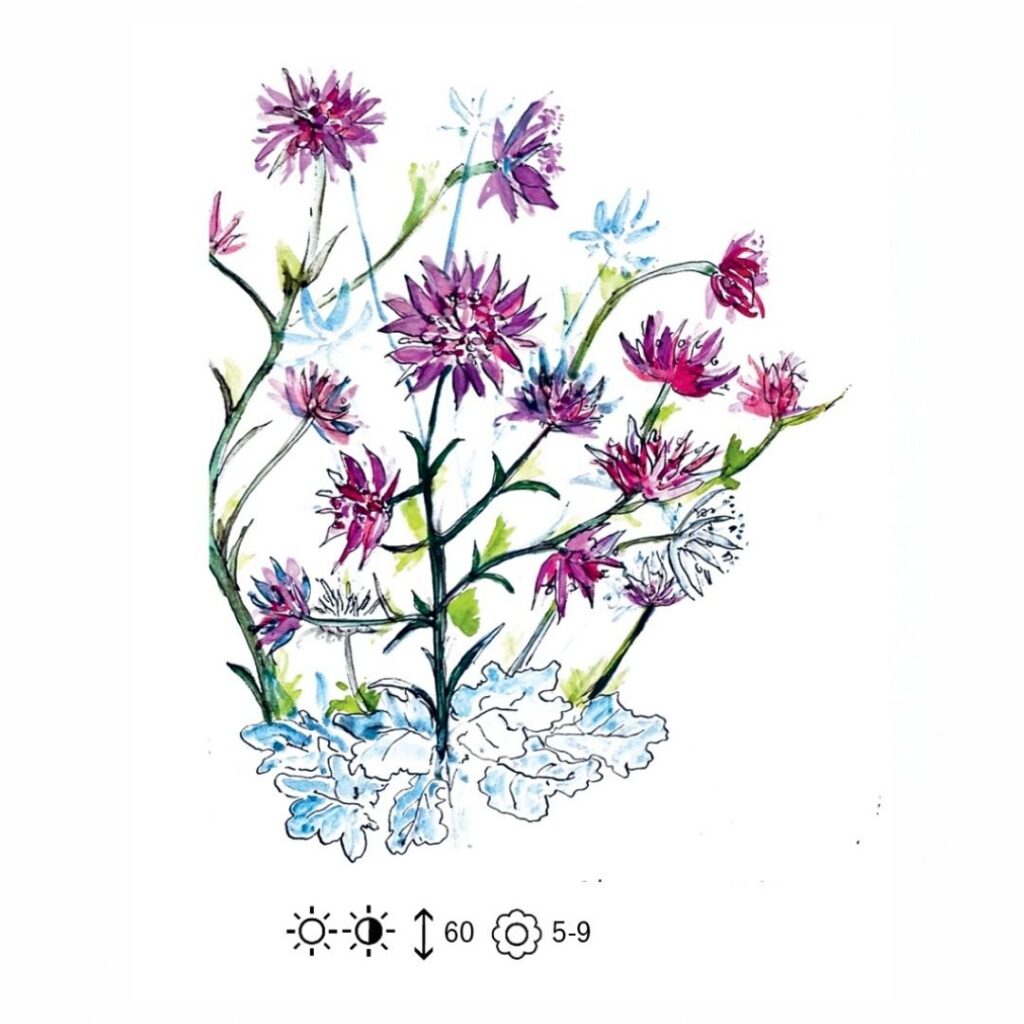
Oudolf found this cultivar in his garden 25 years ago and, mesmerised by the shape and colour, chose to share it and put it on the market. A must-have for every gardener. The Astrantia Roma is a delightful, old-fashioned plant that arose by chance from anonymity. The attractive, glossy foliage makes a great backdrop for the pincushion shaped flowers. An elegant little flower to admire in a vase. After flowering in the spring, the plant can be cut back entirely, including leaves. The foliage and flowers will return within weeks.
5. BRIZA MEDIA
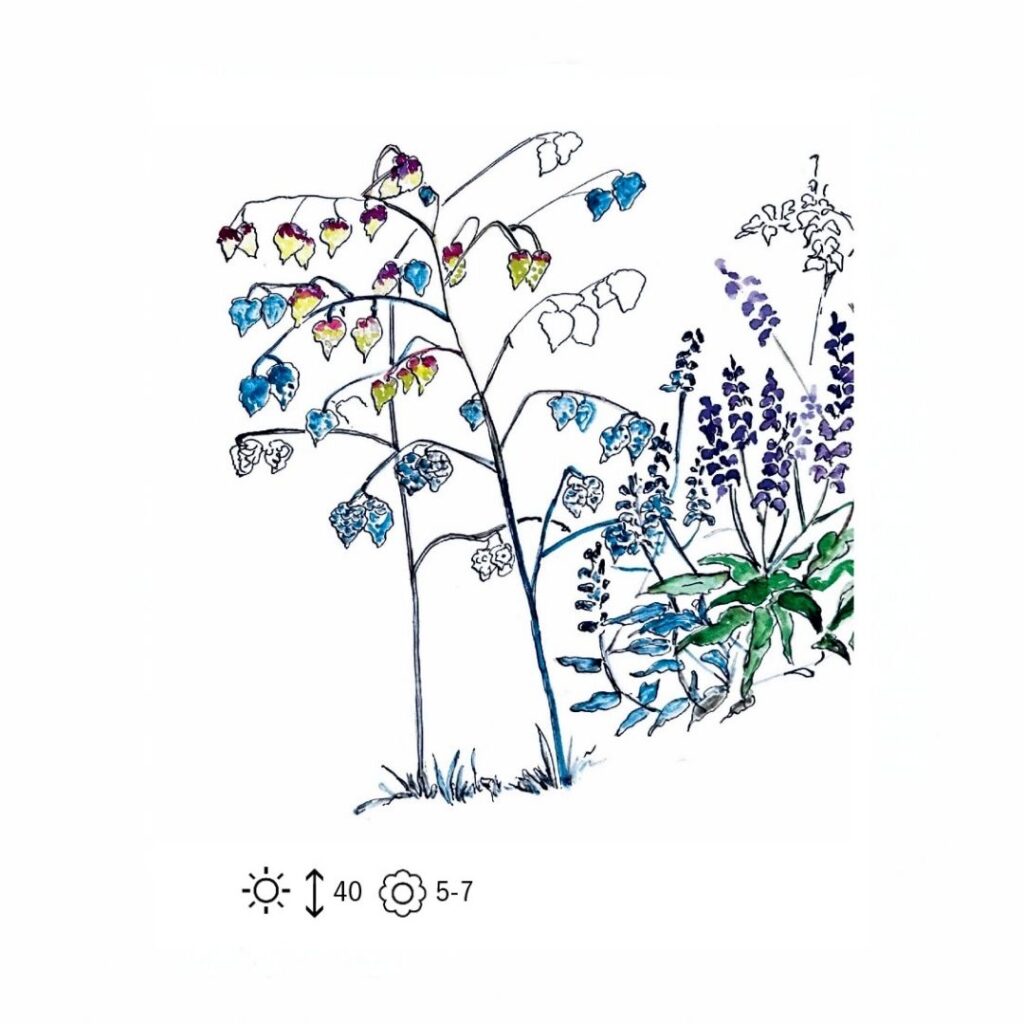
5. BRIZA MEDIA
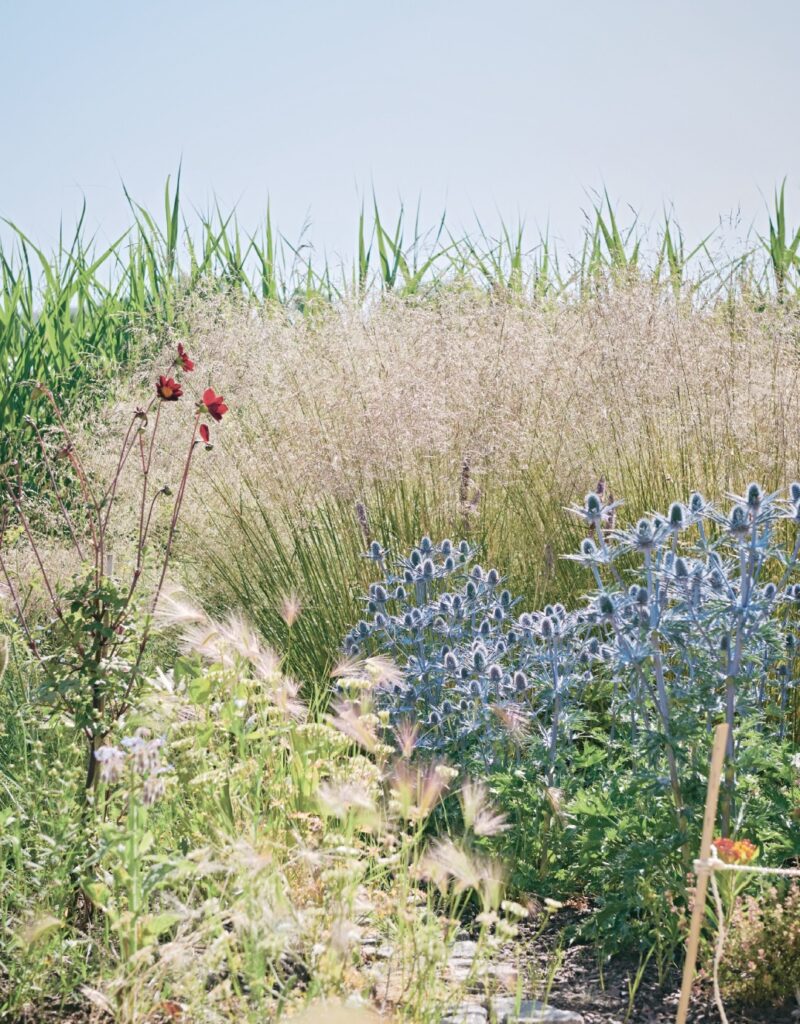
Along with Dechampsia and Sporobolus, Briza Media is one of the three base grasses which appear throughout Oudolf’s designs. The plant will make your garden dance during the day and capture the moonlight at night. The plant lies low and flowers early and its blue-green foliage will fill in the spaces within the planter or border. True to its name, ‘Quaking Grass’ glossy green and purple buds dangle from crooked stems and ‘quake’ from the slightest breeze. A main character amongst the plants along Oudolf’s 2-kilometre-long garden ‘The High Line’ in New York.
6. CALAMINTHA NEPETA
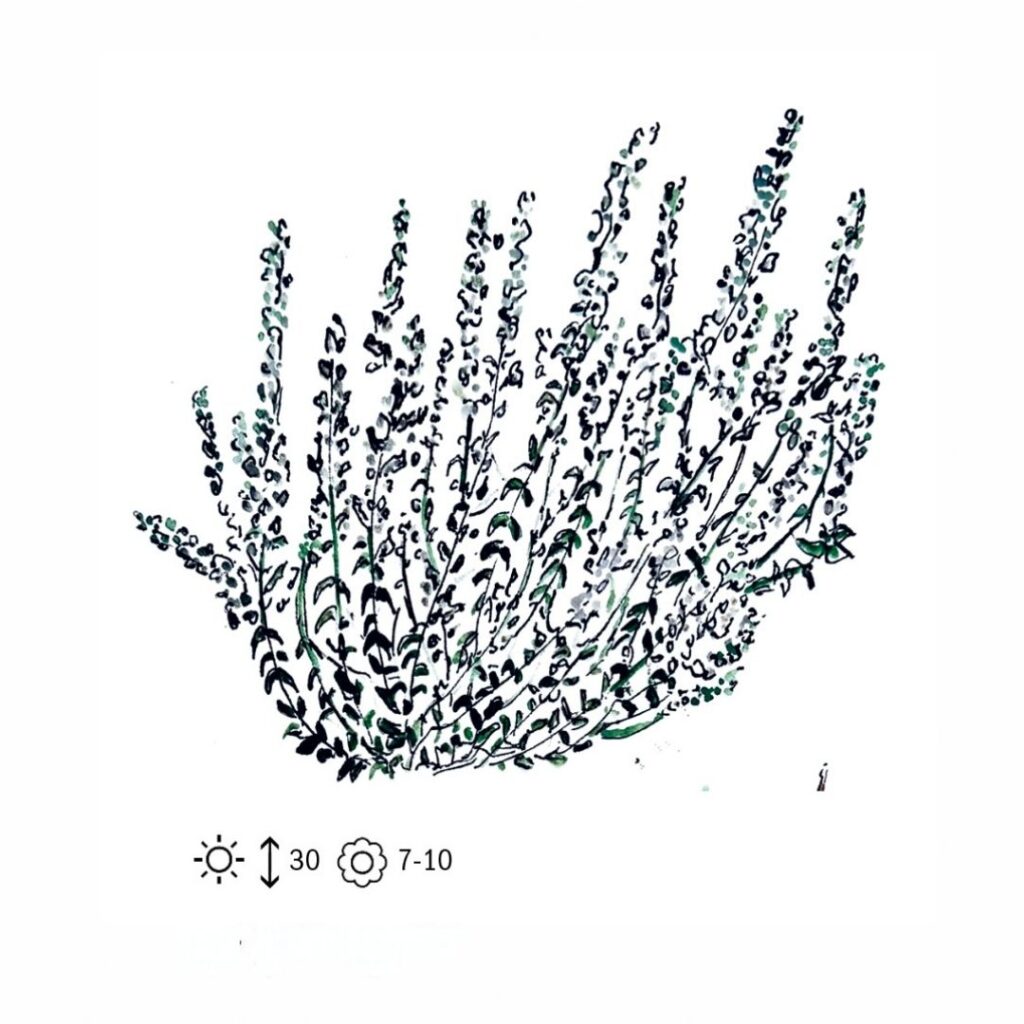
This plant was a hit when Piet Oudolf introduced it during the Dutch Floriade of 1992. Closely related to thyme and mint, the plant releases a fragrance which is similar to that of peppermint. A low plant that does well in a sunny spot, the Calamintha Nepeta is armed with blue green leaves and endlessly flowering clouds of pale, blue-lipped flowers which turn lavender in the autumn. Inviting to the touch, the plant will also satisfy your taste as the dried leaves (collected in July) make for a pleasant infusion that calms the stomach.
7. ECHINACEA
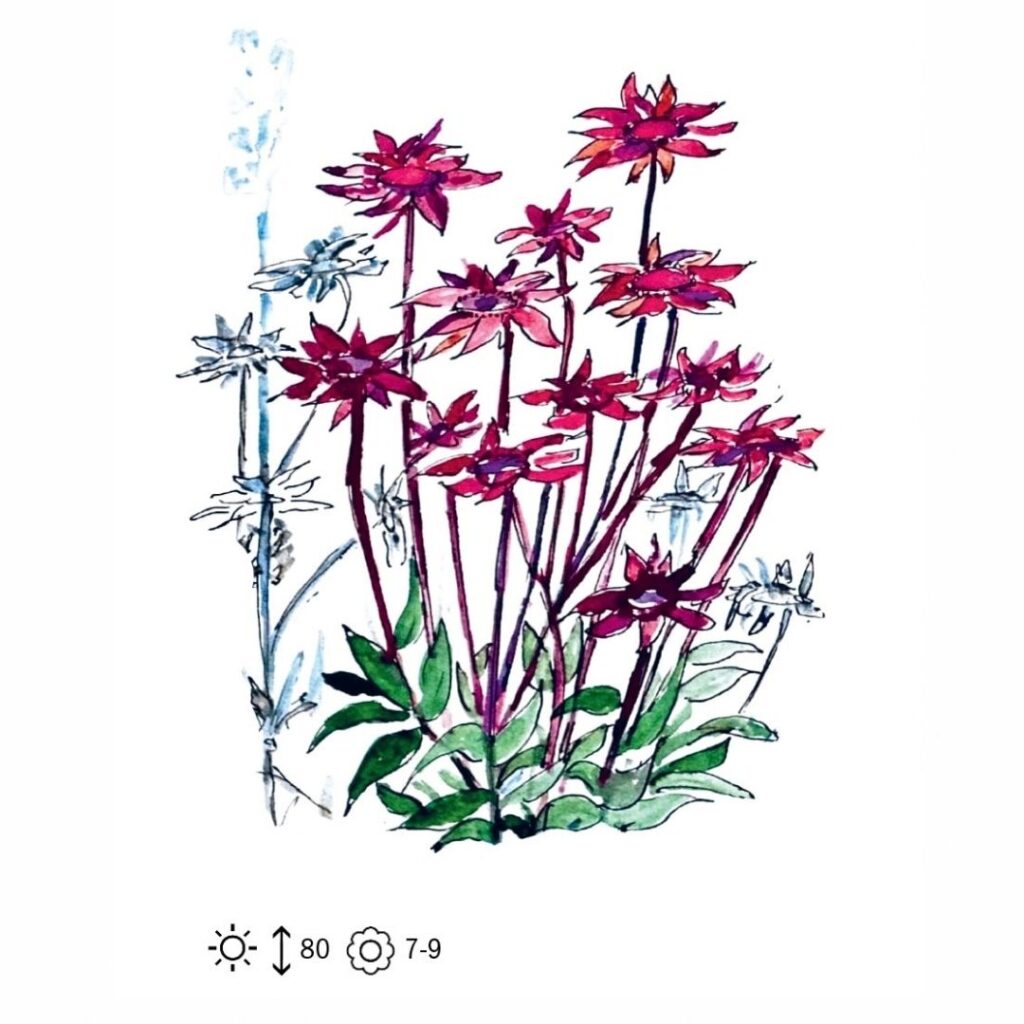
7. ECHINACEA
A classic on the North American prairie and known for its unusual cone-shaped middle, the hot pink ‘Fatal Attraction’ Echinacea is more compact than most of her sisters. The plant has an outspoken presence with dark stems and bright flowers, which will draw a striking contrast as well as many pollinators to your garden. In the winter, the petals fall back to create a silhouette similar to that of a badminton shuttlecock. Also known for its medicinal properties, Echinacea has been used by Native Americans for centuries to treat various ailments and strengthen the immune system.
8. GEUM RIVALE
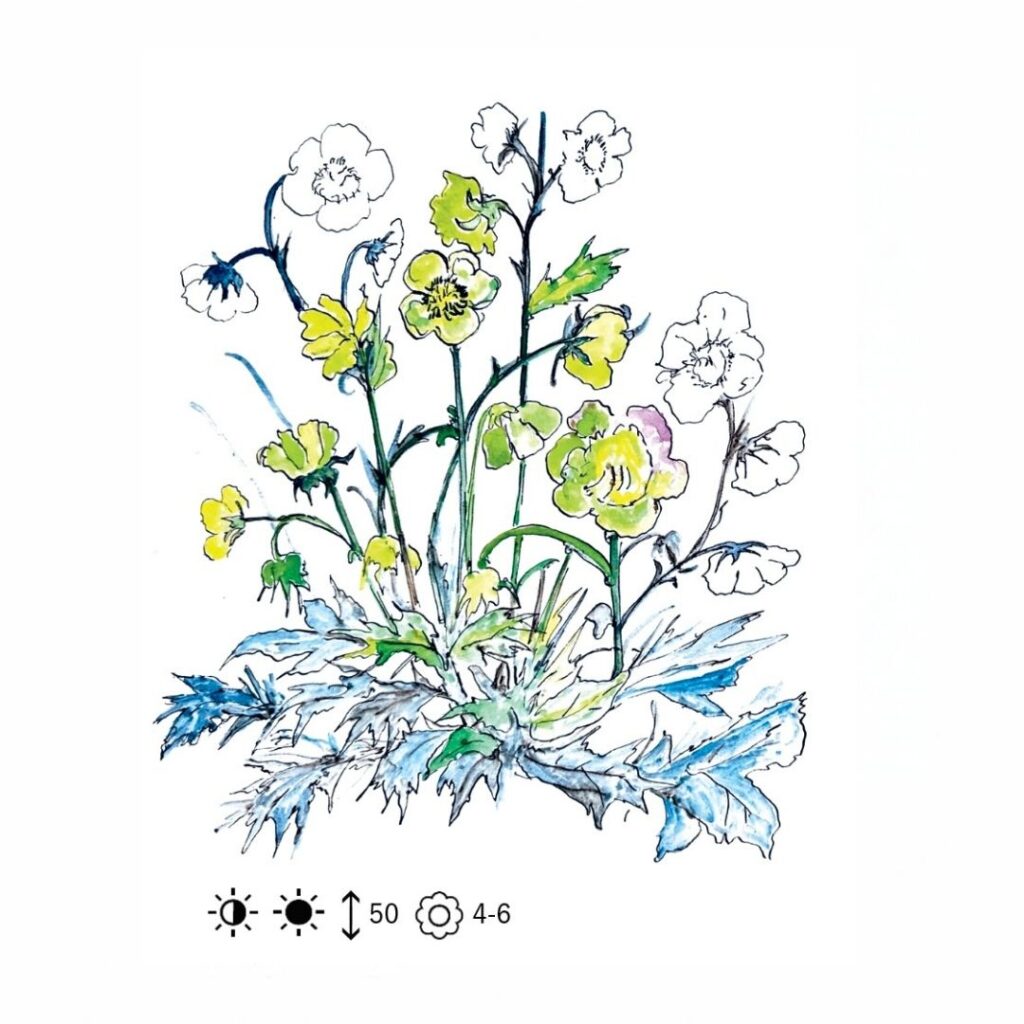
An early bloomer which will welcome spring into your garden with shy lemon-yellow flowers. A blessing for the premature bumblebees and a host plant for butterflies. Peering out of the fresh green foliage, its drooping flowers will shine a light on your early planting. The ‘Tales of Hex’ was originally found in the long gone primaeval European forests. Although the plant in the wild prefers to grow in close proximity to streams and springs, it is an exceptionally easy garden plant. With a bit of luck, it can flower for a second time in autumn.
9. LYTHRUM VIRGATUM
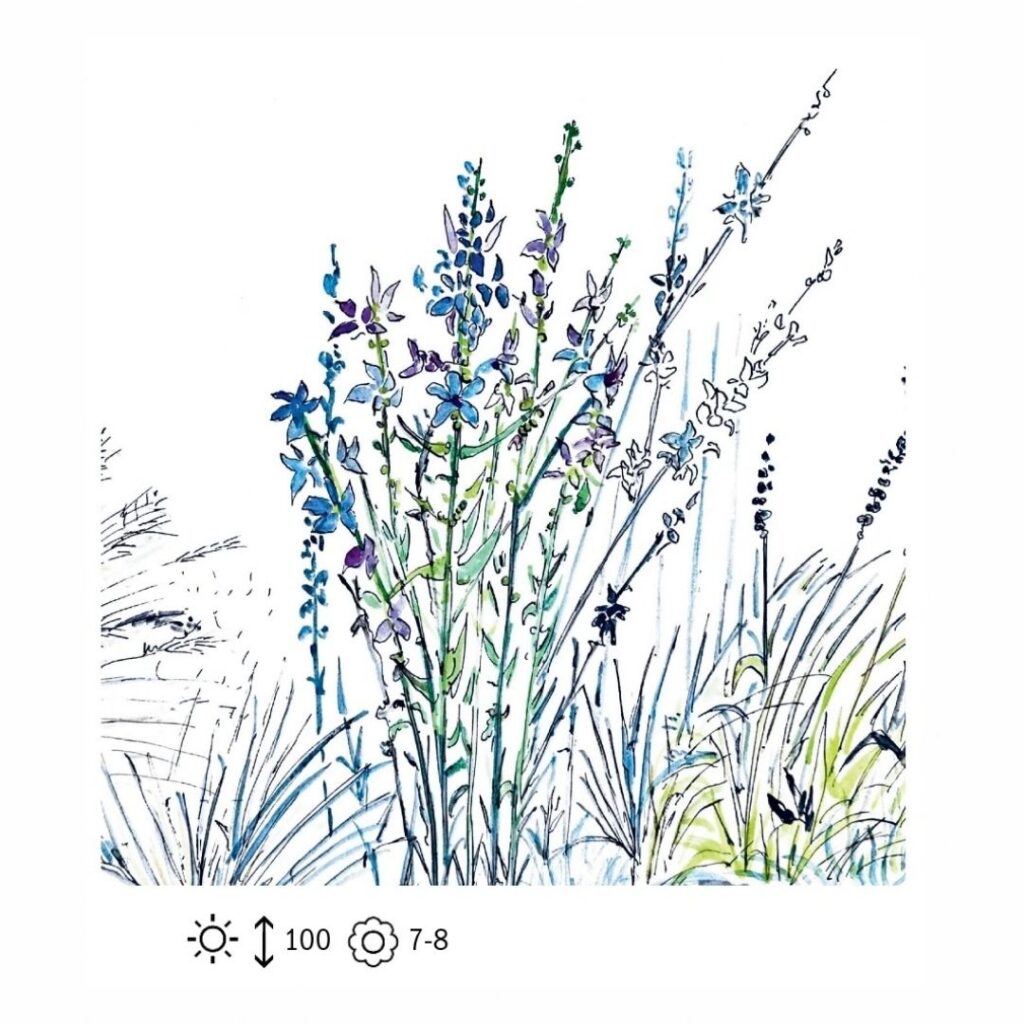
9. LYTHRUM VIRGATUM
Straight from Piet Oudolf’s own gardens in Hummelo, this Lythrum Virgatum is one of two new introductions: ‘Happiness’ and ‘Joy’. A worthwhile addition to any garden for their long flowering season and bold colours. Typically a wetland plant, Lythrum will thrive in any kind of garden soil. On occasion considered an invasive species, the Lythrum has been historically believed to be so powerful that it would be used by the Romans to bring harmony to combative draft oxen.Should you wish to implement Lythrum into a garden in the United States you might want to opt for Lythrum alatum which is native to North America. This is the species used in Oudolf’s design for the Lurie Gardens in Chicago.
10. POLEMONIUM
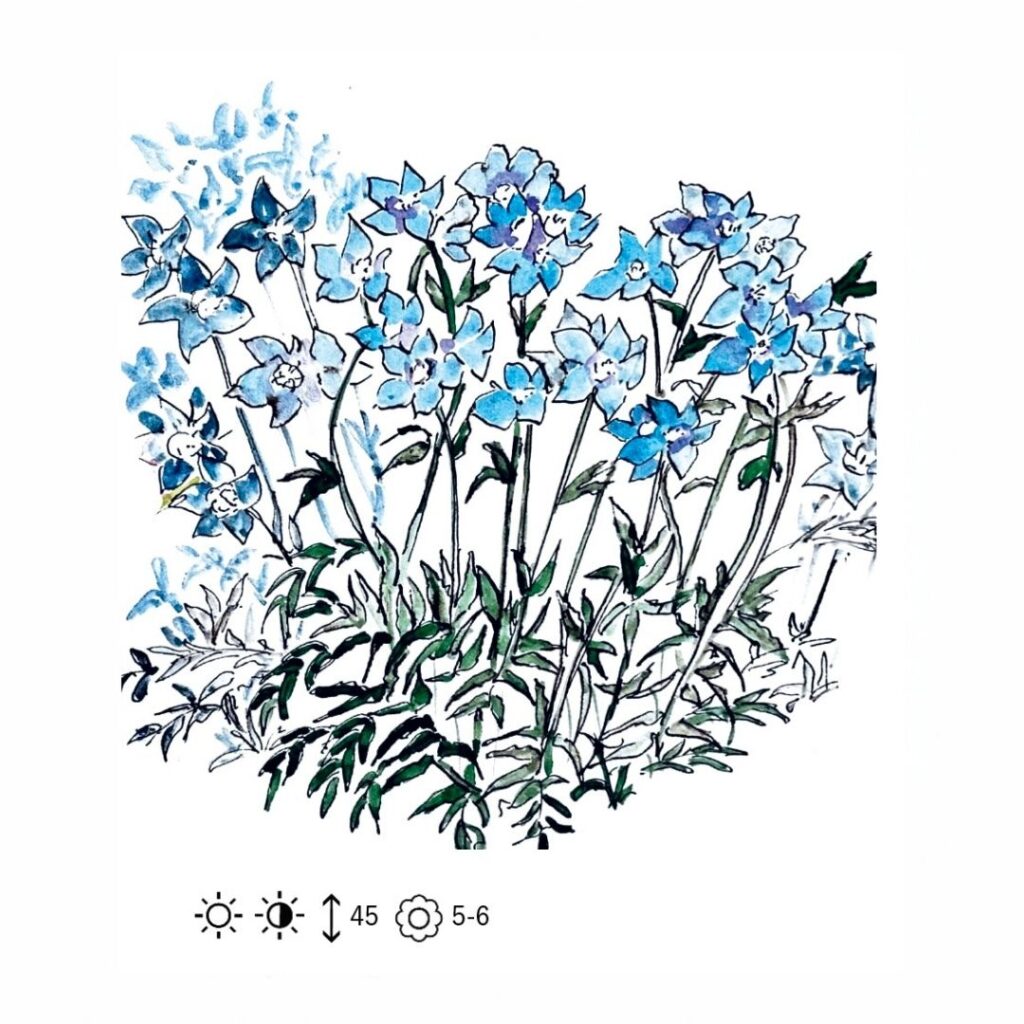
Belonging to the phlox family, Jacob’s ladders receive their name from the little fern-like leaflets that rise along the stems resembling the ladder in the Biblical allegory of Jacob’s dream. From the Polemonium “Heaven Scent’ emerges a dark purple foliage in spring and soon after blue-purple flowers begin to form. The flowers have a strong grape scent and are a favourite amongst wild bees that refresh themselves in its nectar after a long winter. Cats are also known to be attracted to the younger plants and may chew on some of the leaves but these are fortunately not harmful to cats or dogs.
11. SALVIA PRATENSIS
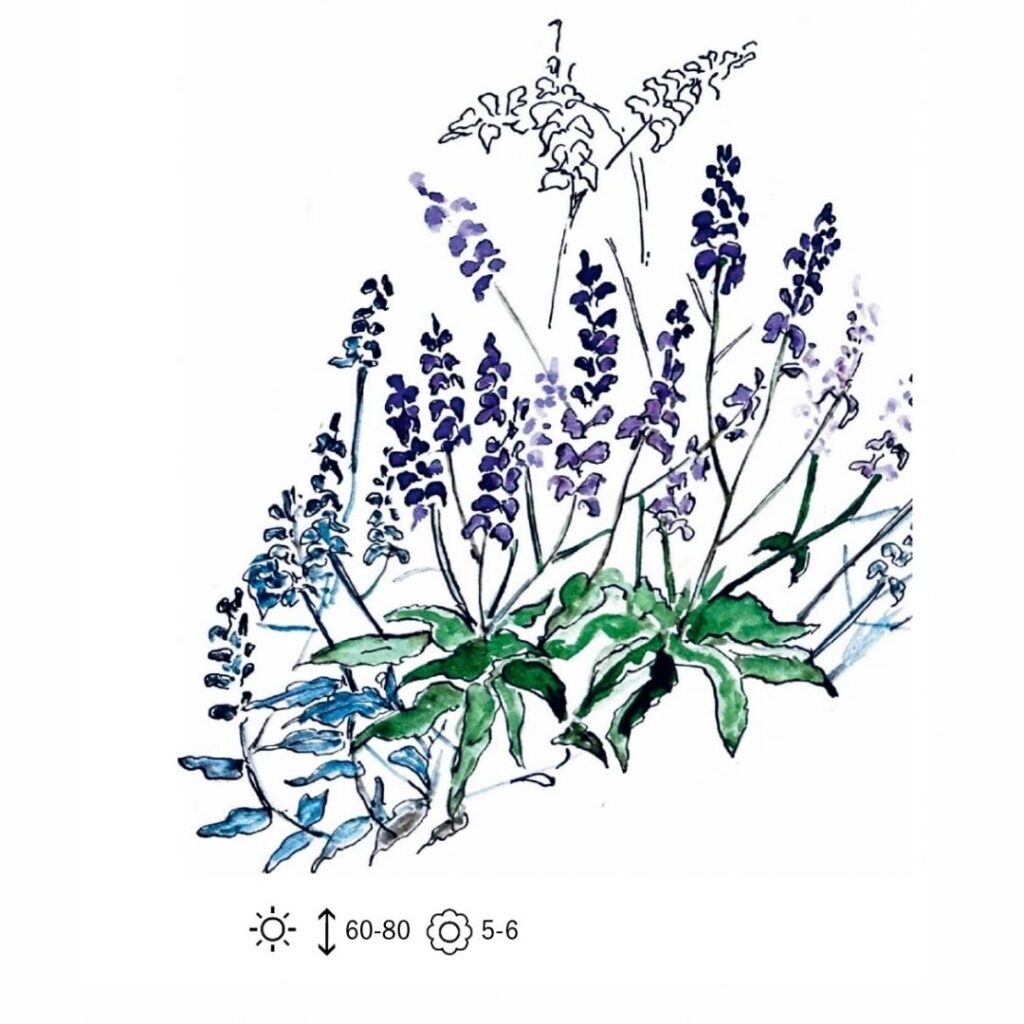
11. SALVIA PRATENSIS
The Salvia pratensis ‘Rhapsody in Blue distinguishes itself from other species of sage through the unusual arched upper lip of its flowers. This genus, selected by Oudolf, has an exciting bohemian appearance and a sharp and spicy scent. It is representative of Oudolf’s plant selection practice: It isn’t about the biggest and most flower bearing plant but about the aesthetics of the whole. The stature, expression and character of a plant. If you live in the Americas, try your luck with this plant and you might just hear a hummingbird hum.
12. SANGUIRSORBA
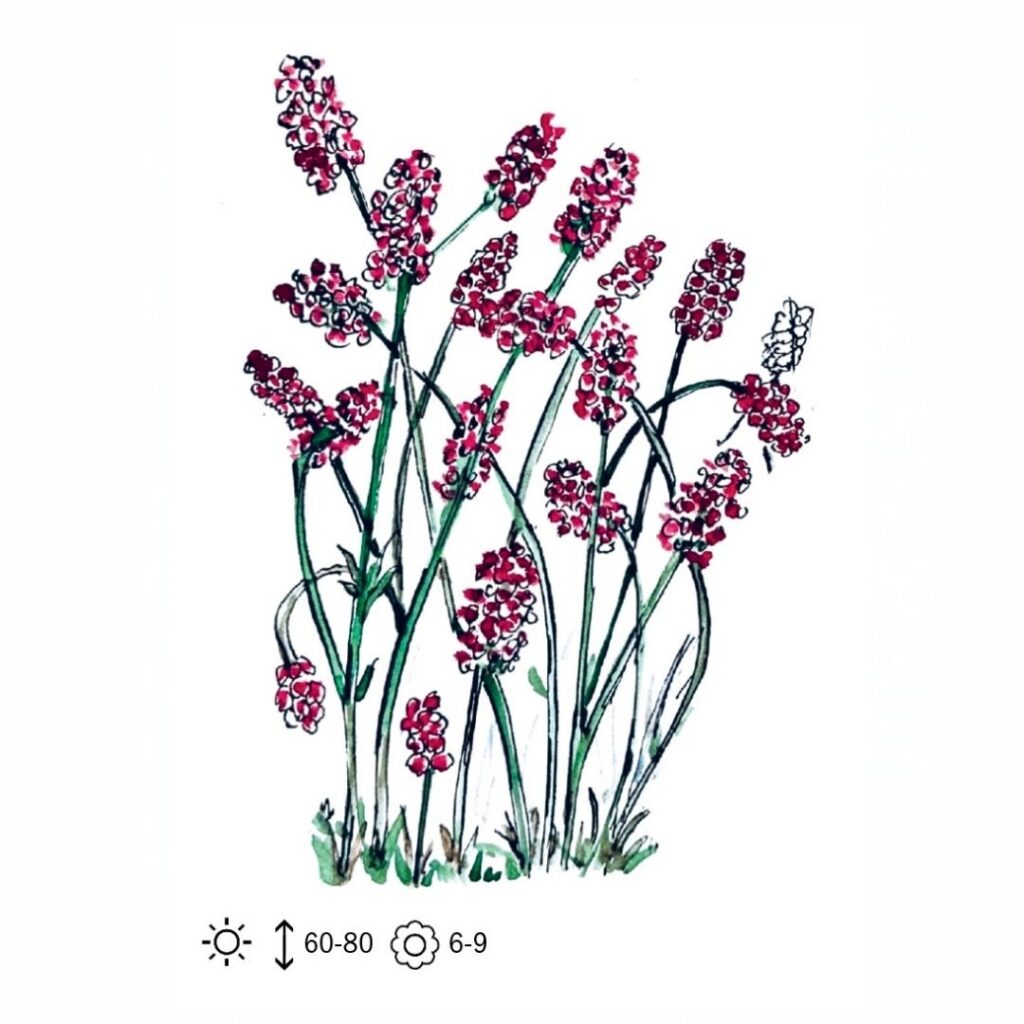
This plant is native to the Netherlands. Pepper your planting schemes with a maze of the sanguine blooms. Give this one a spot in a sunny spot and they will wave at you whenever the air moves through them. For your design, the specific shape of the Sanguisorba is the most important element – it is unique and irreplaceable. Oudolf: ‘Colour is in the back of my head not on my tongue – I don’t speak colour. I look at the form of a flower and how it will last.’
13. SCHIZACHYRIUM SCOPARIUM
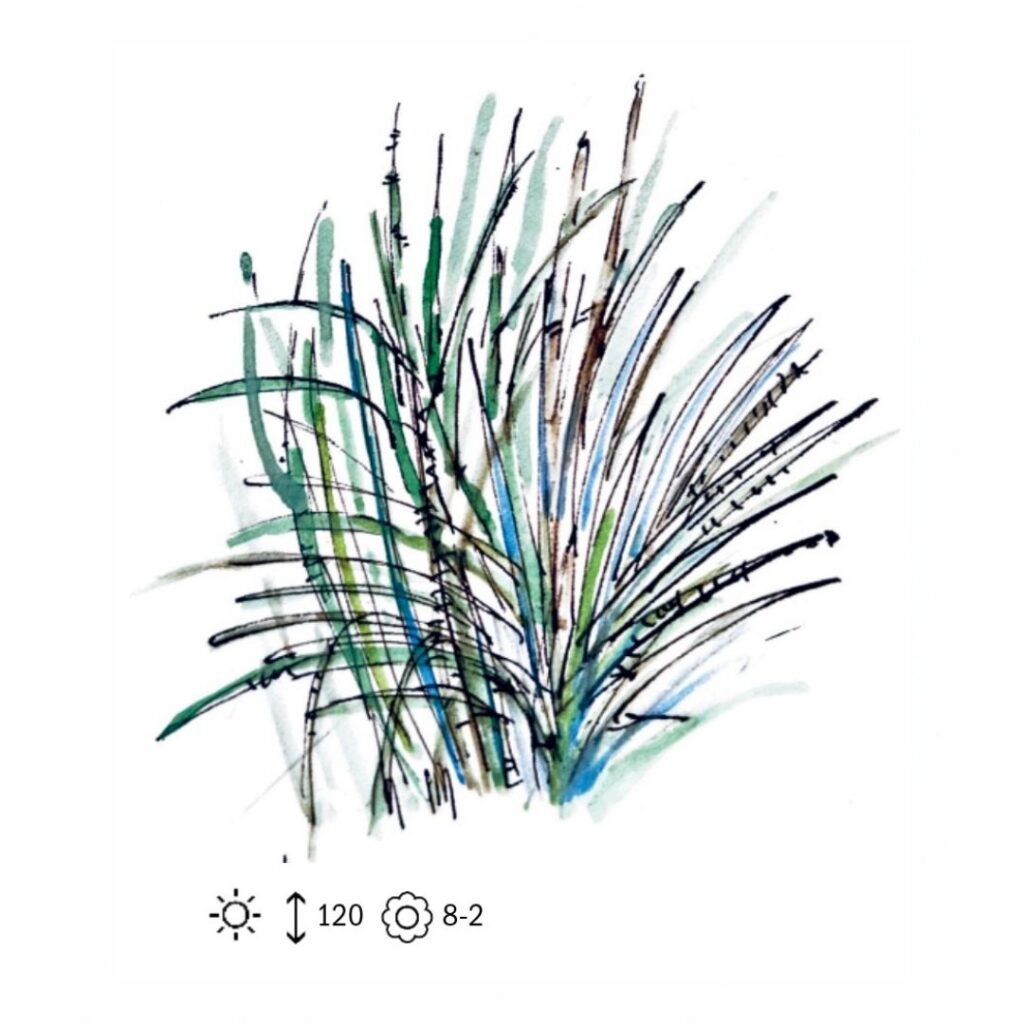
13. SCHIZACHYRIUM SCOPARIUM
Director of Hermannshof and good friend to Piet Oudolf, Cassian Schmidt, named this decorative grass species after a state park in Missouri where he discovered this variety. Dense, fine hairs on the leaves softly catch the light and create a unique halo effect which catches the light in a way no other grass does: especially when the morning dew collects on the leaves. Ha Ha Tonka has a neat, rigid and upright growing habit with foliage that is blue-green with streaks of red and grey, turning bronze in autumn.
14. SESLERIA AUTUMNALIS
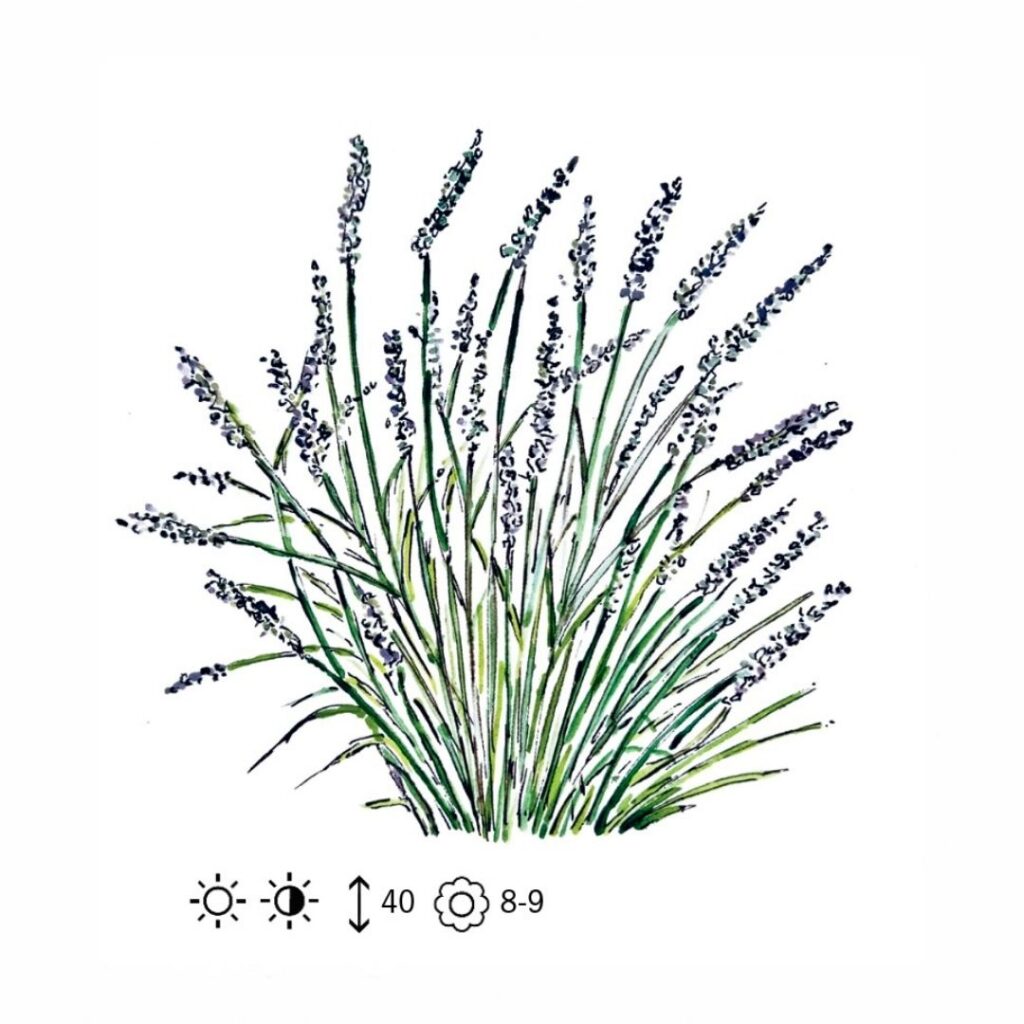
Often used by Oudolf to create the scaffolding for a ground matrix in the garden design. She appears early in spring and forms clumps of bright green, almost transparent foliage that remains fresh-looking. This shade grass begins to produce silver-white narrow spikes in late summer and early fall that later turn brown. The Sesleria autumnalis also creates comfortable hiding places for insects.
15. SPOROBOLUS HETEROLEPIS
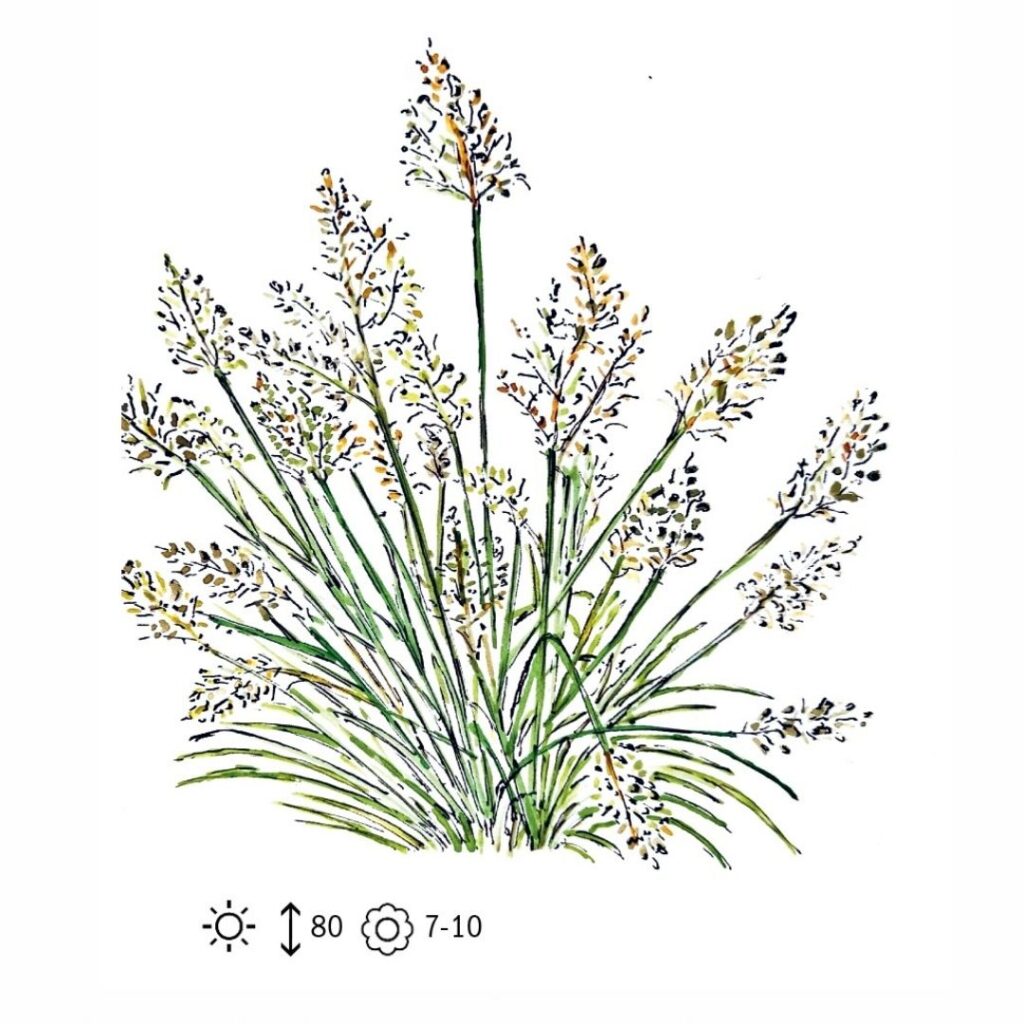
15. SPOROBOLUS HETEROLEPIS
This one really gives of the prairie vibe; it’s one of Piet oudolf’s favorites. Forms elegant tussocks and lax plumes filled with tiny pearls, which give off a sweet smell on warm days. Like sweet, buttered popcorn. Can be slow to establish but potentially very long-lived. In autumn the dreamy clouds turn into a spectacular orange. It is these grasses over which the protagonists in The Little House on the Prairie would trip as they ran.
16. STACHYS
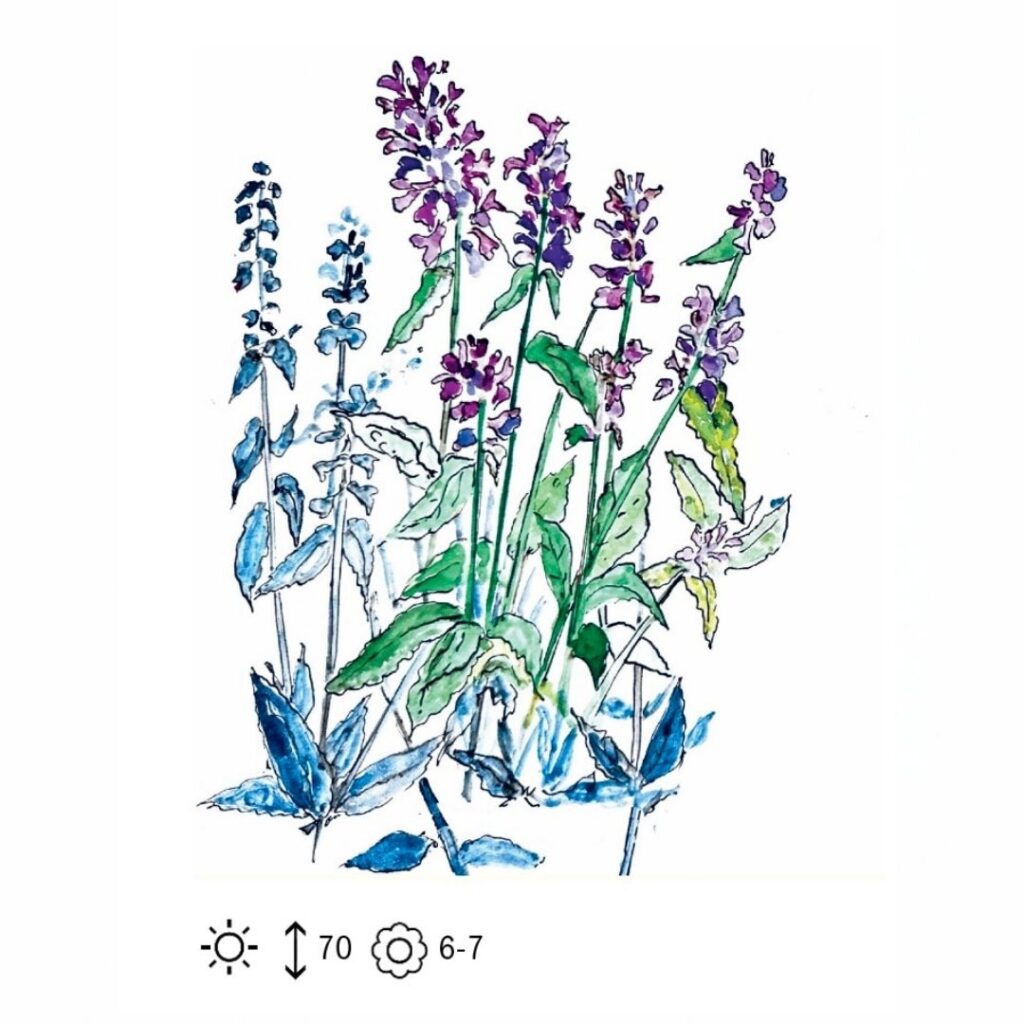
A plant which caught Oudolf’s eye on a visit to Ernst Pagel’s nursery. The distinctive features of this plant are their long egg-shaped, ribbed leaves and orchid-like inflorescence in deep purple-red shades. Combined with a freshly blooming Calaminthe or peering through the blades of Sporobolus, truly beautiful combinations are created.
Read more about the plant guide in See All This #30 (p. 88) and find out how to take care of them.
Recent stories
-
![Tatiana Trouvé | foto: Hélène Pambrun & Thomas Merle, met dank aan de kunstenaar]()
Tatiana Trouvé at Xavier Hufkens: Look Closer no. 2
-
![]()
Kent Guide: From Margate to Manor
-
![Alberto Giacometti, Hour of the Traces, 1932, gips, hout en staal, 69 x 36 x 29 cm]()
That One Moment: Chronos and Kairos
-
![]()
A harmonic universum: A one-of-a-kind pocket watch
-
![]()
William Kentridge: Look Closer no. 1
-
![Marisol Foto: Nancy Astor]()
Between Glamour and Rebellion: Marisol at Depot Boijmans
-
![Helen Frankenthaler met April Mood in haar studio op East 83rd Street in New York, 1974 | © 2026 Helen Frankenthaler Foundation, Inc./ProLitteris, Zurich | foto: Alexander Liberman © J. Paul Getty Trust]()
Helen Frankenthaler & Donald Judd at Kunsthal KAdE: Radical and rigorous
-
![Zeeplokaal]()
Li’s Forecast #11: In praise of soap
-
![Piet Oudolf garden at Noma, Copenhagen]()
Piet Oudolf’s 16 favourite plants: Create your own Oudolf garden
-
![William Kentridge, Waiting for the Sibyl]()
BREAKING #338: She has all the answers
-
![Nicole Ex (rechts) en Sarah Knigge (links) ergens tussen spiegelbeeld, stippen en oneindigheid in Yayoi Kusama’s nieuwe Infinity Mirror Room in het Stedelijk Museum Amsterdam, 9 september 2026]()
BREAKING #337: Yayoi Kusama
-
![]()
BREAKING #336: Body language
-
![Getty Research Institute, Los Angeles, schenking van de Roy Lichtenstein Foundation ter nagedachtenis aan Harry Shunk en Janos Kender | Foto: Shunk-Kender © J. Paul Getty Trust]()
Endlessly innovative: Yayoi Kusama in Amsterdam
-
![Marisol Escobar met haar sculptuur The Kennedyʼs, 1964 | © foto: Sam Falk]()
In the Kitchen with Marisol Escobar: ‘I decided never to talk again’
-
![]()
BREAKING #334: The Orchard Project, Part II
-
![Wolfgang Tillmans, Inner City Apple Tree, 2004]()
BREAKING #333: An orchard for the future
-
![]()
Which room did you fall in love with?: Send us your all-time favourite cinematic room
-
![]()
BREAKING #332: In love with a room
-
![De studio van Carlo Maria Morsiani, Modena, juli 2026 | foto: Nicole Ex]()
BREAKING #331: The shape of clouds
-
![Shopwork magazine issue 01]()
Treasure Hunt #5: Make your own designer clothes