Water Guide
10 stories exploring (bodies of) water
Water shapes both landscape and life, but it is never only out there. It moves through us as much as around us, binding bodies, ecosystems and histories in one continuous cycle. These ten books, poems, artworks and recordings trace water as force, memory and medium – from oceans and glaciers to rain, rivers and the body itself.
BOOK | The Waves, 1931
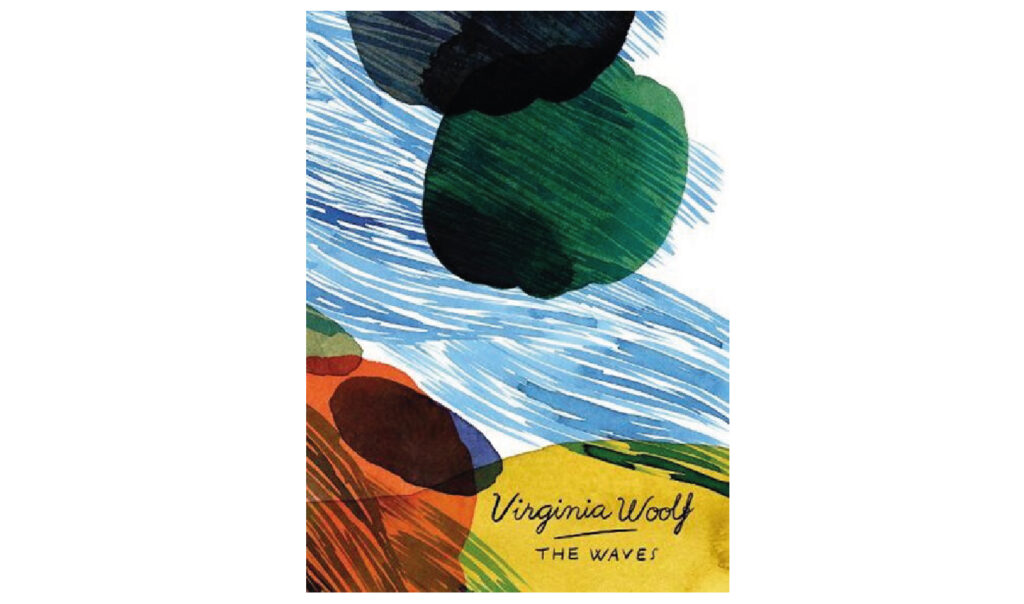
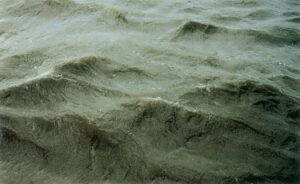
‘Rippling small, rippling grey, innumerable waves spread beneath us. I touch nothing. I see nothing. We may sink and settle on the waves. The sea will drum in my ears. The white petals will be darkened with sea water. They will float for a moment and then sink. Rolling me over the waves will shoulder me under. Everything falls in a tremendous shower, dissolving me.’
Set on the coast of England against the vivid background of the sea, The Waves introduces six characters grappling with the death of a beloved friend, Percival. Instead of describing their outward expressions of grief, Virginia Woolf, who revolutionized literary interiority by abandoning linear plots to capture the unfiltered flow of human consciousness, draws her characters from the inside, revealing them through their thoughts and interior soliloquies. As their understanding of nature’s trials grows, the chorus of narrative voices blends together in miraculous harmony, remarking not only on the inevitable death of individuals but on the eternal connection of everyone.
POETRY | The House on Marshland, 1975
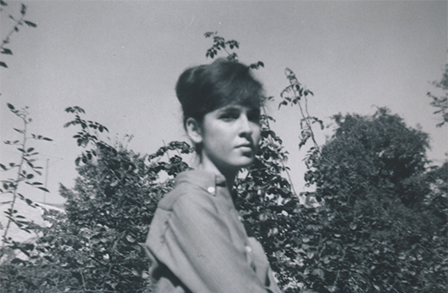
POETRY | The House on Marshland, 1975
Only the sea moves.
It takes on color, onyx and manganese.
If you are there it will release you
as when, among the tame waves,
I saw your worn face,
your long arms making for shore—
The waves come forward,
we are traveling together.
SOUND | Ice Records, 2022
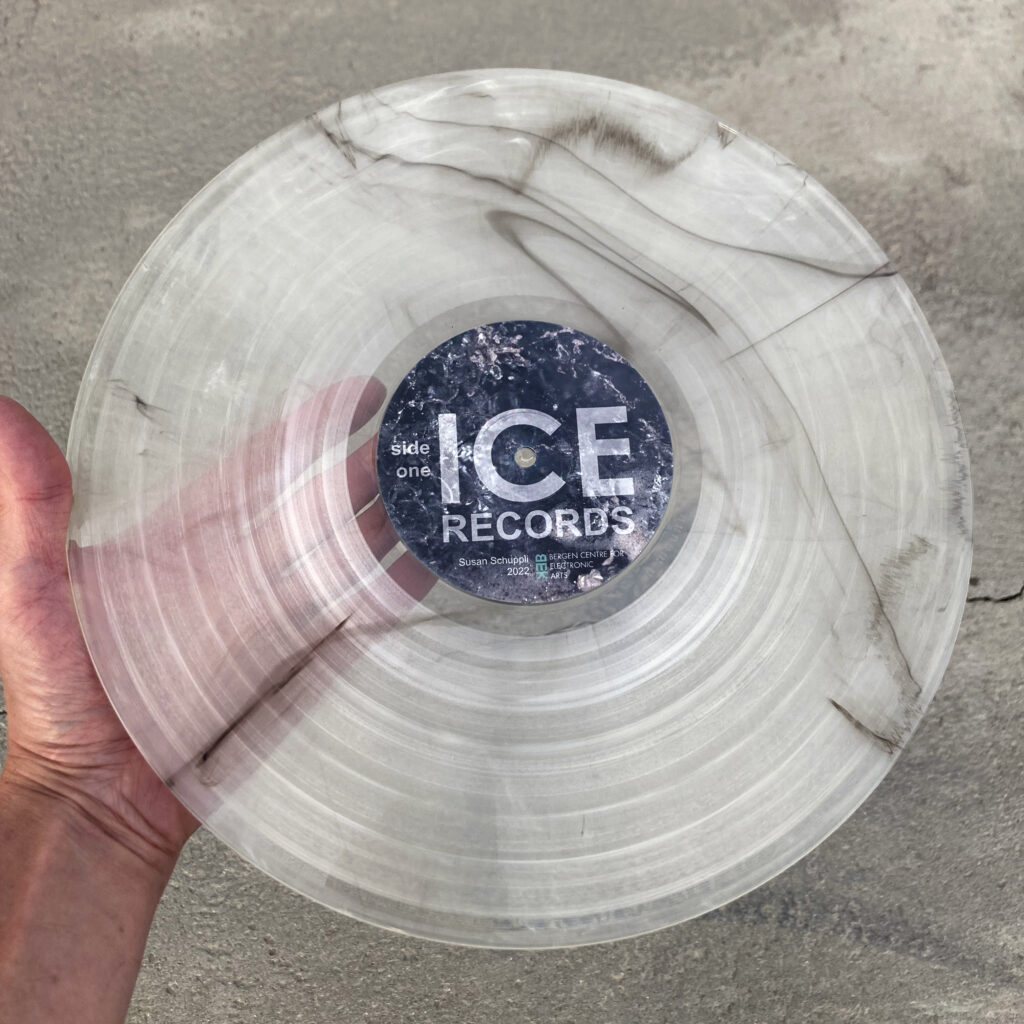
As glaciers melt and ice sheets retreat, the Earth’s climate history is vanishing with them. Ancient air bubbles, long held in ice, are being released, while the atmospheric archive preserved in glaciers offers unequivocal evidence of rising greenhouse gas emissions and global warming. In the Himalayas, meanwhile, water scarcity is forcing mountain communities to leave, and with them disappear local practices of care and knowledge around glaciers. This vinyl pressing gathers material from encounters with scientists, ecologists, activists, communities and folksingers. From field recordings made at glacial sites in Canada, Svalbard, Norway and India to a Ladakhi folksong about mountains, rivers and streams, these tracks draw listeners into the sonic worlds of ice.
POETRY | The Poet Compares Human Nature to the Ocean From Which We Came, 2012
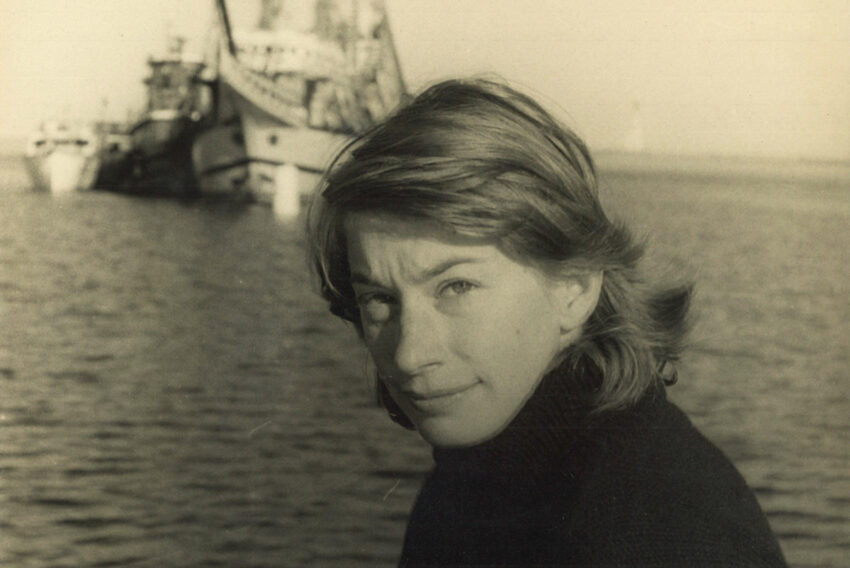
POETRY | The Poet Compares Human Nature to the Ocean From Which We Came, 2012
The sea can do craziness, it can do smooth,
it can lie down like silk breathing
or toss havoc shoreward; it can give
gifts or withhold all; it can rise, ebb, froth
like an incoming frenzy of fountains, or it can
sweet-talk entirely. As I can too,
and so, no doubt, can you, and you.
PHOTOGRAPHY | Water Stories, 2015
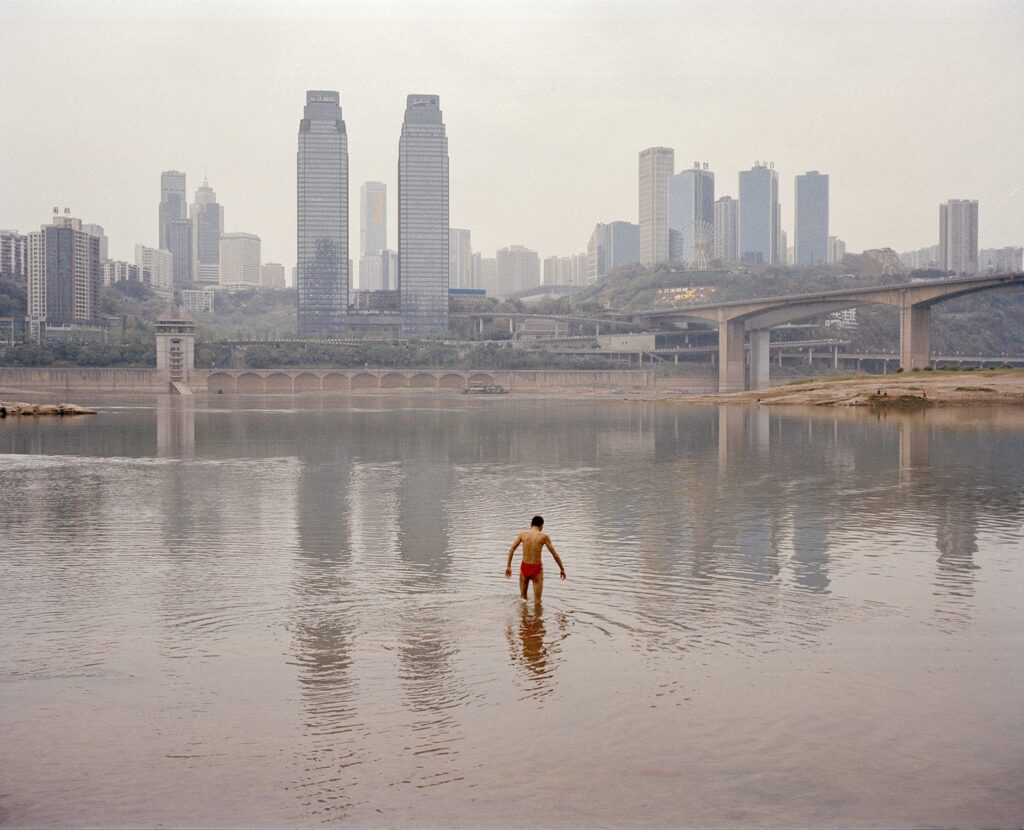
Berlin-based photographer Mustafah Abdulaziz has spent the past five years tracing the world’s relationship to water. Returning to his Brooklyn roots, his work was recently presented as a luminous series of lightboxes in Brooklyn Bridge Park, beside New York’s East River, as part of the annual photography festival Photoville. A collaboration with Earthwatch, WaterAid, WWF and HSBC’s global water programme, Water Stories forms part of Abdulaziz’s wider long-term project on water, illuminating the human and environmental impact of the planet’s most precious resource.
POETRY | Praise the rain, 2015
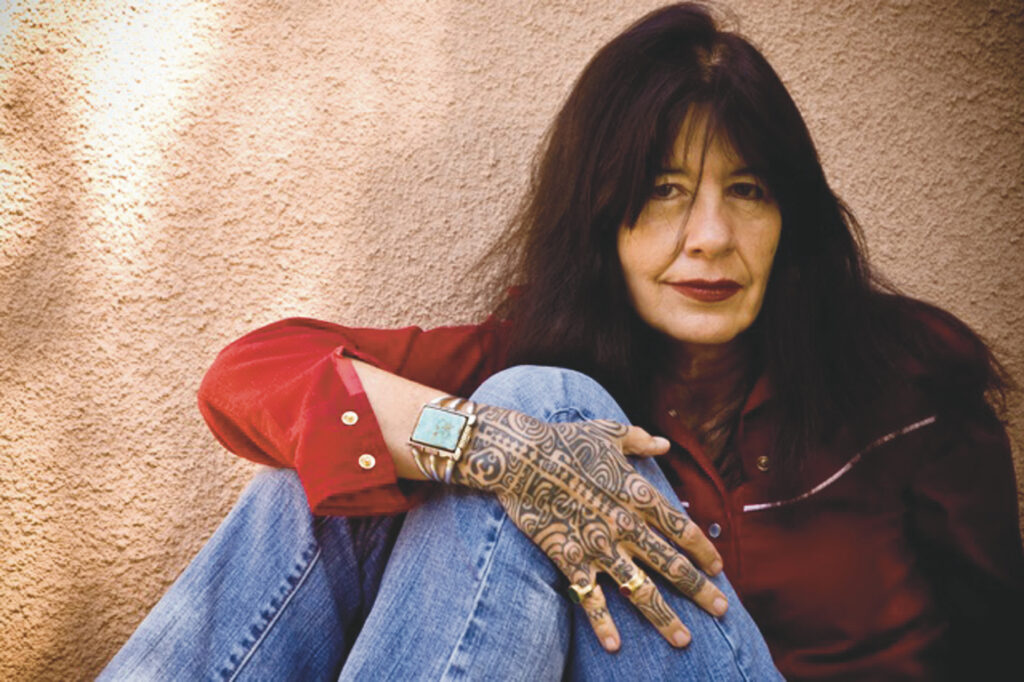
POETRY | Praise the rain, 2015
Praise the rain; the seagull dive
The curl of plant, the raven talk—
Praise the hurt, the house slack
The stand of trees, the dignity—
Praise the dark, the moon cradle
The sky fall, the bear sleep—
Praise the mist, the warrior name
The earth eclipse, the fired leap—
Praise the backwards, upward sky
The baby cry, the spirit food—
Praise canoe, the fish rush
The hole for frog, the upside-down—
Praise the day, the cloud cup
The mind flat, forget it all—
Praise crazy. Praise sad.
Praise the path on which we’re led.
Praise the roads on earth and water.
Praise the eater and the eaten.
Praise beginnings; praise the end.
Praise the song and praise the singer.
Praise the rain; it brings more rain.
Praise the rain; it brings more rain.
LAND ART | Broken Circle/Spiral Hill, 1971
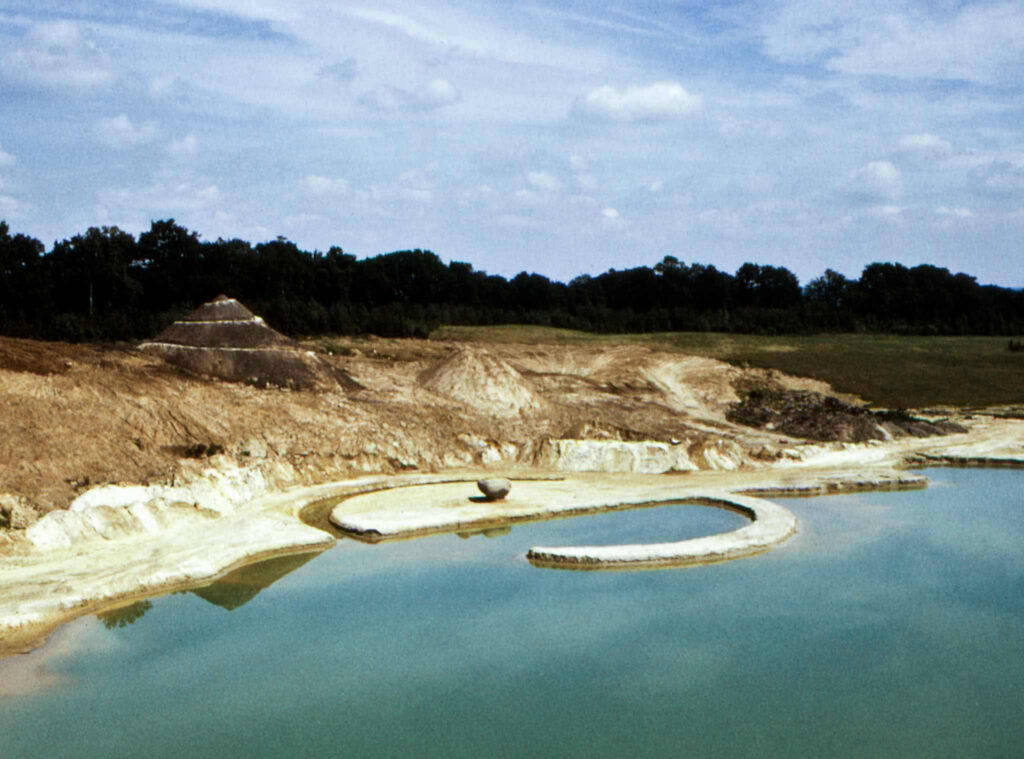
Drawn to the Netherlands’ geological past and engineered landscapes, Smithson embraced this post-industrial site, creating a 43-metre-wide circular jetty enclosing a canal, alongside a 23-metre-wide spiral mound of sand, soil and topsoil. He conceived the water-bound form as centrifugal and the ascending spiral as centripetal — a duality that echoed the complexity of the surrounding terrain.
A glacial boulder at the centre of the circle became an unintended focal point, which Smithson described as an ‘accidental centre’, charged with unease and ancient memory. Inspired by prehistoric dolmens and the flood of 1953, the work also marked his first reclamation project, transforming scarred land into enduring art.
POETRY | flush, 2015
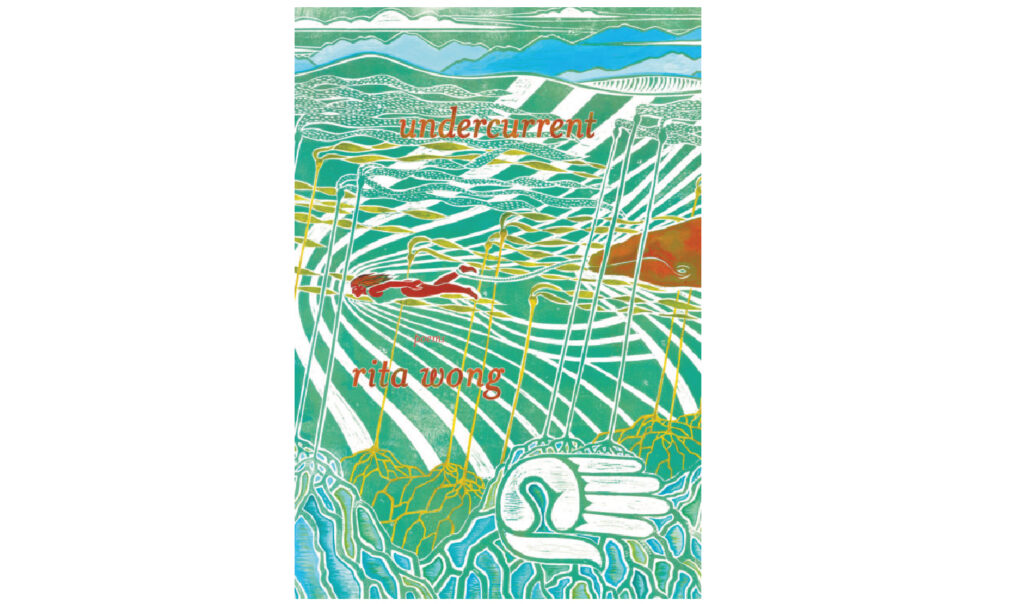
POETRY | flush, 2015
awaken to the gently unstoppable rush of rain landing on roofs, pavement, trees, porches, cars, balconies, yards, windows, doors, pedestrians, bridges, beaches, mountains, the patter of millions of small drops making contact everywhere, enveloping the city in a sheen of wet life, multiple gifts from the clouds, pooled over centuries and channelled to power us, rain propels our water-based bodies that eat other water-based bodies, mineral vegetable animal. when i turn on the shower, i turn my face and shoulders toward post-chlorinated rain. the tap releases free rain to slake our thirst, transformed through pipes and reservoirs. anonymous agent of all that we, unwitting beneficiaries, do. refusing the inertia of amnesia, i welcome the memory of rain sliding into sink and teacup, throat and bladder, tub and toilet. bountiful abundant carrier of what everyone emits into the clouds, be that exhale or smoke, belch or chemical combustion, flame or fragrance, the rain gives it all back to us in spates, a familiar sound, an increasingly mysterious substance
SOUND | Luminescent Creatures, 2025
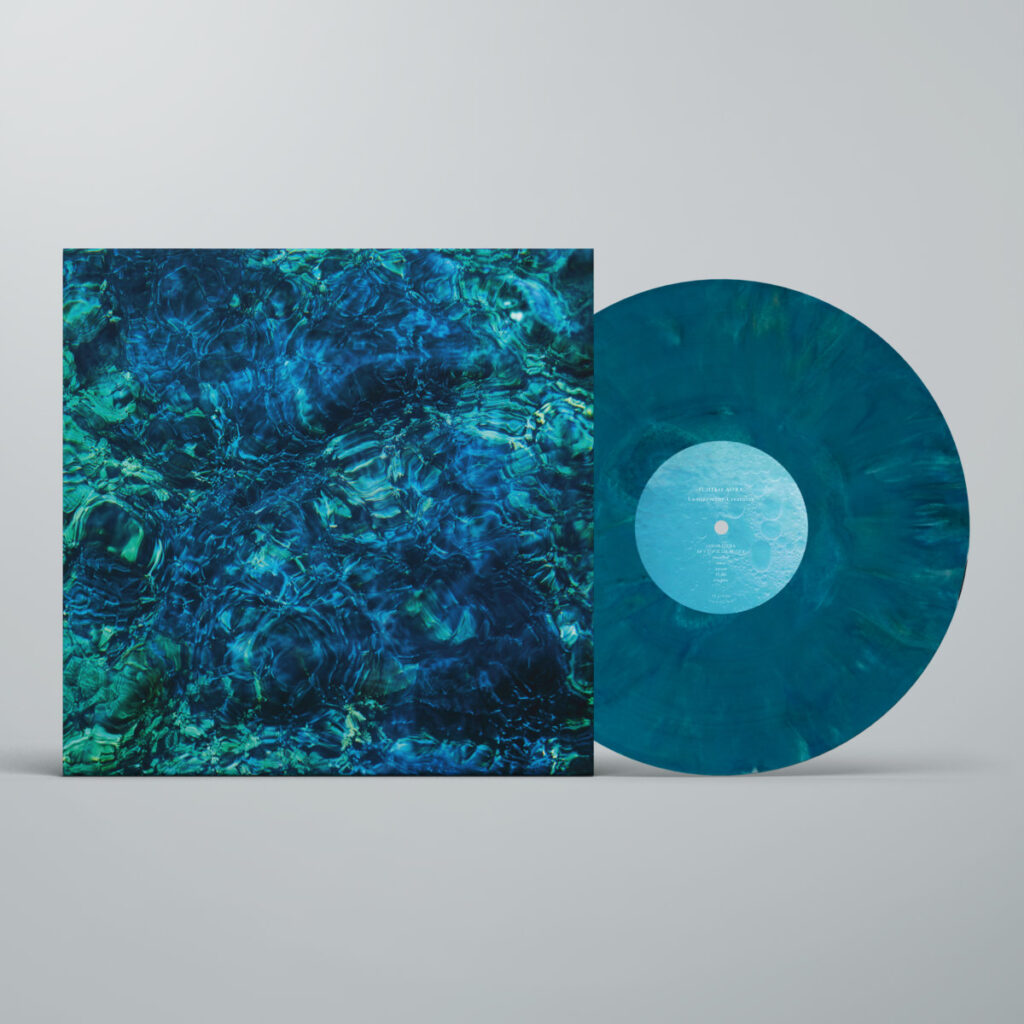
Inspired by the creatures Aoba Ichiko encountered while diving off a remote island, the Japanese singer-songwriter’s understated album explores liminal worlds through softly textured ambient folk. Luminescent Creatures grows out of her travels to remote islands, her time spent swimming with the tides, and her close attention to the effects of weather and climate change on coral reefs. Here, Aoba takes on the role of observer, listening closely to the world around her rather than inventing one from scratch. Since 2013, she has returned regularly to Hateruma Island, where she formed deep ties with the local community and was eventually taught an ancient song — a gift that speaks to the trust she had earned through attentive presence and immersion.
VIDEO | Vanuatu Women's Water Music, 2014
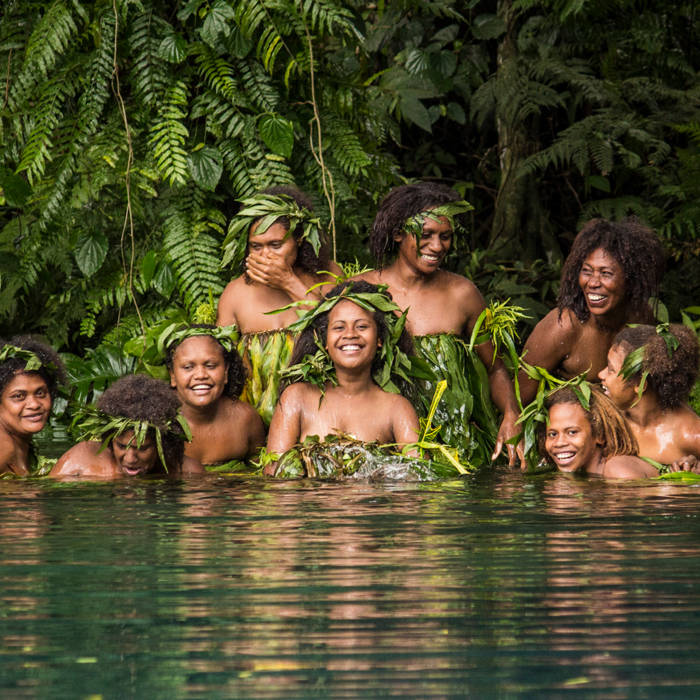
VIDEO | Vanuatu Women's Water Music, 2014
The performers of the Vanuatu Women’s Water Music group come from the remote northern islands of Vanuatu. They travel internationally with the Na Mag and Ne Lang dances, a prelude to their mesmerizing water music, dressed in traditional costumes from Gaua and Mere Lava made from flowers and leaves, coconuts and pandanus. Their performances reimagine older traditions through contemporary expressions of matto, bringing together rhythmic water percussion, ukulele-led melodies and soaring vocal harmonies. The water music of Vanuatu is as visually striking as it is sonically unforgettable.
Recent stories
-
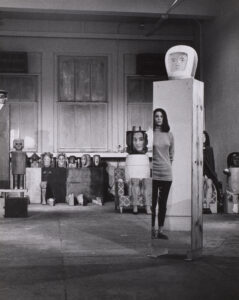
![Marisol Foto: Nancy Astor]()
Between Glamour and Rebellion: Marisol at Depot Boijmans
-
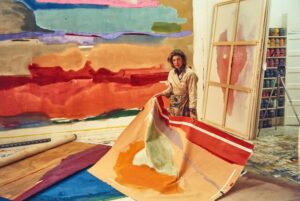
![Helen Frankenthaler met April Mood in haar studio op East 83rd Street in New York, 1974 | © 2026 Helen Frankenthaler Foundation, Inc./ProLitteris, Zurich | foto: Alexander Liberman © J. Paul Getty Trust]()
Helen Frankenthaler & Donald Judd at Kunsthal KAdE: Radical and rigorous
-
![Zeeplokaal]()
Li’s Forecast #11: In praise of soap
-
![Piet Oudolf garden at Noma, Copenhagen]()
Piet Oudolf’s 16 favourite plants: Create your own Oudolf garden
-
![William Kentridge, Waiting for the Sibyl]()
BREAKING #338: She has all the answers
-
![Nicole Ex (rechts) en Sarah Knigge (links) ergens tussen spiegelbeeld, stippen en oneindigheid in Yayoi Kusama’s nieuwe Infinity Mirror Room in het Stedelijk Museum Amsterdam, 9 september 2026]()
BREAKING #337: Yayoi Kusama
-
![]()
BREAKING #336: Body language
-
![Getty Research Institute, Los Angeles, schenking van de Roy Lichtenstein Foundation ter nagedachtenis aan Harry Shunk en Janos Kender | Foto: Shunk-Kender © J. Paul Getty Trust]()
Endlessly innovative: Yayoi Kusama in Amsterdam
-
![Marisol Escobar met haar sculptuur The Kennedyʼs, 1964 | © foto: Sam Falk]()
In the Kitchen with Marisol Escobar: ‘I decided never to talk again’
-
![]()
BREAKING #334: The Orchard Project, Part II
-
![Wolfgang Tillmans, Inner City Apple Tree, 2004]()
BREAKING #333: An orchard for the future
-
![]()
Which room did you fall in love with?: Send us your all-time favourite cinematic room
-
![]()
BREAKING #332: In love with a room
-
![De studio van Carlo Maria Morsiani, Modena, juli 2026 | foto: Nicole Ex]()
BREAKING #331: The shape of clouds
-
![Shopwork magazine issue 01]()
Treasure Hunt #5: Make your own designer clothes
-
![]()
The Body of Water: Endlessly circulating
-
![]()
1,2,3 under the apple tree: Make your own herman de vries
-
![]()
Li’s Forecast #10: The creative custodian
-
![]()
Water Guide: 10 stories exploring (bodies of) water
-
![]()
Cape Town & The Karoo: Travel Diary