Li’s Forecast #9
This is the plank you don’t want to miss
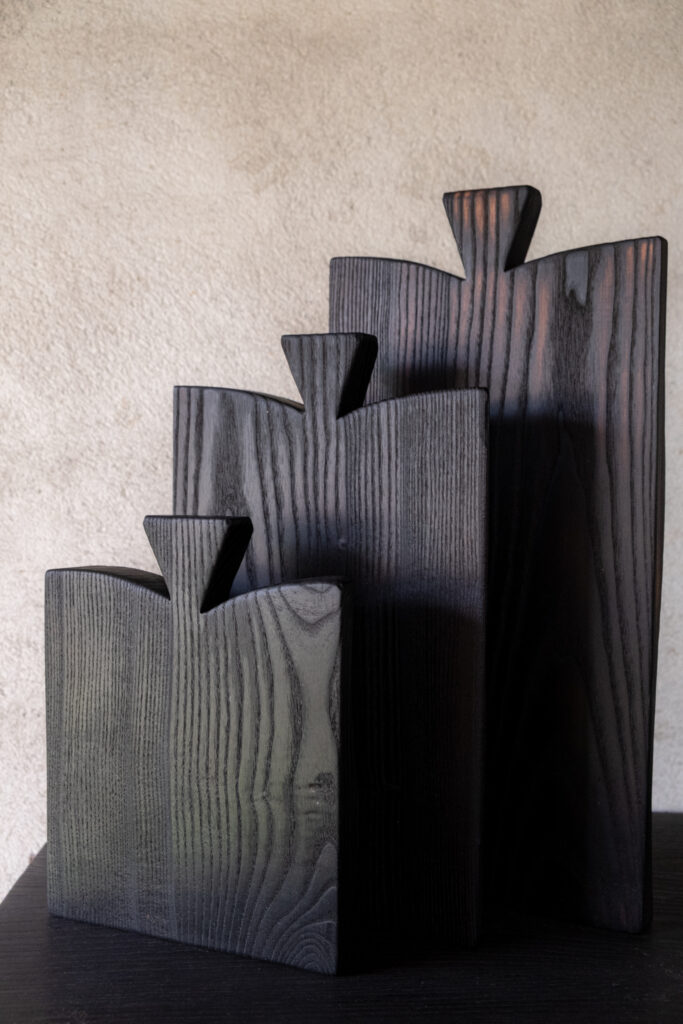
Few objects need as little design as this one. Plain and straightforward, the plank is simply a piece of wood that has been planed smooth, with rounded corners, and is used for cutting bread and vegetables. A larger size lends itself to serving cheese; two identical planks can serve as plates for two croissants. These days, I like using small planks instead of plates for lunch. There is something immediate about it, almost like a chain reaction: from slicing bread to filling bread to eating bread. It feels new.
Because of the attention the kitchen has received in recent years, planks like these are becoming more interesting. Antique examples are in vogue – once made by hand, irregular, with awkward handles, and sometimes still to be found in brocante shops. And yet they remain ordinary basic objects, so ordinary that we hardly ever think about them. Until, suddenly, we come across an unusual plank at Society Limonta, a unique textile shop, during the design fair in Milan.*
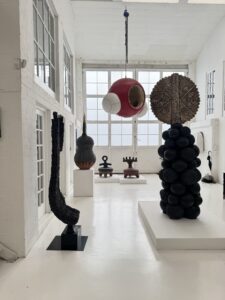
To take part in the Salone on a modest scale, the shop developed a concept for several special planks in collaboration with the original designer, architect Riccardo Monte, who in fact designs and chars furniture. These wooden planks, longer and sharply heraldic in shape, have a primitive character, especially because they are made from reclaimed wood or treated with fire to blacken them. Monte works, as he says, with ‘the authenticity of materials and the archaeology of texture’.
‘How a plank acquires a soul, I think then – how lovely that even something so small can become so exciting’
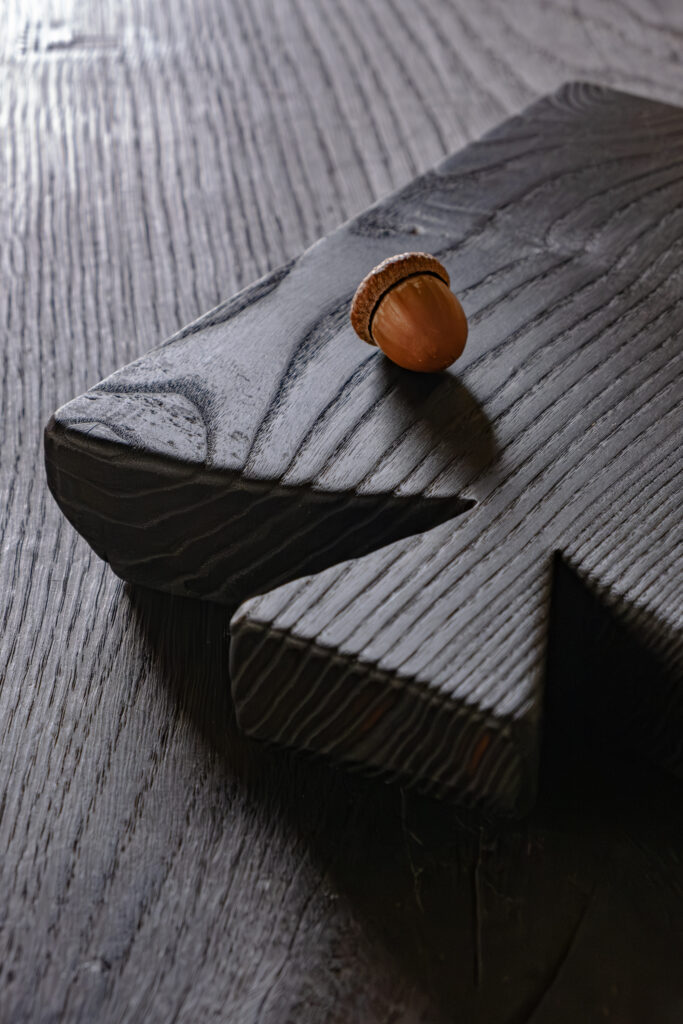
The effect is immediate and unavoidable: the ordinary plank sees the light and suddenly assumes a different position, now truly belonging to the kitchen. These planks take on a new role: for cracking nuts, arranging fruit, or composing a still life with red chicory and a pomegranate.
I myself bought an extra-long, extra-thin, almost witchy black specimen, and use it behind my black stove to display onions and garlic. As a bonus, there is a sweet, super-small plank which, because of its shape, still has character, and now serves as a coaster for my little Japanese teapot. How a plank acquires a soul, I think then – how lovely that even something so small can become so exciting.
The masterful planks, very large or very tiny, are part of Riccardo Monte’s Oltre collection for Society and are now available in our Art Room. They form part of an important body of work that comes into being in a rustic house-cum-studio in the Italian Alps, which Monte shares with photographer Katie May.
Like two truants, they left busy London behind to build an entirely different life and repertoire together: one in which he gives form to his craft, and she photographs it. How good that this greedy society can still bring forth people with such focus. There is hope.
*When I first discovered this shop years ago, I was completely taken by its use of colour. Only later did I realise that they were clients of my colour forecast, and that, in a way, I had stepped into my own palette – an enormous compliment!
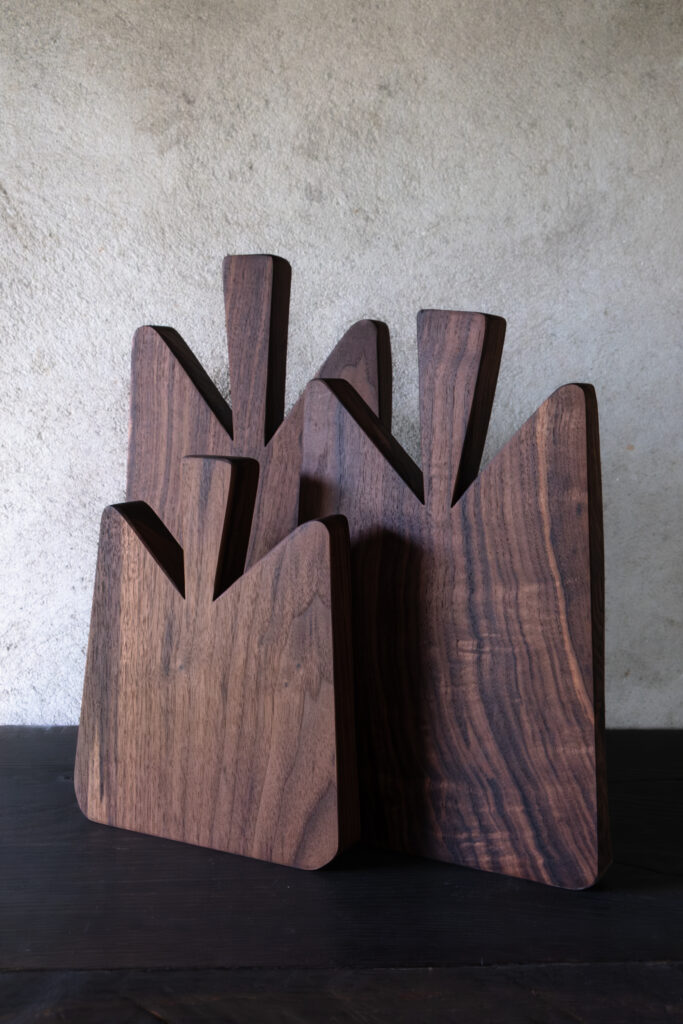
Discover a selection of Riccardo Monte’s planks in our new Art Room.
Recent stories
-
![Getty Research Institute, Los Angeles, schenking van de Roy Lichtenstein Foundation ter nagedachtenis aan Harry Shunk en Janos Kender | Foto: Shunk-Kender © J. Paul Getty Trust]()
Endlessly innovative: Yayoi Kusama in Amsterdam
-
![]()
BREAKING #334: The Orchard Project, Part II
-
![Wolfgang Tillmans, Inner City Apple Tree, 2004]()
BREAKING #333: An orchard for the future
-
![]()
Which room did you fall in love with?: Send us your all-time favourite cinematic room
-
![]()
BREAKING #332: In love with a room
-
![De studio van Carlo Maria Morsiani, Modena, juli 2026 | foto: Nicole Ex]()
BREAKING #331: The shape of clouds
-
![Shopwork magazine issue 01]()
Treasure Hunt #5: Make your own designer clothes
-
![]()
The Body of Water: Endlessly circulating
-
![]()
1,2,3 under the apple tree: Make your own herman de vries
-
![]()
Li’s Forecast #10: The creative custodian
-
![]()
Water Guide: 10 stories exploring (bodies of) water
-
![]()
Cape Town & The Karoo: Travel Diary
-
![]()
Any Body there?: An exhibition-on-paper curated by Marlene Dumas
-
![Vincent van Gogh, IJsvogel aan de waterkant, 1886]()
Treasure Hunt #4: An app for bird lovers
-
![]()
-
![]()
-
![Poster van de cover van See All This #42 | foto: Katerina Bezedei]()
BREAKING #325: See All This is censored
-
![Launch of See All This #42, Café Fonda, Stedelijk Museum, Amsterdam | Photo Katerina Bezedei, clothing Nicole: Cortana]()
See All This #42 – The Body: Launch speech by Nicole Ex
-
![]()
-
![]()
Labourland: Stories from the Womb