Seoul, Still
An art lover’s guide to South Korea’s capital
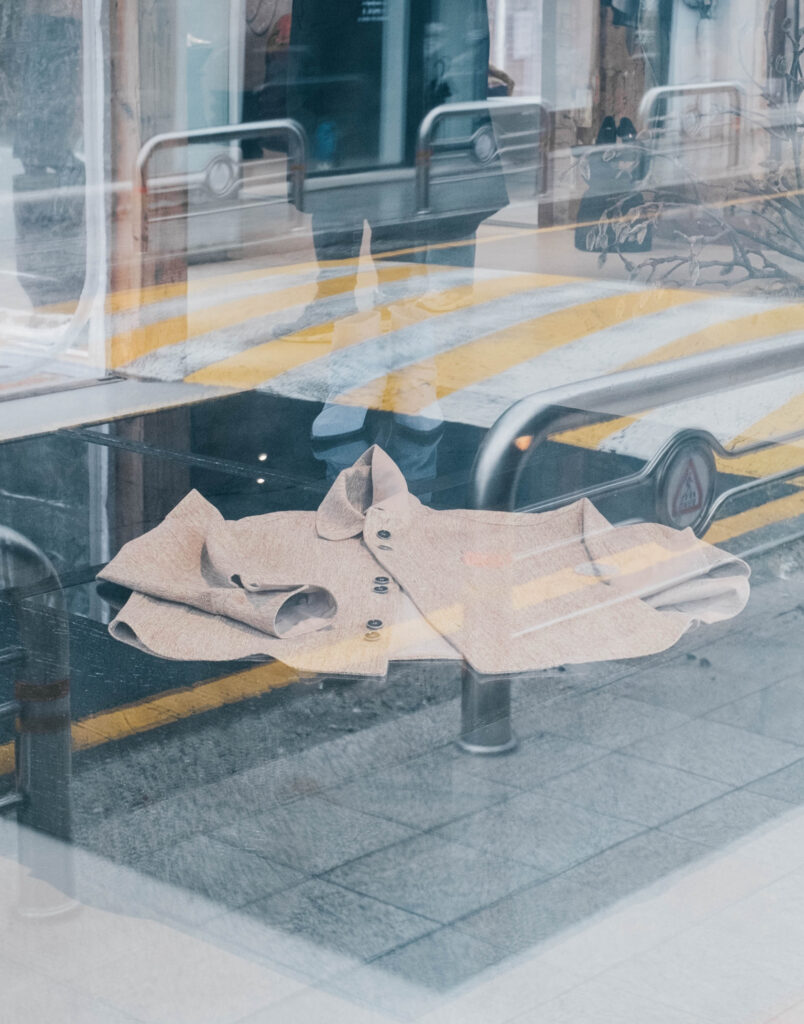
THEILMA FLAGSHIP
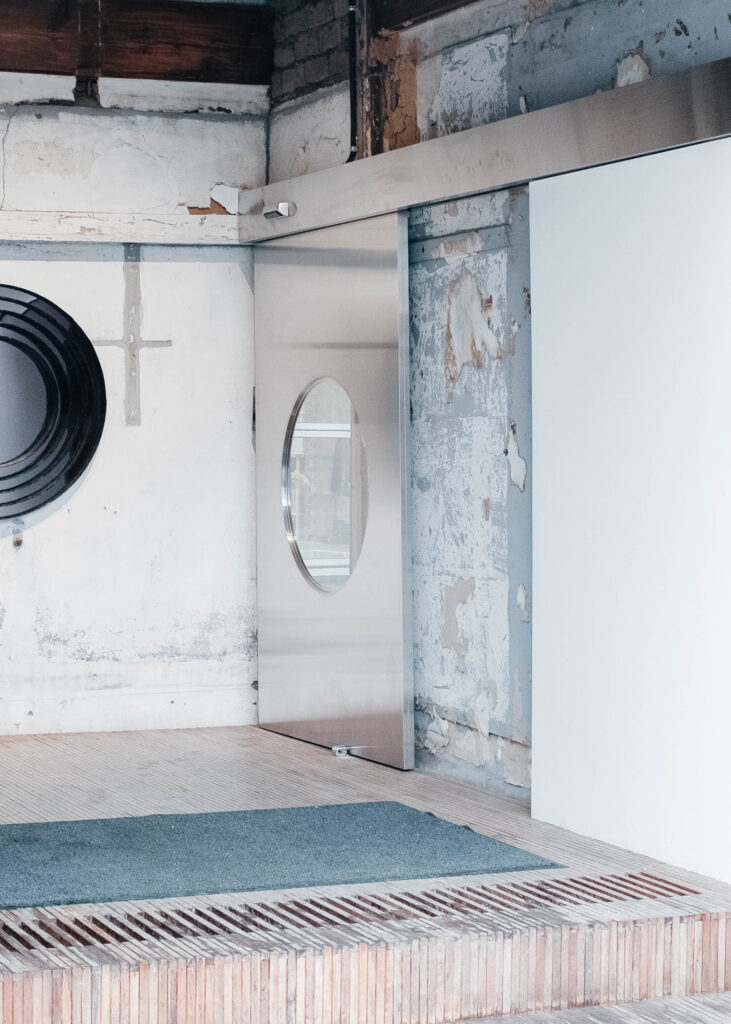
Preserved buildings appear throughout Seoul, often housing newer layers of use. Near Gyeongbokgung, you’ll come across a single-story hanok with a circular window set into a metal door. Step inside and you’ll find the flagship store of Korean fashion brand TEHILMA. Part shop, part gallery and café, it feels considered in every detail, and the building draws you in even when the door is closed. Like much of Seoul, it carries tradition and contemporary design side by side, feeling both old and new at once.
PAORI
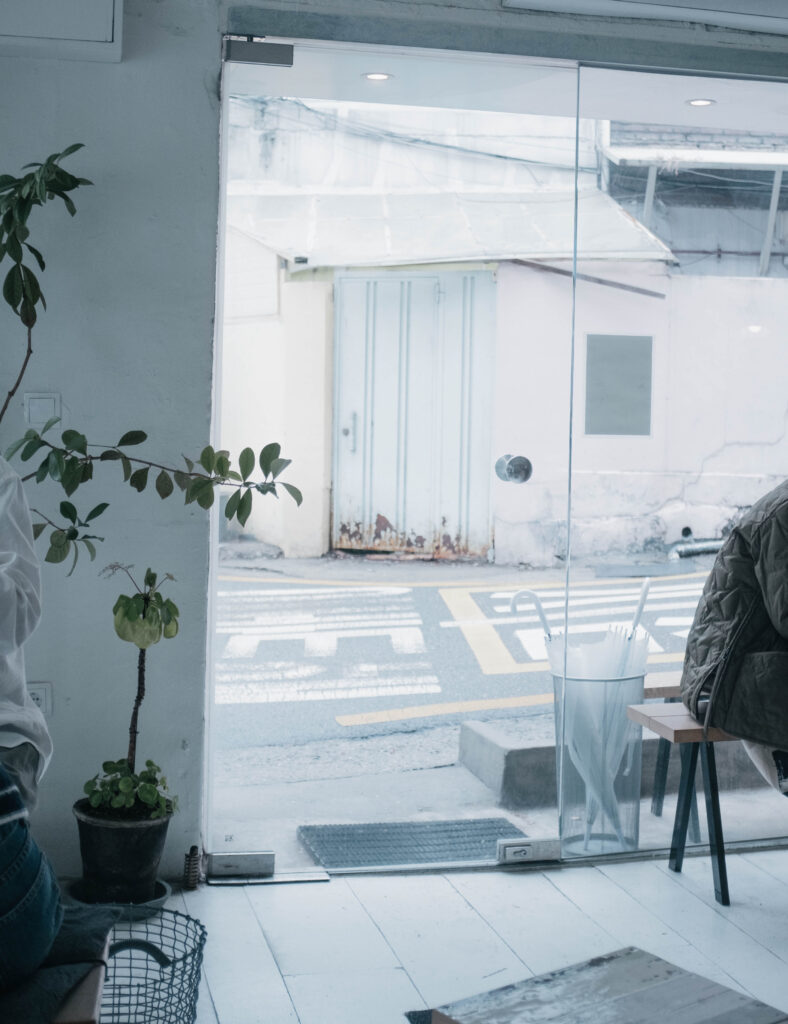
PAORI
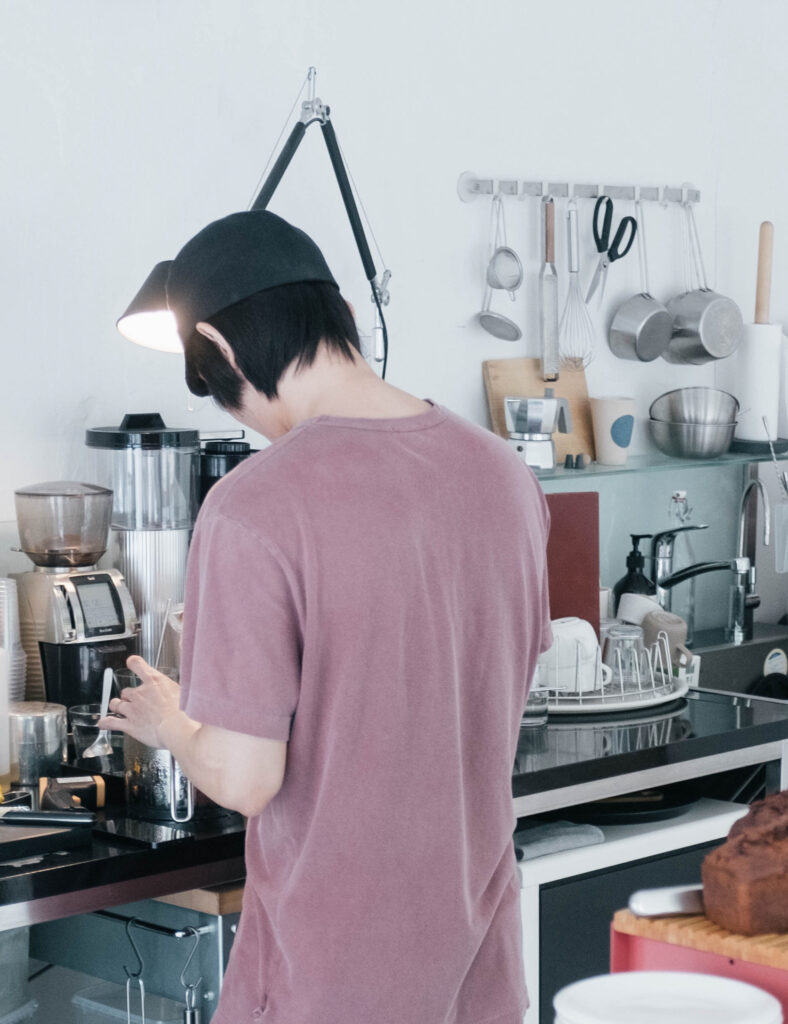
In the bustle of Jung-gu, Seoul’s political and urban centre, you’ll find Paori: a laboratory for craft drinks. With an approach closer to a cocktail bar than a coffee shop, it’s definitely not a place to visit in search of a flat white. House-made sodas and milk drinks are prepared with familiar and unexpected ingredients, displayed on open shelves lined with neatly labelled containers that run the length of the room. Baked goods are prepared in plain sight, adding to the sense that the whole space operates like an open kitchen. Worth stopping by on a rainy morning, when the city outside feels slower.
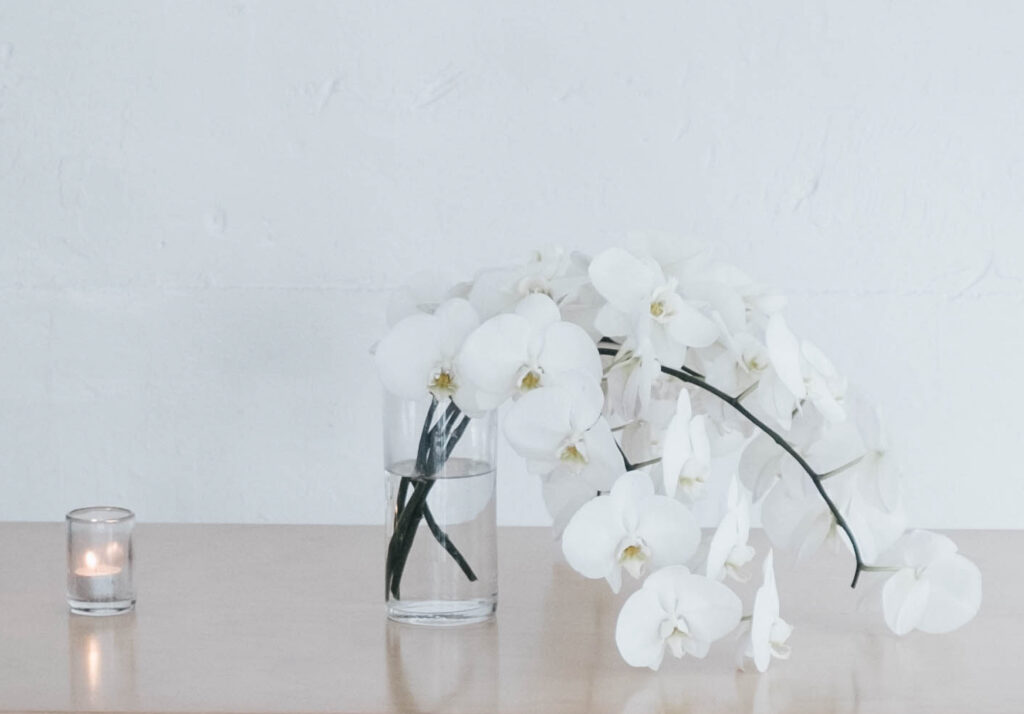
INWANGSAN SHELTER IN THE WOODS
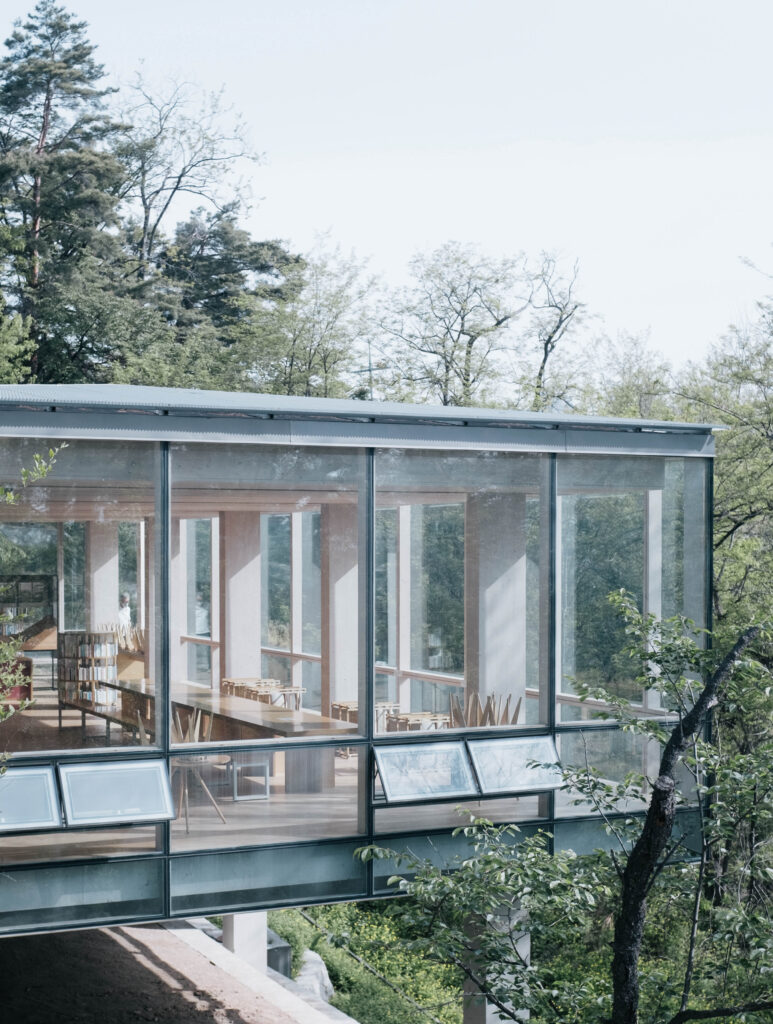
INWANGSAN SHELTER IN THE WOODS
One of Seoul’s most endearing traits is the way its residents embrace their neighbourhood mountains. Inwangsan is one of many, rising just behind Seochon, and often climbed by locals looking for an escape from the city below. Along one of its trails lies the Forest Shelter, a public library set among the trees just below the final stretch of the trail. What once served as a military outpost was reimagined as a meditative space: a reminder that the city’s escapes can be found within its own boundaries.
MMCA
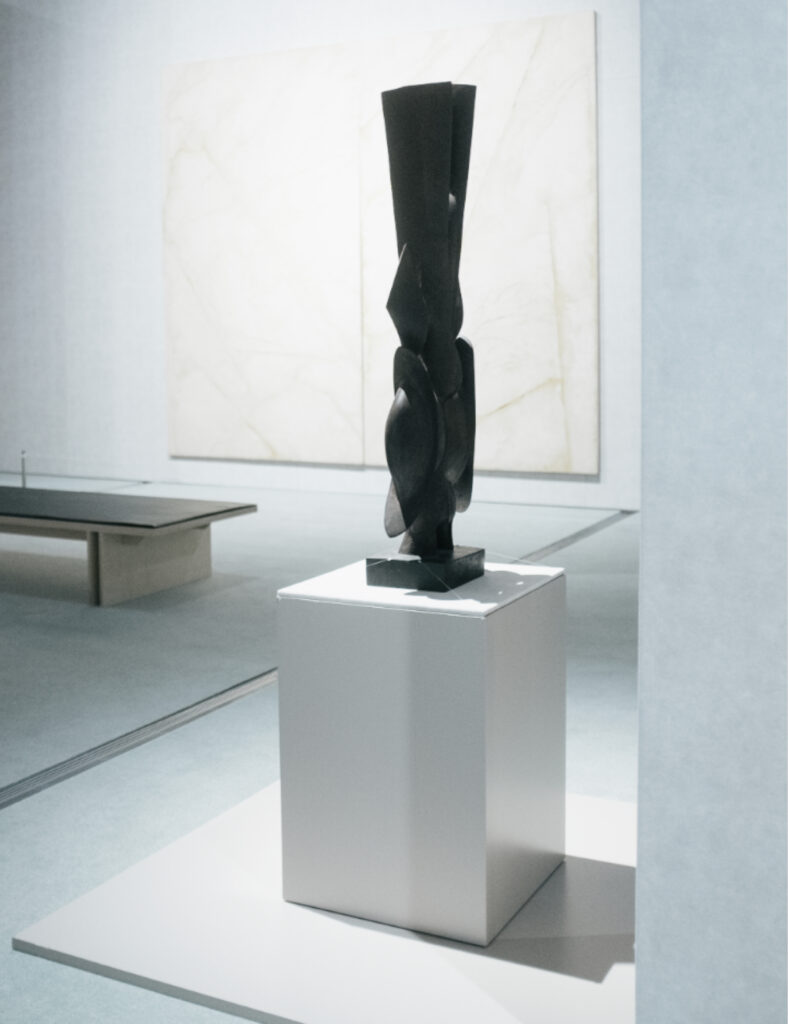
Those seeking an entry point into the Korean art scene will find it at the National Museum of Modern and Contemporary Art. The museum regularly stages exhibitions by both Korean and international artists, but its permanent collection is the real highlight. Spatial works by Moon Shin and Kim Chongyung sit alongside paintings by Yun Hyong-keun, Park Seo-bo, and Kim Whanki, tracing the evolution of Korean contemporary art over the past century.
PAS MAL
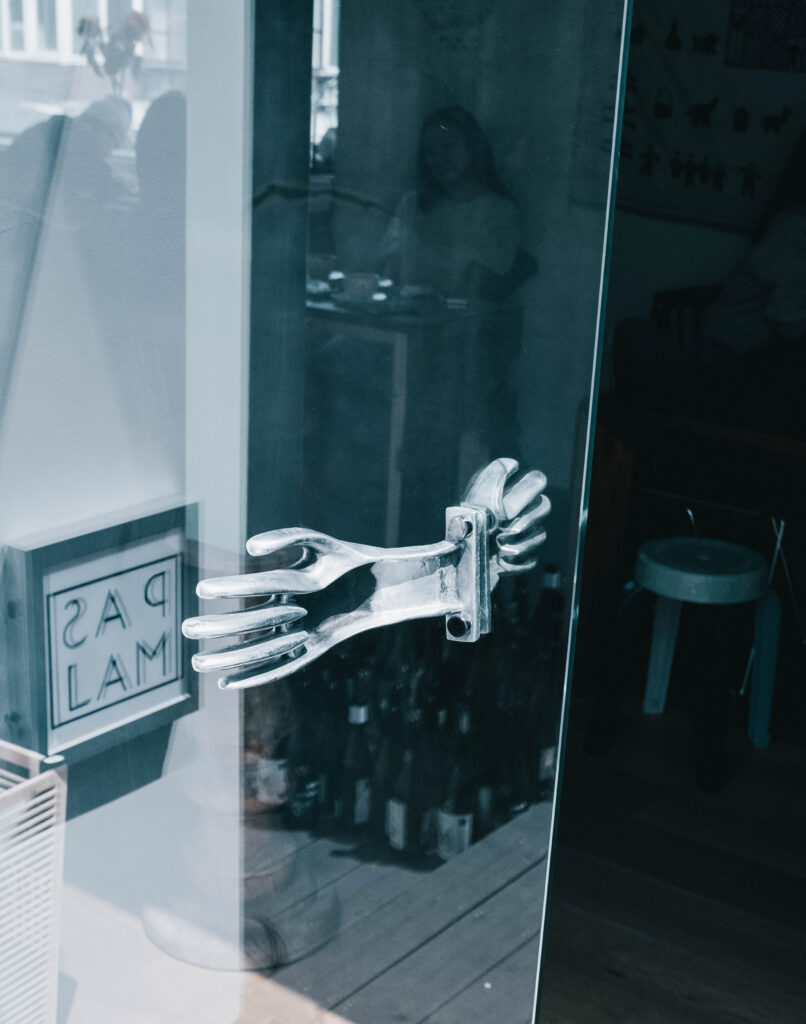
PAS MAL
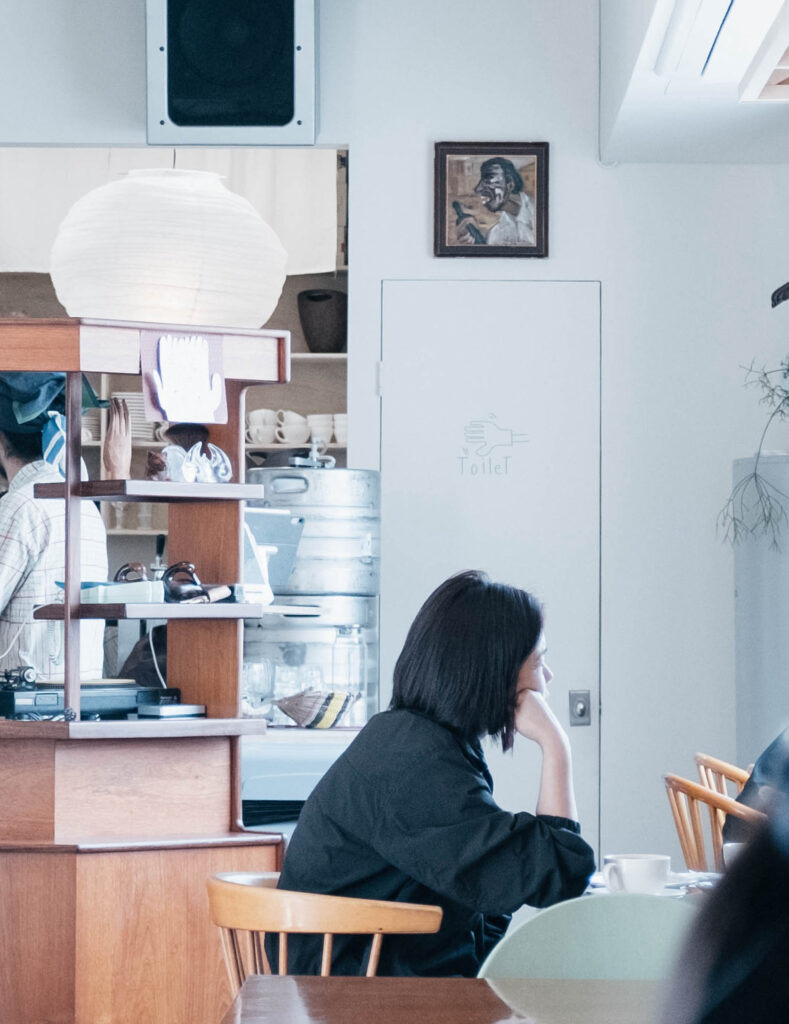
This city runs on iced americanos, and its café culture has grown into a landscape of meticulously designed and sometimes overdesigned spaces. Pas Mal quickly set itself apart as one of the city’s favourite places to gather, carrying a looseness rare in Seoul. Located on a quiet slope just past the Blue House, you’ll find servers in matching bandanas, glad to welcome you for both morning coffee and evening glasses of wine.
UMBER POSTPAST HOME
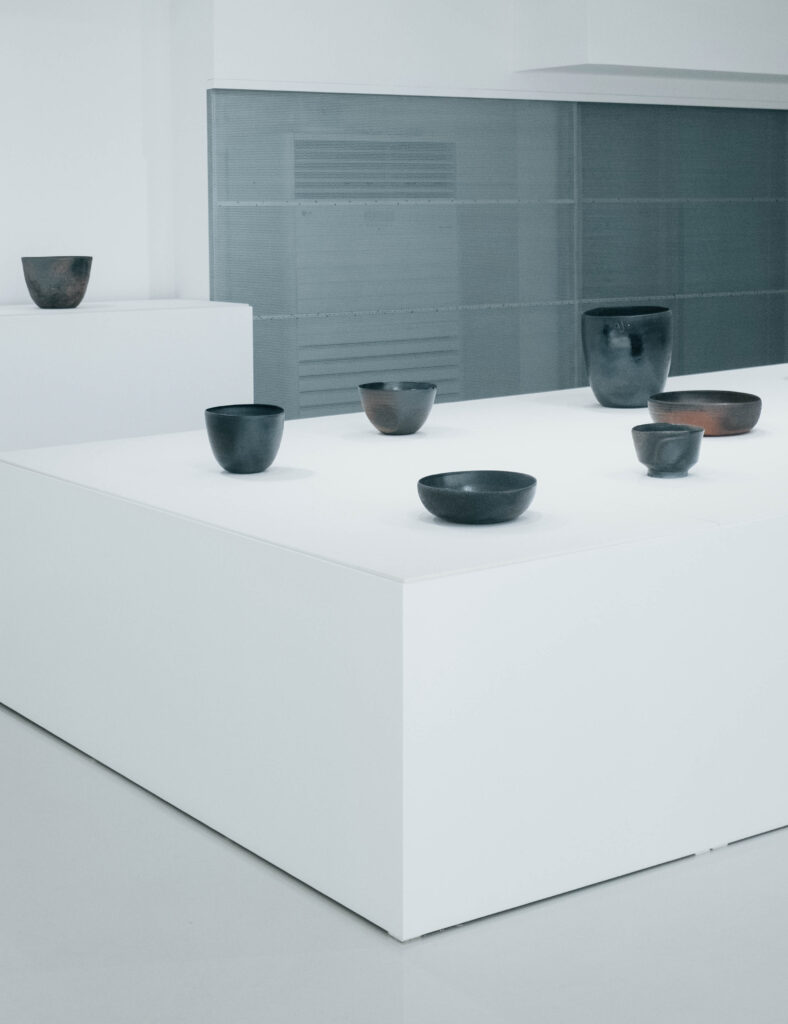
Rooted in tradition, Umber Postpast has long been best known for its fashion, utilising Korean dyeing techniques such as persimmon and mud dyeing. Expanding into homeware with the launch of Umber Postpast Home, the brand has also opened a multipurpose gallery space that reflects these values in a contemporary setting. One of its first exhibitions, the Brown Spectrum series, highlighted ceramicist Misun Jeong and her reinterpretation of Jeju onggi, the volcanic clay jars from Jeju Island that have long been used for fermenting foods.
YOUNHYUN MATERIAL LIBRARY
YOUNHYUN MATERIAL LIBRARY
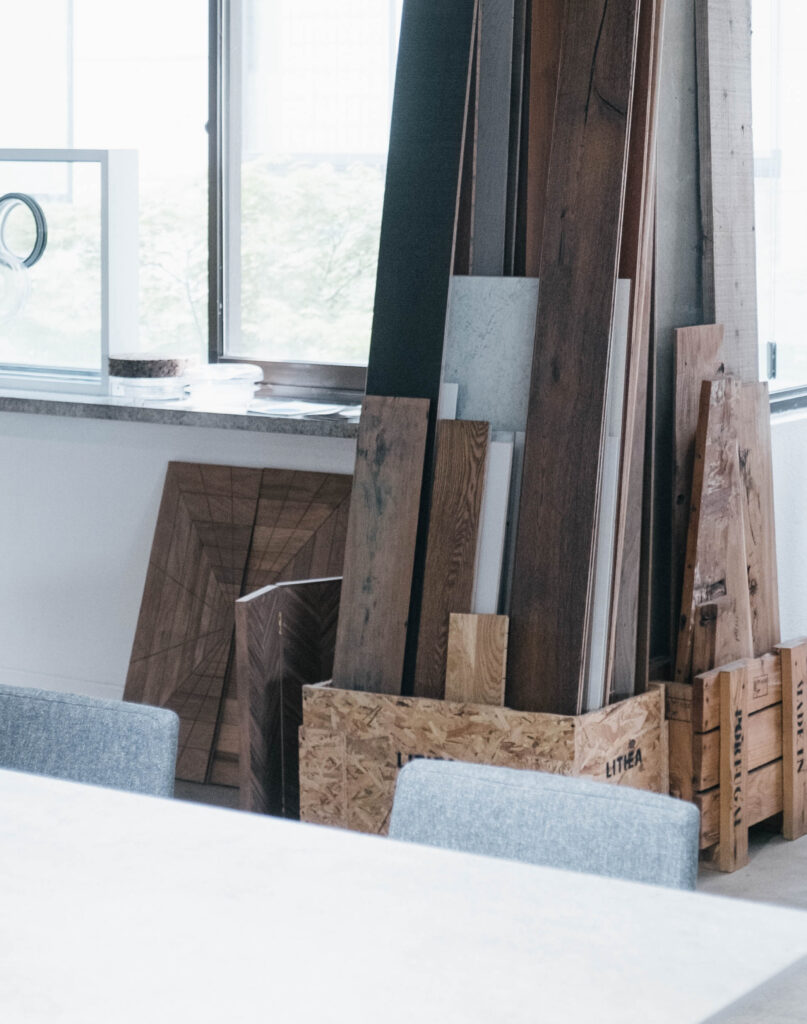
Material Library is a place that began as a personal archive and has grown into a publicly accessible collection, where materials are arranged on stalls much like books in a library, offered as resources for research and exploration to the curious visitor. Reflecting the belief in design at a human scale, the library also functions as a site for creative residencies, inviting architects and designers to explore the material foundations of liveable space. This could be your sign to finally cross the Han River into Gangnam.
MONOHA CRAFT
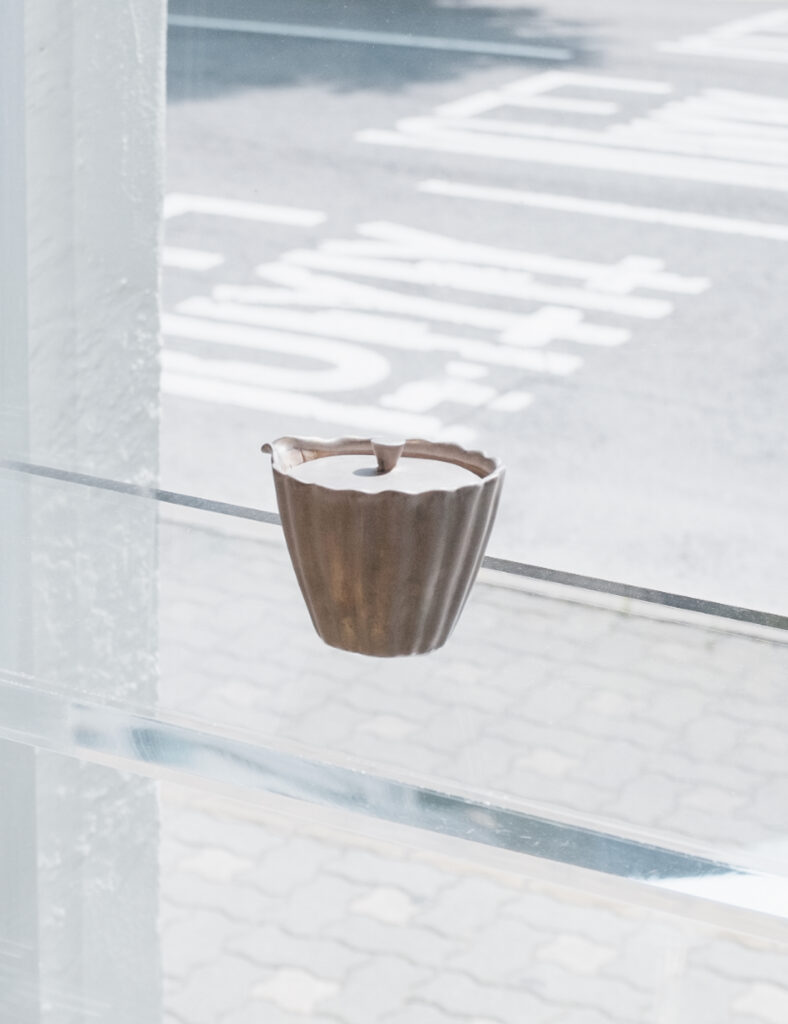
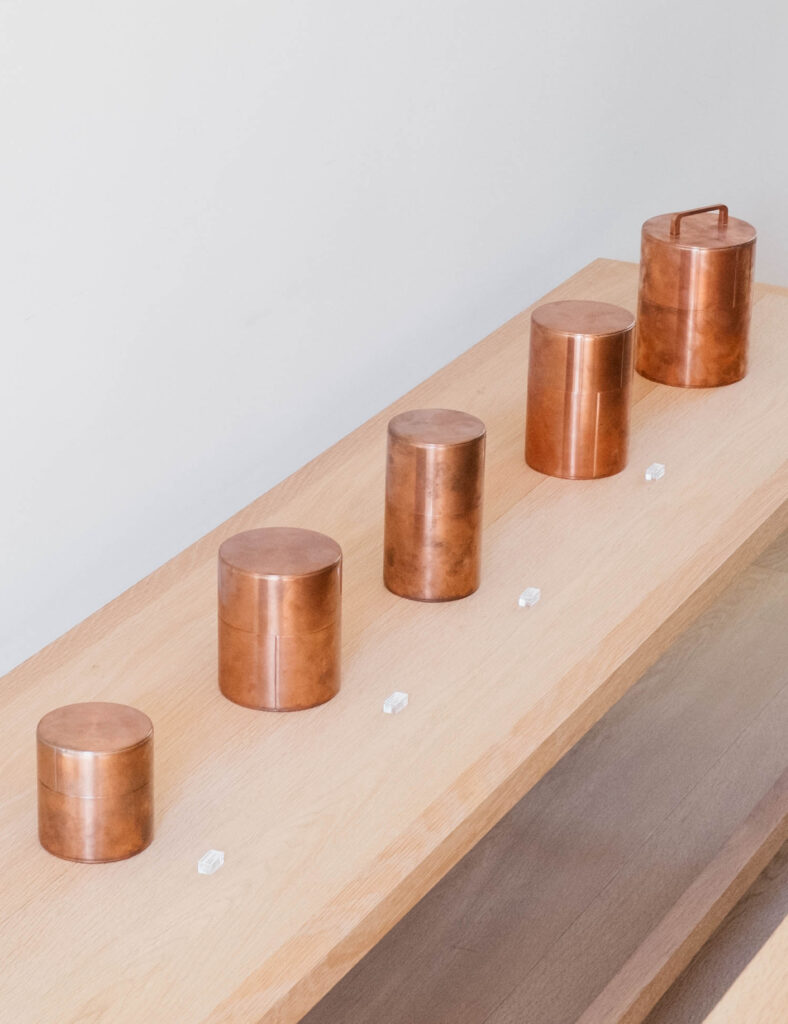
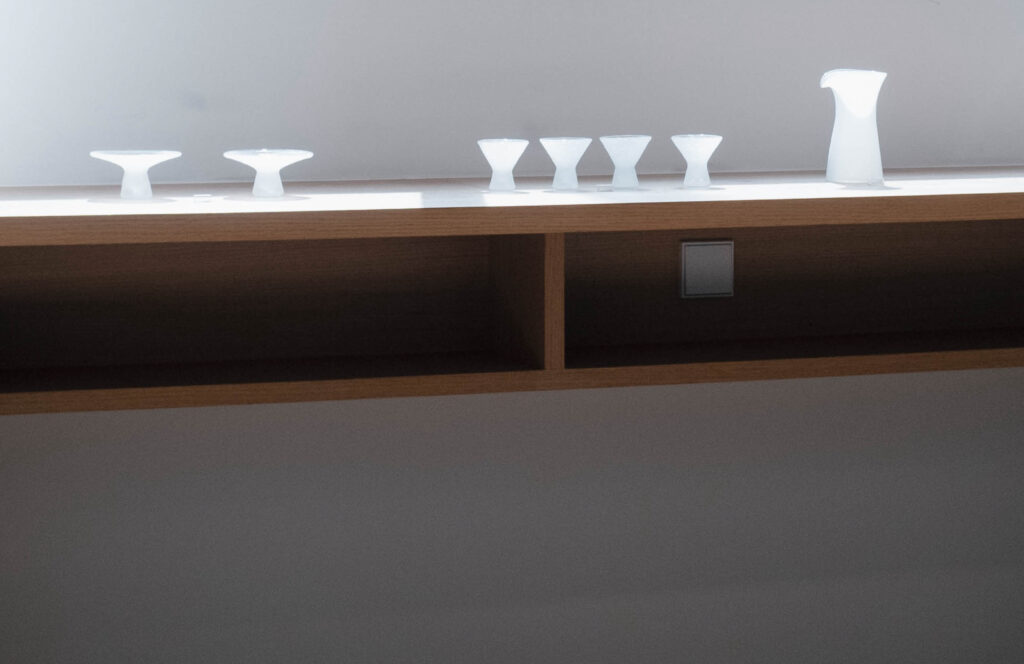
Behind its stripped-back aesthetic, this design store in a quieter part of Yongsan hides more than just apparel. Just outside central Hannam, the upper floor reveals a carefully chosen range of homeware and objects. Tea ware, tableware, and pieces in glass, metal, and ceramic sourced from both Korea and abroad are arranged throughout the carefully curated space. If you’re lucky enough to visit on a sunny afternoon, you’ll see the light playing across them, casting shifting, beautiful shadows through the room.
CHEBUDONG JANCHIJIP
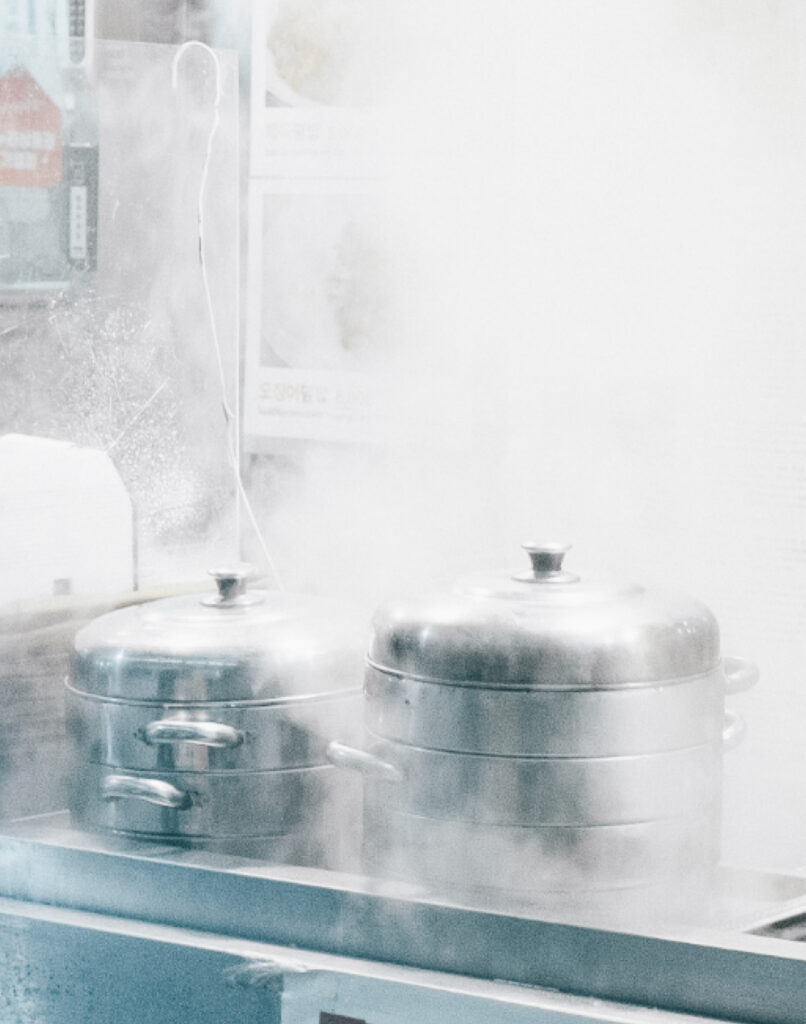
Often recommended by locals, this spot usually has a queue out front, but it moves quickly. The menu is simple and traditional, so don’t expect anything fancy. If you’re lucky, you’ll get seated at the floor tables. If not, the view from the main dining room gives you a glimpse into the rhythm of the place, with a steady cloud rising from the dumpling steamer.
The crowd is mostly local, and you might be one of the few tourists inside. Order bibimguksu (spicy noodles), pajeon (scallion pancake), and gyeran-mari (rolled omelette), and don’t forget the self-serve kimchi.
P.S.: The cutlery is in a drawer on the side of the table.
HAKGOJAE
HAKGOJAE
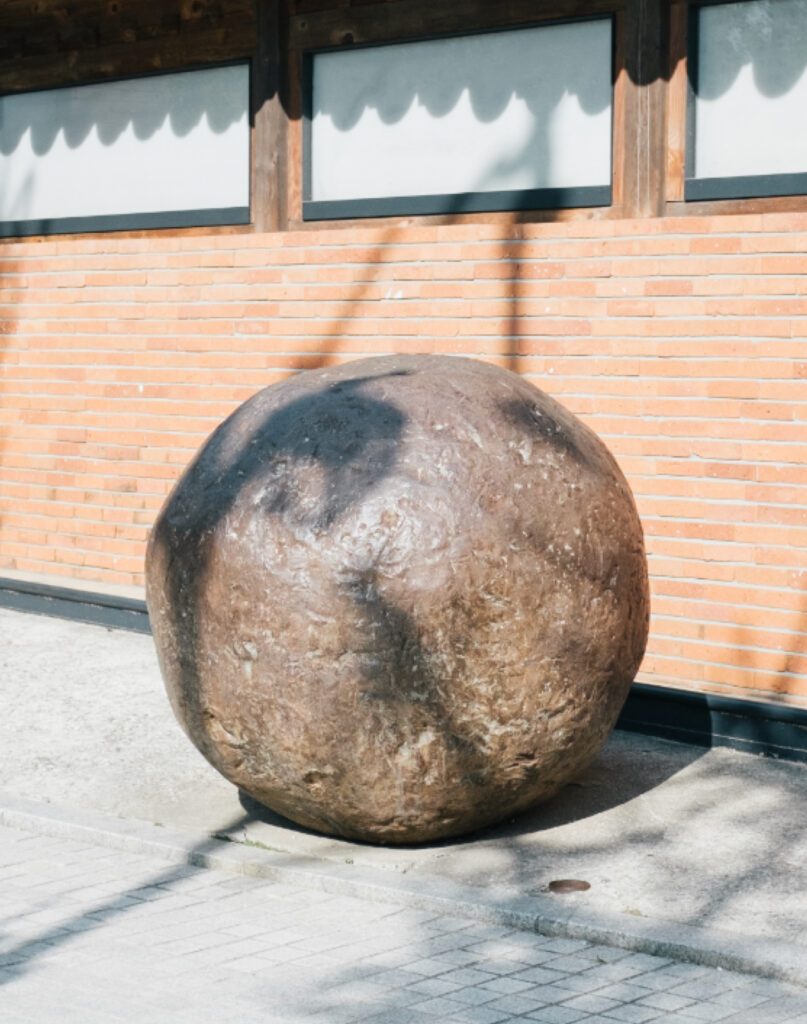
Two of Seoul’s well-known galleries sit side by side: Kukje, sleek and contemporary, and Hakgojae, the more traditional of the two. Its name comes from the old saying 온고지신 (溫故知新, on-go-ji-shin), meaning ‘to review the old to learn the new’, a principle that guides its program and its role in connecting past and present. You’ll easily recognise it by a stone sculpture by Lee Ufan standing at the entrance.
GONG GAN
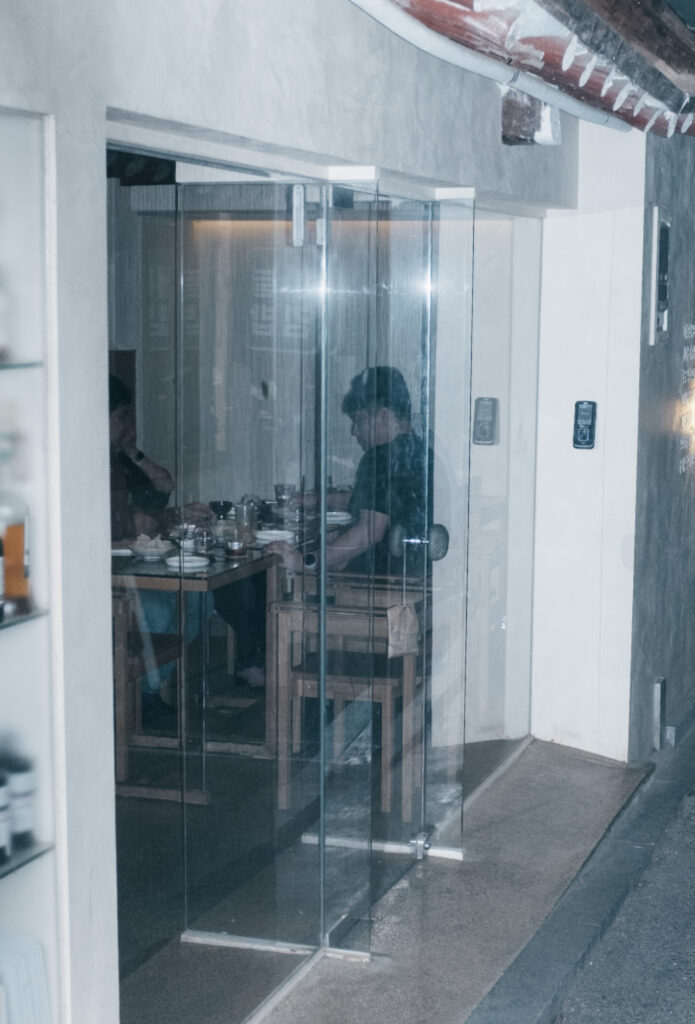
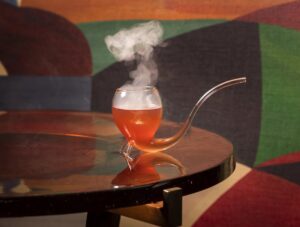
On a side street in Anguk, this cocktail bar is an ideal spot to wrap up a summer evening. Korean spirits, local ingredients, and upcycled elements shape many of the drinks. At its centre is a glass-enclosed garden surrounded by tables, though a seat at the bar offers the chance to engage with the staff. The atmosphere is lighter and more contemporary than the usual dark, wood-heavy cocktail bars here. Don’t miss out on the quince cocktail.
Recent stories
-
![]()
Olafur Eliasson: Look Closer no. 3
-
![Tatiana Trouvé | foto: Hélène Pambrun & Thomas Merle, met dank aan de kunstenaar]()
Tatiana Trouvé at Xavier Hufkens: Look Closer no. 2
-
![]()
Kent Guide: From Margate to Manor
-
![Alberto Giacometti, Hour of the Traces, 1932, gips, hout en staal, 69 x 36 x 29 cm]()
That One Moment: Chronos and Kairos
-
![Bar Magritte Hotel, Amigo, Brussels]()
Brussels Bound: City guide
-
![]()
A harmonic universum: A one-of-a-kind pocket watch
-
![]()
William Kentridge: Look Closer no. 1
-
![Marisol Foto: Nancy Astor]()
Between Glamour and Rebellion: Marisol at Depot Boijmans
-
![Helen Frankenthaler met April Mood in haar studio op East 83rd Street in New York, 1974 | © 2026 Helen Frankenthaler Foundation, Inc./ProLitteris, Zurich | foto: Alexander Liberman © J. Paul Getty Trust]()
Helen Frankenthaler & Donald Judd at Kunsthal KAdE: Radical and rigorous
-
![Zeeplokaal]()
Li’s Forecast #11: In praise of soap
-
![Piet Oudolf garden at Noma, Copenhagen]()
Piet Oudolf’s 16 favourite plants: Create your own Oudolf garden
-
![William Kentridge, Waiting for the Sibyl]()
BREAKING #338: She has all the answers
-
![Nicole Ex (rechts) en Sarah Knigge (links) ergens tussen spiegelbeeld, stippen en oneindigheid in Yayoi Kusama’s nieuwe Infinity Mirror Room in het Stedelijk Museum Amsterdam, 9 september 2026]()
BREAKING #337: Yayoi Kusama
-
![]()
BREAKING #336: Body language
-
![Getty Research Institute, Los Angeles, schenking van de Roy Lichtenstein Foundation ter nagedachtenis aan Harry Shunk en Janos Kender | Foto: Shunk-Kender © J. Paul Getty Trust]()
Endlessly innovative: Yayoi Kusama in Amsterdam
-
![Marisol Escobar met haar sculptuur The Kennedyʼs, 1964 | © foto: Sam Falk]()
In the Kitchen with Marisol Escobar: ‘I decided never to talk again’
-
![Justine Kurland, {{Orchard}}, 1998, chromogenic print, 76.2 × 101.6 cm]()
BREAKING #334: The Orchard Project, Part II
-
![Wolfgang Tillmans, Inner City Apple Tree, 2004]()
BREAKING #333: An orchard for the future
-
![]()
Which room did you fall in love with?: Send us your all-time favourite cinematic room
-
![]()
BREAKING #332: In love with a room