A landscape, archive and statement
The iconic Lady Dior reimagined by artists
Named after Princess Diana, the Lady Dior has long stood as a classic emblem of craftsmanship. Over time, it has also become a living artistic canvas, continuously reimagined by artists from around the world. Invited by the fashion house, they transform the bag into a dreamlike landscape, an archive of memories, or a bold, vibrant statement.
Since its founding in 1947, Dior has never approached couture as something concerned with aesthetics alone. For Christian Dior, fashion was a means of restoring order in a period of recovery – a way of reshaping the female silhouette through form and material, and of offering renewed direction after a turbulent time. Couture functioned as a kind of discipline. This attitude – serious, precise and visionary – runs as a quiet through line in the house’s history. What makes Dior compelling today is that this line has not been allowed to harden. For years, the house has consistently invested in art and artists, guided by the conviction that multiple forms of artistic expression deserve a platform.
Projects such as Lady Dior Art and the Lady Dior Art Book demonstrate how a fashion house and a single, recognisable bag can serve as a point of departure for artistic enquiry. Not in order to resell the bag, but to reconsider and re-understand it. The Lady Dior is therefore not an empty object. It carries history, references and a certain formal rigour – that same sense of discipline once more. I find it both coquettish and, at the same time, the ultimate canvas: open to a wide range of interpretations. Each artist invited by Dior begins from their own practice and convictions, establishing a distinct relationship with the object. The bag itself does not change in form, but in meaning, as demonstrated by artists such as Eva Jospin, Alymamah Rashed and Lakwena.
Eva Jospin
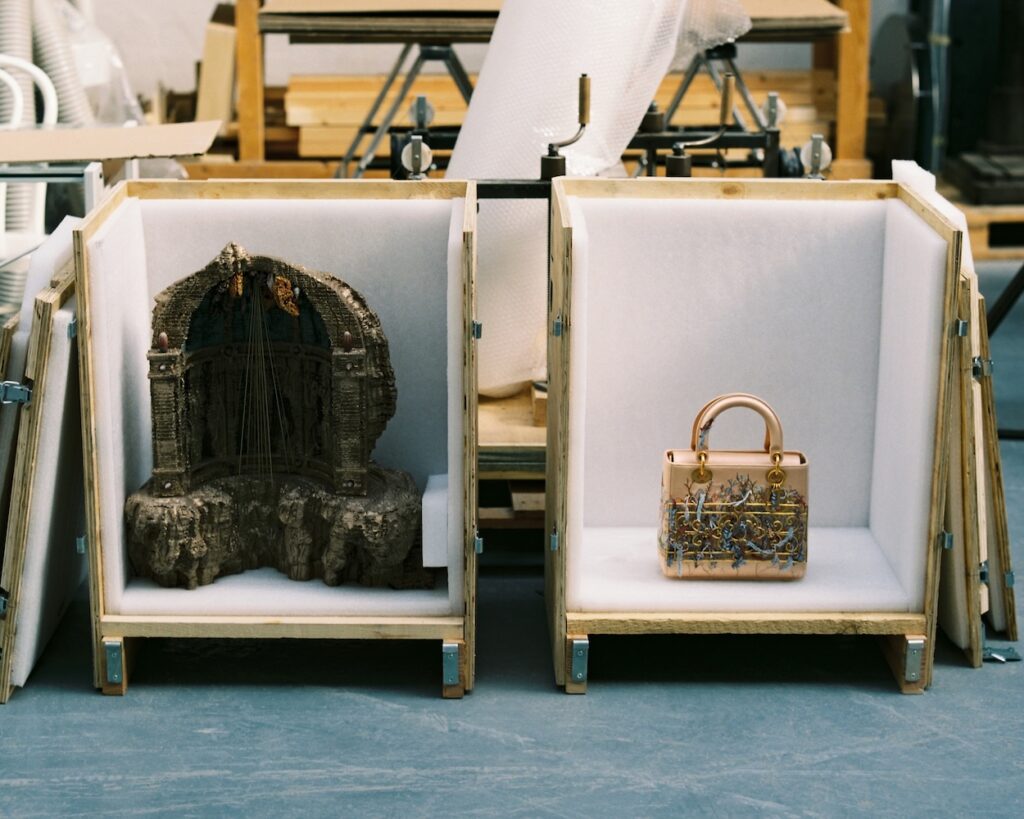
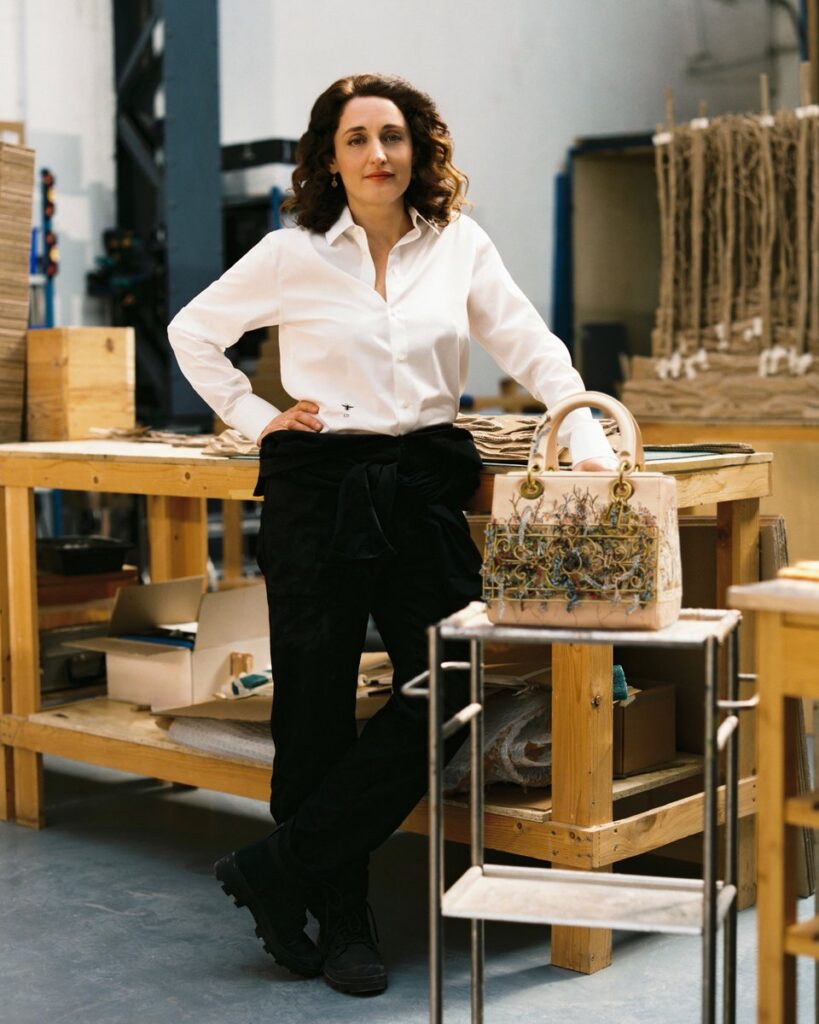
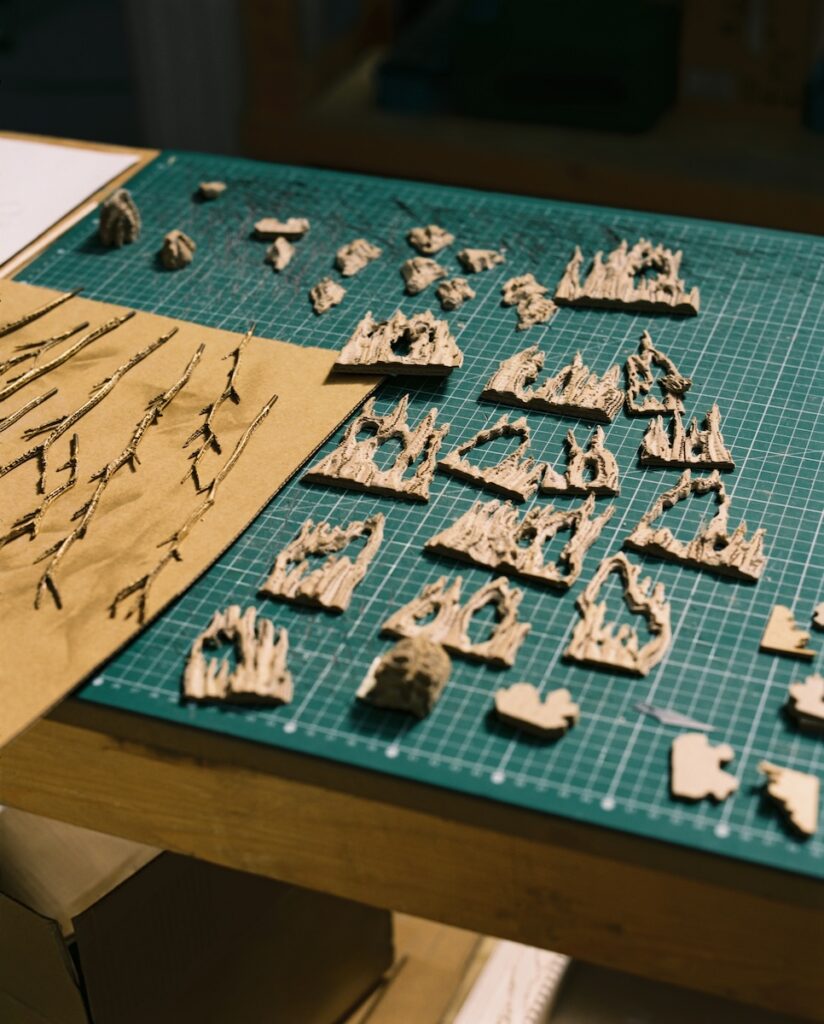
The work of Paris-based artist Eva Jospin (b. 1975) is characterised by an intense focus on structure and layering. Her landscapes, often constructed from cardboard, relief and meticulous handwork, may appear fragile at first glance but are in fact built with extraordinary precision. They reference classical painting, Renaissance gardens and mythology, evoking worlds that seem shaped by nature itself.
In her interpretation of the Lady Dior, Jospin translates her artistic practice into a wearable object. The bag becomes a compact landscape in which depth and surface converge. The use of cardboard – a material rarely associated with luxury – is both a statement and a deliberate choice rooted in her wider oeuvre. Her work asks for attention, for proximity: one must look, really look. In this way, it aligns seamlessly with the original values of couture – making, repetition and refinement.
Alymamah Rashed
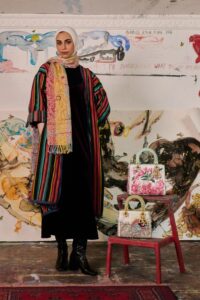
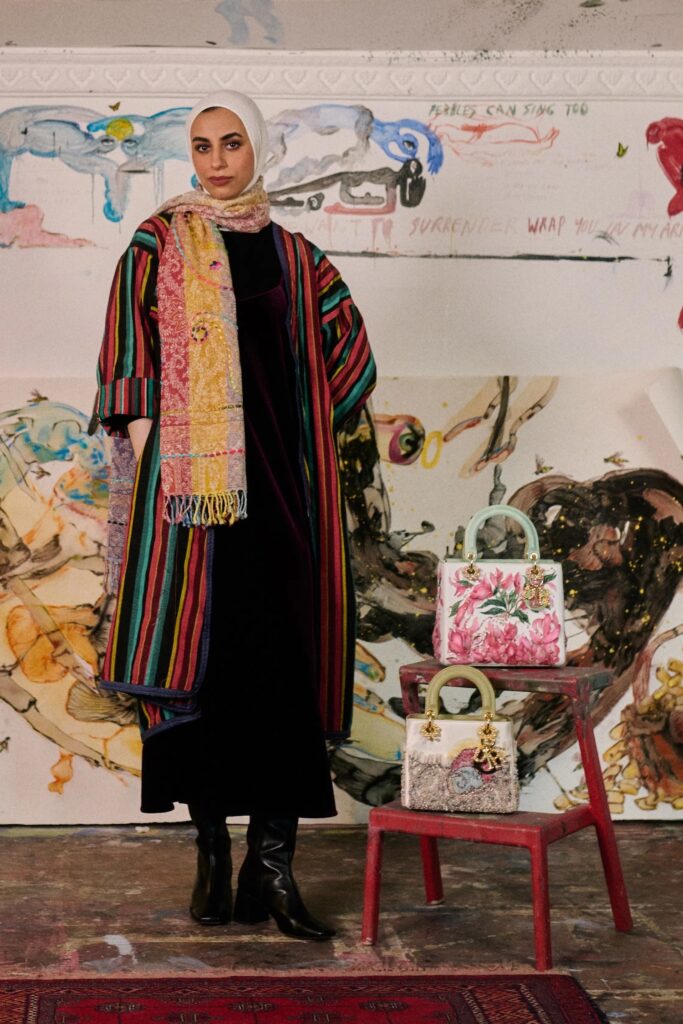
With Alymamah Rashed (b. 1994), the focus shifts decisively. Her work is rooted in personal and collective memory, with a sustained attention to female experience within the Kuwaiti and wider MENA (Middle East and North Africa) context. Textiles, handcraft and ornament are central to her practice, operating not only as decorative elements but also as vessels of knowledge. Embedded within her work are the distinctive techniques and rich traditions of storytelling that characterise the MENA region.
For the tenth edition of Lady Dior Art, Rashed draws inspiration from Failaka Island, a site where nature and history intersect. Sand, rock and sea are translated into intricate embroidery and sculptural relief. A second design pays homage to the Kuwaiti humaith flower, rendered through three-dimensional petals and pearls. Each piece incorporates a discreet enamel eye and a hidden poem, revealed only to the wearer.
Rashed locates femininity beyond the realm of the purely visible, extending it into the immaterial – into care, continuity and presence. Her contribution makes clear how fashion and art can operate as intimate archives, preserving histories that are felt as much as they are seen.
Lakwena
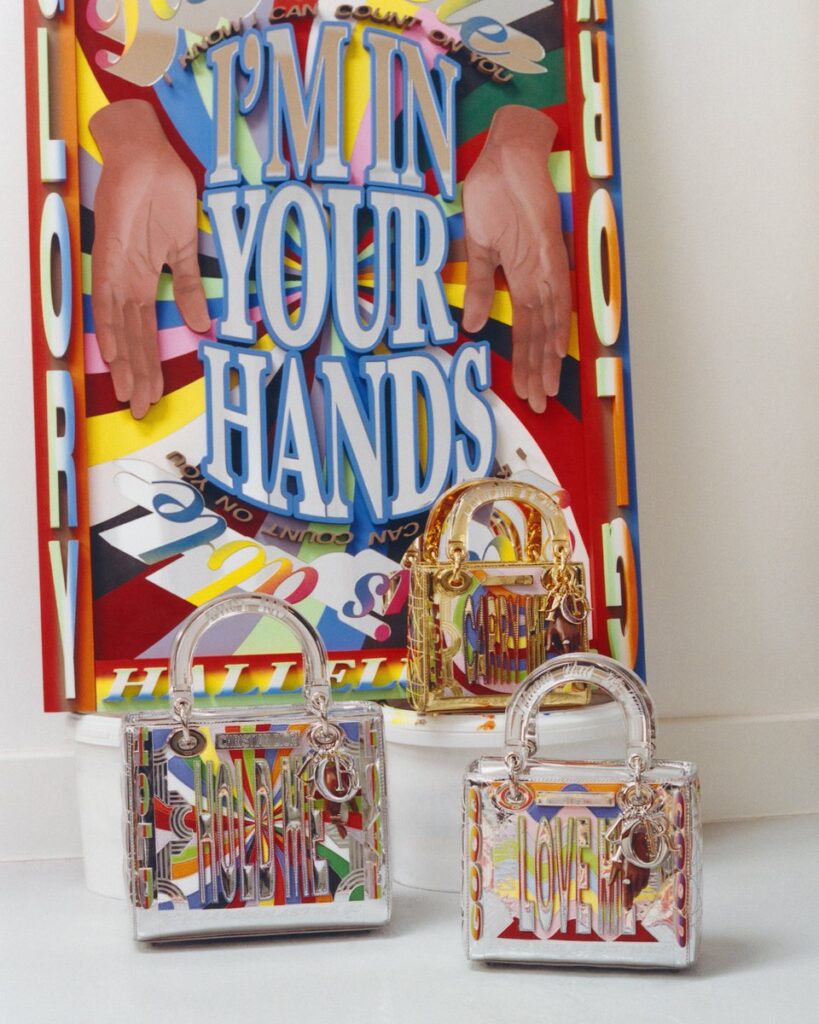
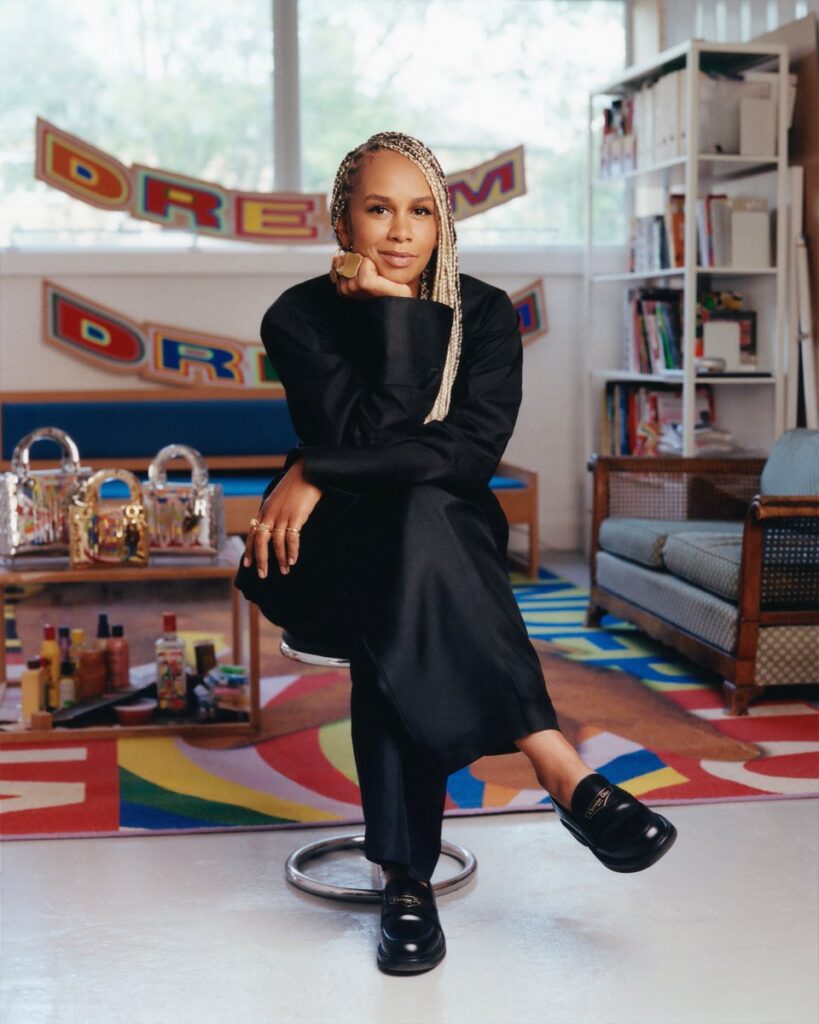
The work of London-based artist Lakwena (b. 1986) is immediately recognisable. Vivid colours, graphic forms and emphatic words define her visual language. Moving fluidly between street, studio and public space, she draws inspiration from music, faith and ideas of community. Lakwena translates this energy to the Lady Dior without softening it – her bag is bold, optimistic, direct and unapologetically loud. Words and blocks of colour are placed with careful attention to composition and rhythm.
This is work that does not necessarily demand interpretation, but rather a shift in perspective – one that relocates a coquettish object within a new environment. What Lakwena brings to the project is a sense of immediacy. Her Lady Dior is firmly grounded in the present zeitgeist, demonstrating how luxury can also be light, open and connected to the everyday life of the city. For me, Lakwena embodies an ideal utopia: a vibrant, cosmopolitan place in constant motion.
boundless couture
With the Lady Dior Art Project, Dior demonstrates that collaboration with artists can be more than a visual experiment. By granting artists the freedom to work from within their own practices, the project produces a layered understanding of what couture can signify today. Not every outcome is comfortable; not every bag is ‘beautiful’ in the classical sense. Yet this is precisely where the project’s strength lies. It presents couture as something in constant motion – sustained by art, by craft and by a plurality of perspectives, and shaped by voices from across continents.
At a time when luxury is often reduced to speed and visibility, Dior chooses a slower path – one grounded in attention, substance and dialogue. It is this commitment that allows the house to remain relevant without losing sight of its origins.
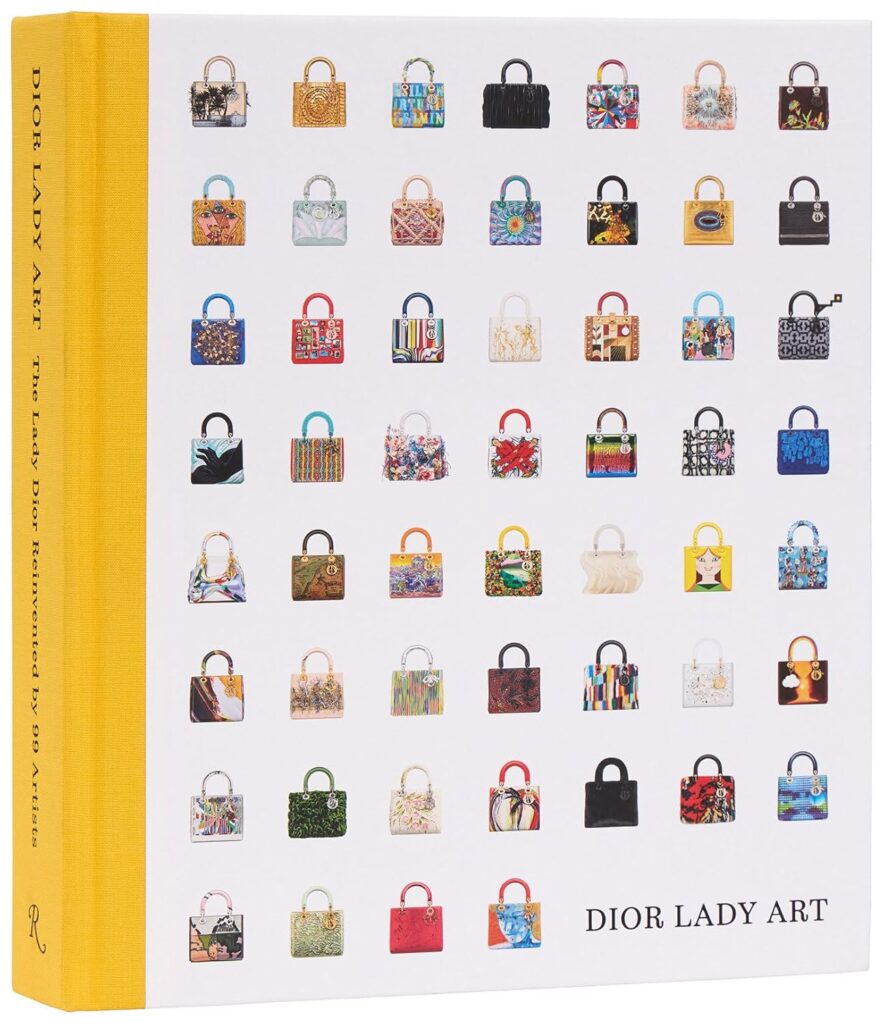
In February 2026, Dior Lady Art: The Lady Dior Reinvented by 99 Artists will be published by Rizzoli. Richly illustrated, the book includes contributions by Hervé Mikaeloff, Jérôme Hanover and Anne Malherbe, and offers an overview of artistic collaborations with artists such as Judy Chicago, Jeffrey Gibson, Gilbert & George, Zhang Huan, Jack Pierson, Marc Quinn, Raqib Shaw, Claire Tabouret, Mickalene Thomas, Eva Jospin and Joana Vasconcelos.
Recent stories
-
![Alymamah Rashed in haar studio | © Mateusz Stefanowski, courtesy Dior]()
A landscape, archive and statement: The iconic Lady Dior reimagined by artists
-
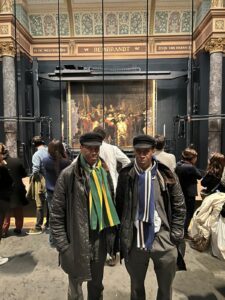
![The Islington Twins in front of Rembrandt's Nightwatch at the Rijksmuseum, Amsterdam, 7 December 2025]()
A Weekend with The Twins: In Amsterdam
-
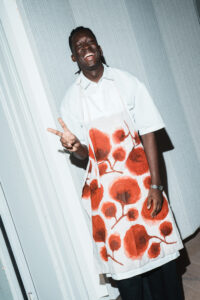
![Chef Mory Sacko, guest-curator of See All This #40, wearing one of the hand-painted aprons at See All This' Dinner Party, 6 December 2025 | photo: Katerina Bezede]()
A Taste of Mory’s Magic: Recreate His Festive Soup Dish at Home
-
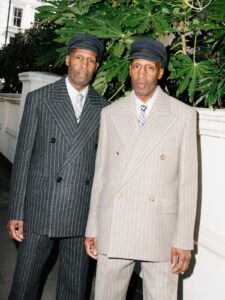
![The Islington Twins for Burberry]()
Fruits, Fats & Fundaments: Lessons in Nutrition from the Streets of London
-
![The Dinner Party, 6 december 2025, Felix Meritis Amsterdam | foto: Katerina Bezede]()
The Dinner Party: 10 Years See All This
-
![]()
The Gentle Radicalism of Eating Together: A Night with The Macallan at Flore
-
![Nicole Ex tijdens haar speech, The Dinner Party, See All This, 6 december 2025]()
10 years of See All This: ‘Do you like the party?’
-
![Joseph Beuys, Fat Chair, 1964, fat, wax, barbed wire, wooden chair, 41.6 x 94.5 cm]()
Feeding the Eye: A Visual Banquet
-
![Hilma af Klint, De zwaan, serie
SUW/UW, groep IX: deel I, nr. 16, 1915, olieverf op doek, 154,5 × 154,5 cm]()
Why Doctors Are Prescribing Art: 10x When Art Becomes Medicine
-
![]()
Pizza: The Crispy Canvas Reflecting our History, Identity and Future
-
![Nicole Ex in her home, with a work by David Shrigley in the background and a hand-made chair by Bijoy Jain of Studio Mumbai (guest curator of See All This #32) | photo: Sanja Marušić]()
The one essential ingredient: Editorial #40
-
![]()
Mory Sacko: A Remarkable Recipe
-
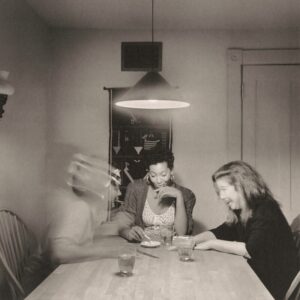
![Carrie Mae Weems, Untitled (Woman with Friends) from The Kitchen Table Series, 1990, platinum print]()
The Dinner Party: How shared meals can change your life
-
![Salvador Dalí and Gala’s fundraiser party A Surrealist Night in a Surrealist Forest, 1941, Monterey]()
5x Hosting Like an Artist: From Judy Chicago to Salvador Dalí
-
![Copper Terracotta Kadai and Tokri Chafing Basket Small]()
Li’s Forecast #6: Pots and Pans
-
![Adrián Villar Rojas, Untitled (From the Series The Language of the Enemy), 2025. Installation view, Audemars Piguet; Le Brassus; Switzerland © courtesy of the artist, Aspen Art Museum, Audemars Piguet Contemporary and Kunstgiesserei St. Gallen. photographed by Jörg Baumann]()
Adrián Villar Rojas at Le Brassus: Through Layers of Time
-
![]()
BREAKING #290: A dizzying web
-
![]()
Seven in a Week: In 7 exhibitions to Madrid
-
![]()
-
![]()
BREAKING #289: A six star review