Mallorca Mode
Travel Guide
1. Can Lis
1. Can Lis
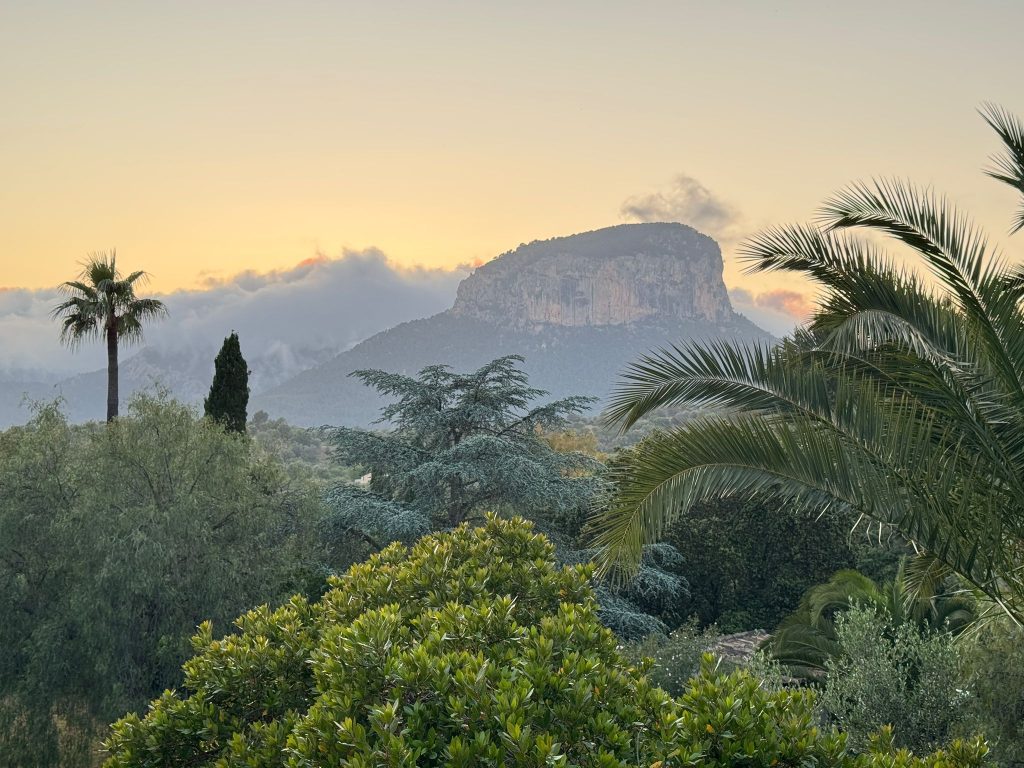
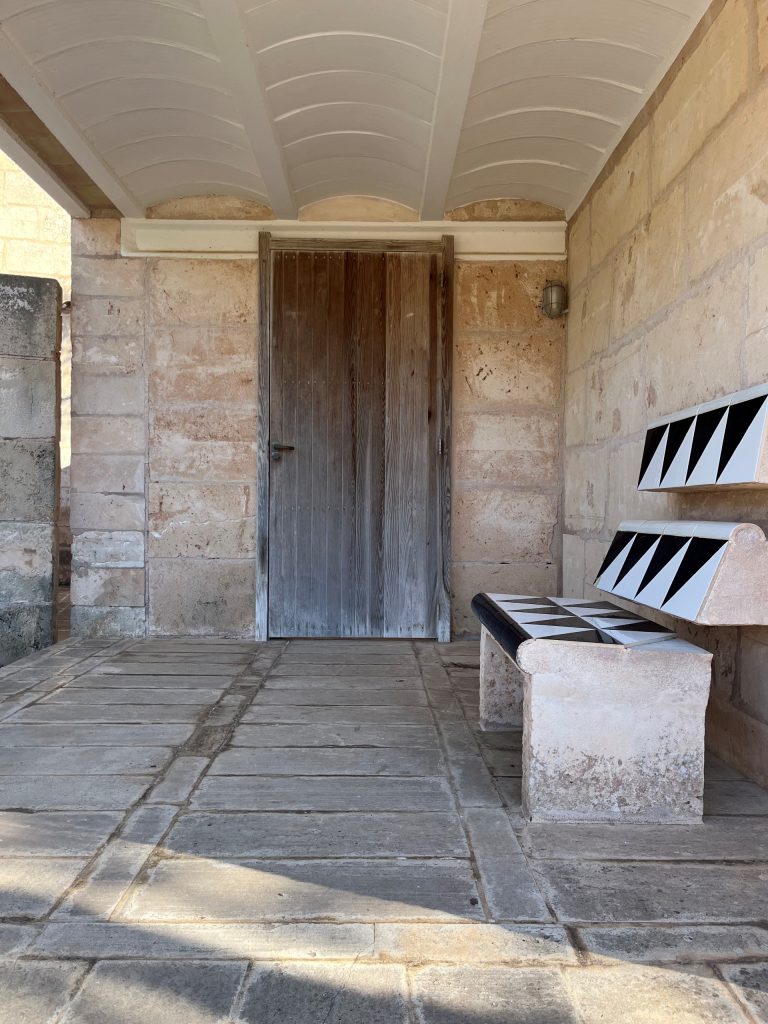
In 1957, the Danish architect Jørn Utzon (1918-2008) produced the winning design for the iconic Sydney Opera House, but a conflict forced him to withdraw from the project in 1966. He ended up in Mallorca, where he purchased a plot of land in 1972 and began building Can Lis, named after his wife. This family home, built on a steep cliff with spectacular sea views, became over the years a place of pilgrimage for architecture lovers, much like his other works.
2. Fundació Joan Miró
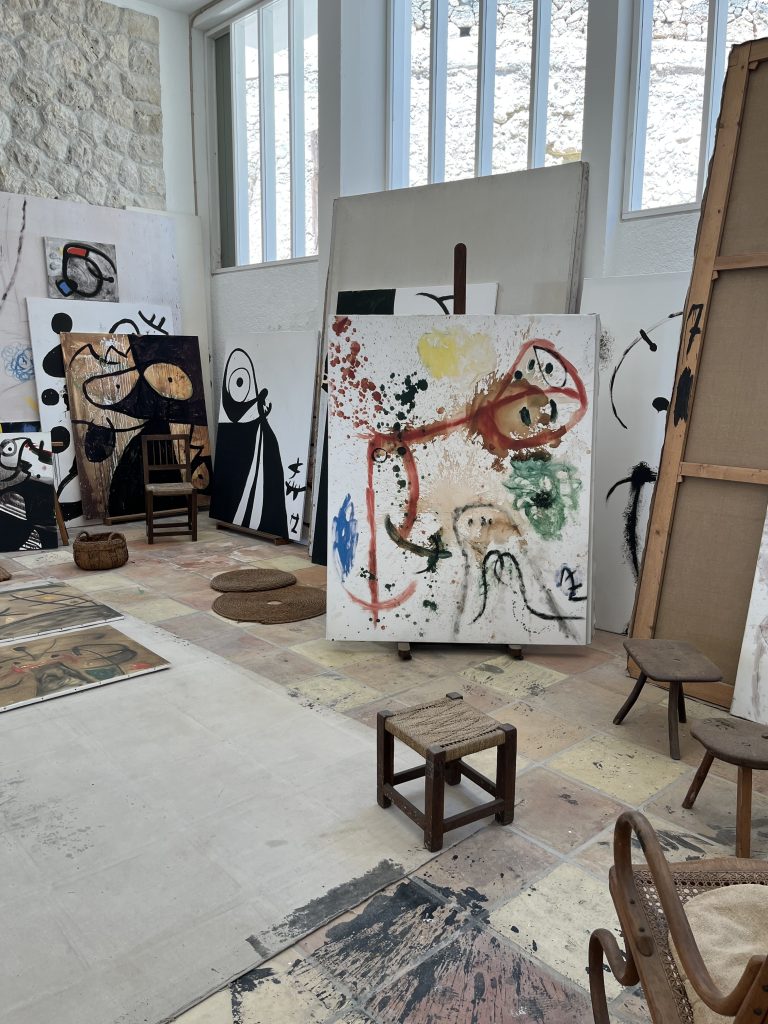
The Catalan painter and sculptor Joan Miró (1893-1983) had it all. From 1956 onwards, he worked just outside the capital, Palma, in a charming spot perched on a rocky rise with sea views. No work has been made in his Modernist studio, or in his house Son Boter – where the graffiti on the walls is still in Miró’s own hand – but the creative spirit and sense of beauty linger on. The adjoining museum, built in 1992 by Rafael Moneo, who won the Pritzker Architecture Prize in 1996, presents works by Miró and related artists.
‘For me, a painting must give off sparks. It must dazzle like the beauty of a woman or a poem.’
3. Gres Gallery
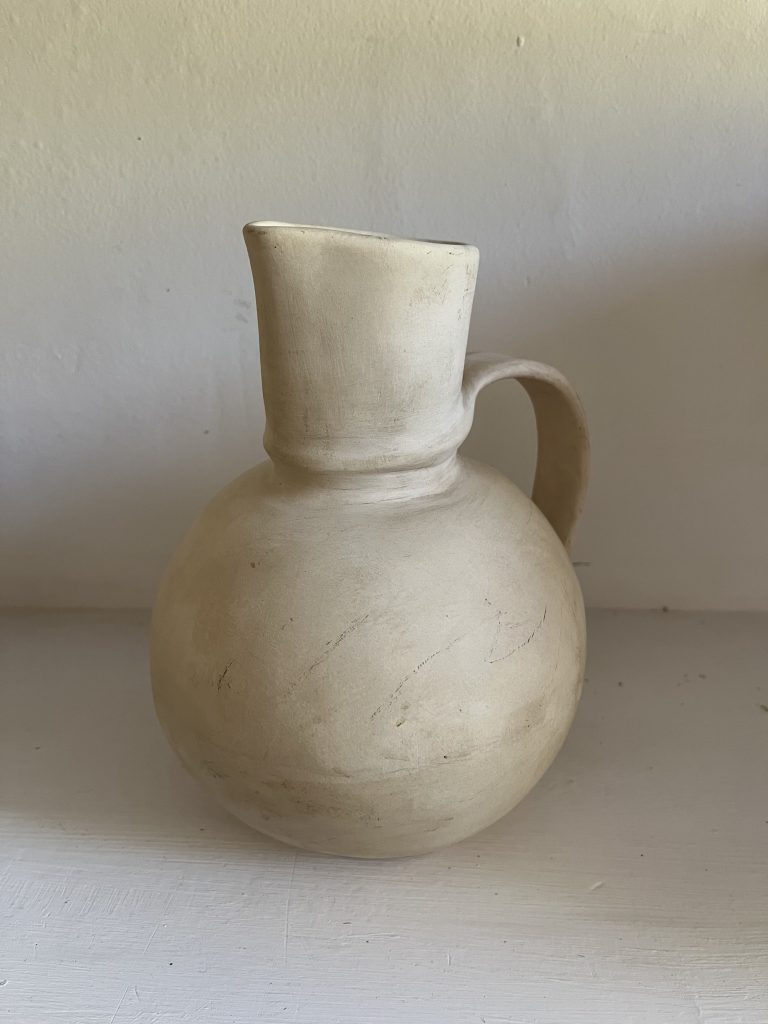
3. Gres Gallery
Gres, Spanish for ‘stoneware’, is a small workshop and gallery, with a front door that opens directly onto the Deià bus stop. The world you enter, by contrast, is expansive, white, quiet and serene. Here, antique furniture is interspersed with handmade ceramic objects, created on the potter’s wheel behind a room divider by the Alzamora family. The forms are simple and well balanced, finished with matte and occasionally experimental glazes. There is truly nothing here that you would not want to linger over – or keep forever.
4. Museo Sa Bassa Blanca
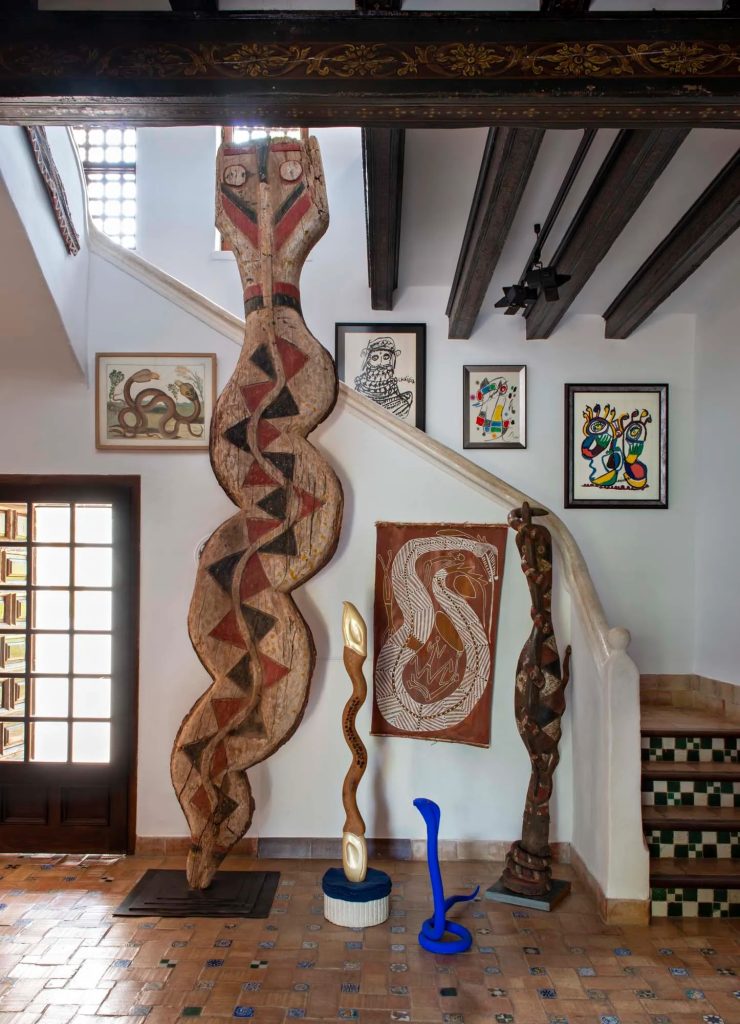
When artists Yannick Vu and Ben Jakober first encountered the work of the legendary Egyptian architect Hassan Fathy in a French magazine in the late 1970s, they were immediately captivated. Eventually, they persuaded him to design their family home. It became Fathy’s only building in Europe, rich in Andalusian and Arab influences. In 1994, they decided to open their home, along with its impressive art collection and garden, to the public.
5. XTANT Textile Heritage Festival
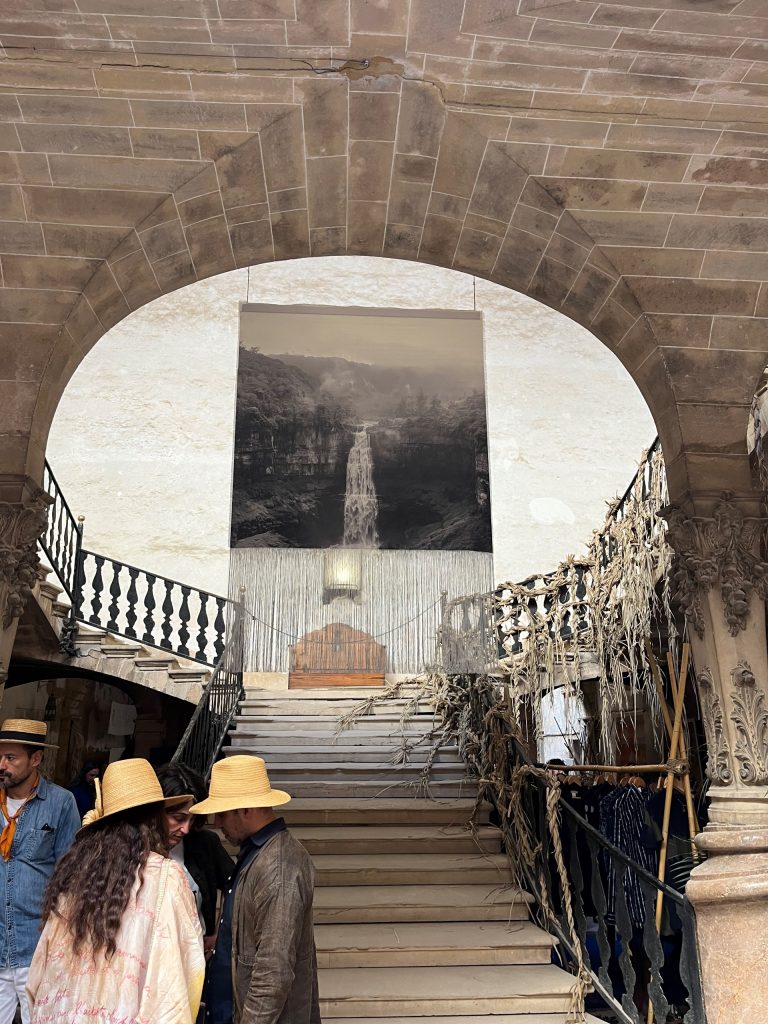
5. XTANT Textile Heritage Festival
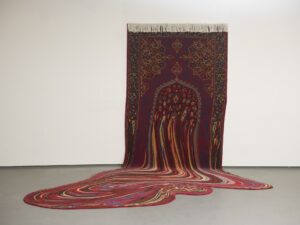
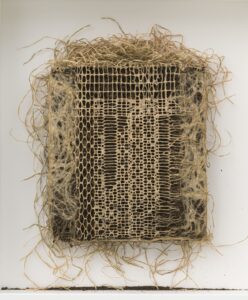
During this five-day, annual ‘heritage craft festival’, weavers and textile makers from around the world come together. Xtant, founded by Kavita Parmar and Marcella Echavarria, is a sensation for its integrity, intimacy and beauty. At the market, you’ll find the most exquisite handwoven textiles, dyed with plants. And at the exhibition, you’ll discover breathtaking work by exceptional textile artists working with centuries-old techniques.
6. Palmyra Sculpture Centre
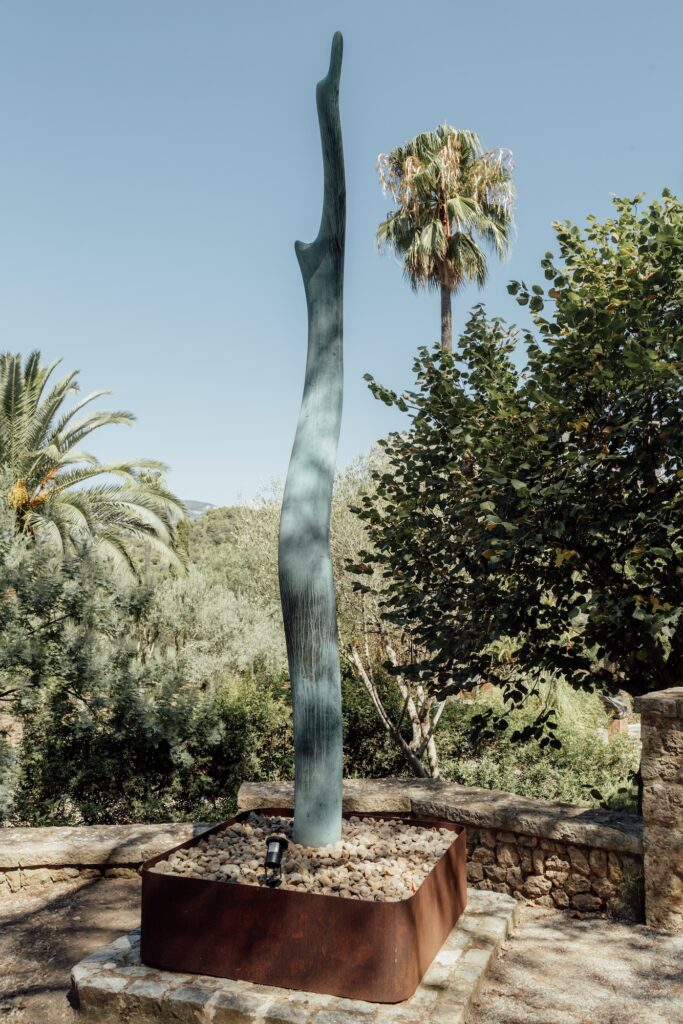
The sculptures rise above the tall grass like deer in a field. It is a rugged Mediterranean landscape, dotted with cacti, citrus and olive trees whose roots are so strong they pierce stone. The Palmyra Sculpture Centre lies in the hinterland of Mallorca, dominated by rocky outcrops that may obscure the view of the sea, but never the salty air. The site was founded by sculptor Ien van Wierst, who brings together her love of sculpture and landscape with a curator’s eye. Many of the works were made on commission, yet the atmosphere remains one of effortless freedom. For now, the centre can only be visited by appointment. A number of the sculptures are for sale, and there is also an artist-in-residence programme.
7. Port des Canonge
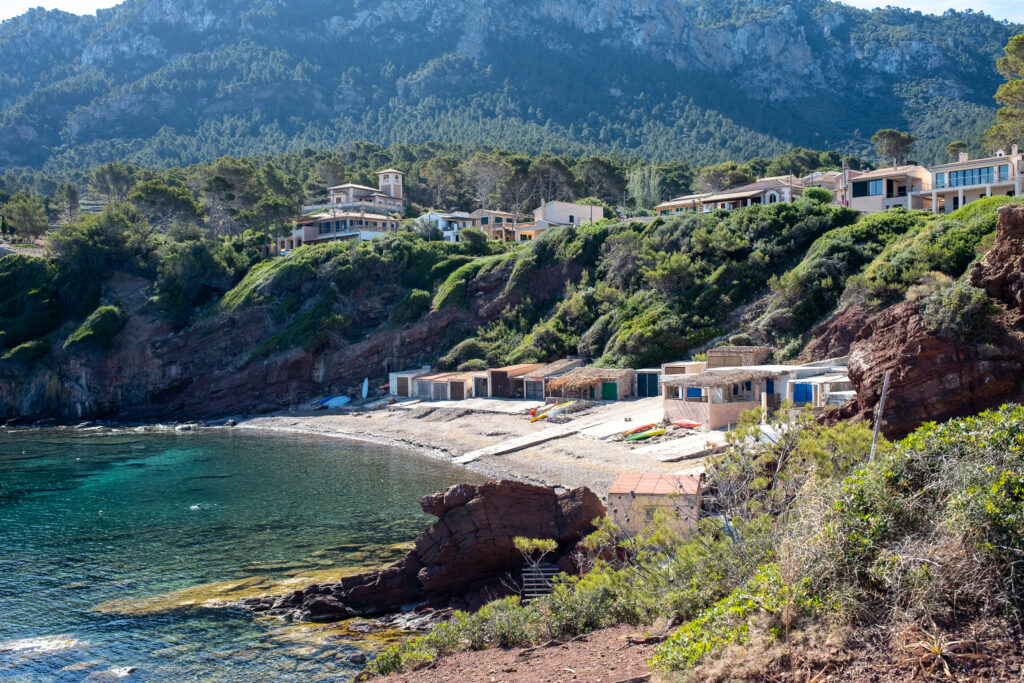
7. Port des Canonge
Port des Canonge is a small but delightful stony beach on Mallorca’s north-west coast. The old stone huts along the edge – escars – were once used by locals to store boats, and even now you’ll find small fishing boats that occupy part of the shore. There isn’t much room for sunbathing, but it is the ideal spot for a refreshing swim, surrounded by unspoilt nature. It is also the starting point for a beautiful walking route to Banyalbufar.
Recent stories
-
![Spread uit See All This no.40. foto: Katerina Bezedei]()
-
![]()
Rituals: ‘Not static or nostalgic, but alive’
-
![]()
Self-discipline: ‘Reality, rhythm and roots’
-
![]()
-
![]()
Nature: ‘An equal co-creator’
-
![]()
Collectivism: ‘Not driven by ego’
-
![]()
Animism: ‘Reverence for the forest and the river’
-
![]()
Human vs. machine: ‘The hopeless future’
-
![]()
Metamorphosis: ‘Manipulation is timeless’
-
![]()
Art Unlimited: Editorial #41
-
![]()
Asma’s Beauty Case: ‘History moves slowly’
-
![]()
BREAKING #307: ‘We are in what passes away’
-
![]()
BREAKING #306: ‘I’m not a performing monkey’
-
![]()
BREAKING #305: It grew dark, but we didn’t need any light.
-
![]()
Li’s Forecast #8: Patterns in textile
-
![]()
Asma’s Beauty Case: ‘Who am I actually working for?’
-
![David Claerbout The Woodcarver and the Forest]()
There’s No Movement Without Friction: Director David Claerbout on ‘The Woodcarver and the Forest’
-
![Magdalene Odundo, Untitled #7 (1994)]()
BREAKING #304: ‘If you have not stood face to face with something, it has simply not truly been known by you.’
-
![]()
BREAKING #303: ‘That dizzying, hopeless procession of transformations’
-
![Judy Chicago, Peeling Back, 1974. Jordan Schnitzer Family Foundation Collection. - Judy Chicago, Peeling Back, 1974. Offset fotolithografie op ragpapier, 72,39 × 55,88 cm. Collectie Jordan Schnitzer Family Foundation. © Judy Chicago / Artists Rights Society (ARS), New York. Foto © Donald Woodman / ARS, NY. Courtesy of the artist]()
The Making Of:: Judy Chicago in Amsterdam