Why Doctors Are Prescribing Art
10x When Art Becomes Medicine
‘Many of us tend to see art as entertainment or a form of escape – a kind of luxury. But it is so much more.’ In new research into the effects of art on the brain, Susan Magsamen and Ivy Ross made groundbreaking discoveries, including the finding that one or more artistic experiences per month can extend life by up to ten years. Ten insights that radically reshape our understanding of art.
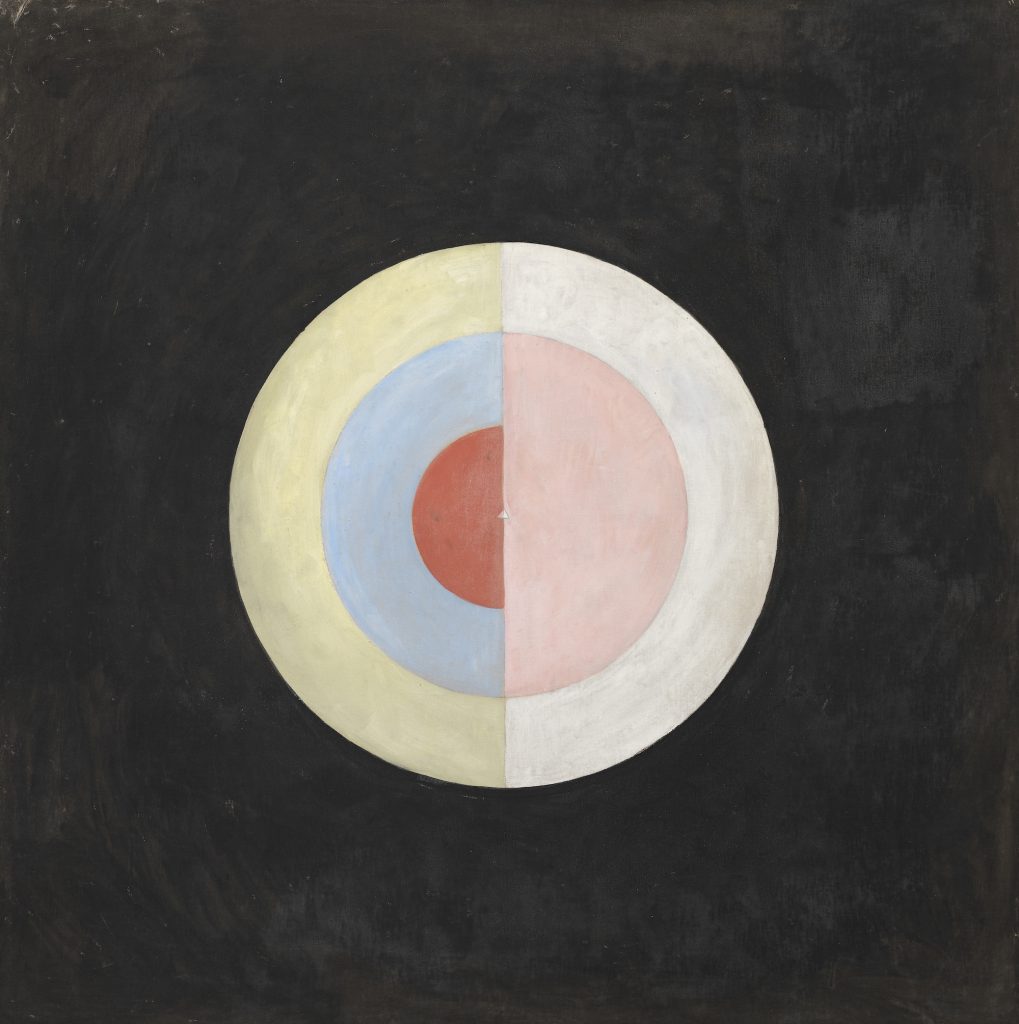
- Doctors are now prescribing ‘nature pills’, based on studies showing that spending time outdoors has a measurable effect on regulating our physiological systems.
- Working with your hands using clay, textiles and earth stimulates the skin and nerve endings and activates the body’s internal sensory receptors, creating an immediate sense of focus.
- Immersive and interactive exhibitions dissolve the boundaries between art and audience. They engage our senses and generate strong emotional responses that enhance learning and memory.
- One or more art experiences per month can extend your life by up to ten years.
- Just 45 minutes of making art lowers cortisol levels.
- Singing and humming activate the vagus nerve, which in turn stimulates the parasympathetic nervous system, promoting calm and relaxation.
- Playing music increases the size of the cerebral cortex, or grey matter, and strengthens neural pathways, supporting the development of cognitive skills.
- Epidemiological research shows that children who regularly engage in creative activities are less likely to develop social problems during adolescence.
- Light and sound can alter the progression of dementia.
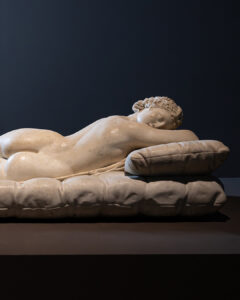
- Visiting museums is prescribed by doctors to improve sensory engagement and neuroplasticity, thereby enhancing cognitive abilities.
About the authors
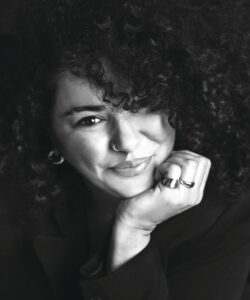
Susan Magsamen (1959) is the founder and director of the International Arts + Mind Lab Center for Applied Neuroaesthetics (IAM Lab), part of the Pedersen Brain Science Institute at the Johns Hopkins University School of Medicine in Baltimore. For more than forty years, she has worked at the intersection of science and art.
Ivy Ross (1955) is Vice President of Hardware Design at Google. Ross and her team designed the visual language of Google’s hardware products, launched in 2017, for which they have received more than 240 awards over the past three years. Earlier in her career, Ross designed jewellery that entered the collections of museums such as the Smithsonian Institution in Washington, D.C., and the Victoria and Albert Museum in London.
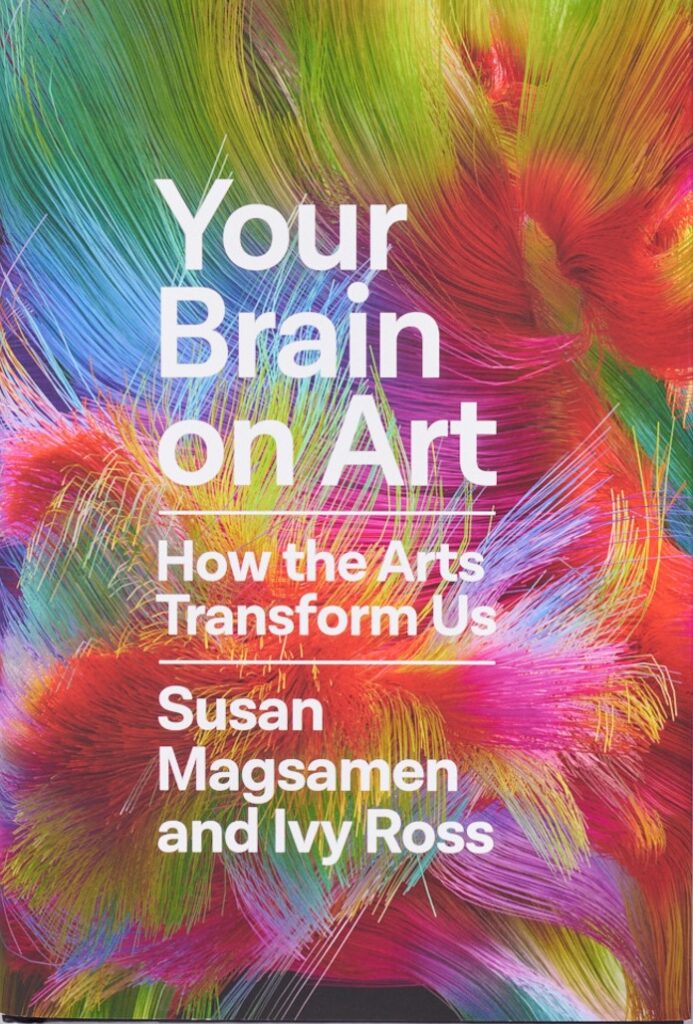
Your Brain on Art
Magsamen and Ross recently published Your Brain on Art, a book presenting groundbreaking research into the undeniable impact of art on physical and mental health. Read more here.
Recent stories
-
![]()
Self-discipline: ‘Reality, rhythm and roots’
-
![]()
Nature: ‘An equal co-creator’
-
![]()
Collectivism: ‘Not driven by ego’
-
![]()
Animism: ‘Reverence for the forest and the river’
-
![]()
Human vs. machine: ‘The hopeless future’
-
![]()
Metamorphosis: ‘Manipulation is timeless’
-
![]()
-
![]()
Art Unlimited: Editorial #41
-
![]()
Asma’s Beauty Case: ‘History moves slowly’
-
![]()
BREAKING #307: ‘We are in what passes away’
-
![]()
BREAKING #306: ‘I’m not a performing monkey’
-
![]()
BREAKING #305: It grew dark, but we didn’t need any light.
-
![]()
Li’s Forecast #8: Patterns in textile
-
![]()
Asma’s Beauty Case: ‘Who am I actually working for?’
-
![David Claerbout The Woodcarver and the Forest]()
There’s No Movement Without Friction: Director David Claerbout on ‘The Woodcarver and the Forest’
-
![Magdalene Odundo, Untitled #7 (1994)]()
BREAKING #304: ‘If you have not stood face to face with something, it has simply not truly been known by you.’
-
![]()
BREAKING #303: ‘That dizzying, hopeless procession of transformations’
-
![Judy Chicago, Peeling Back, 1974. Jordan Schnitzer Family Foundation Collection. - Judy Chicago, Peeling Back, 1974. Offset fotolithografie op ragpapier, 72,39 × 55,88 cm. Collectie Jordan Schnitzer Family Foundation. © Judy Chicago / Artists Rights Society (ARS), New York. Foto © Donald Woodman / ARS, NY. Courtesy of the artist]()
The Making Of:: Judy Chicago in Amsterdam
-
![1-54 Contemporary African Art Fair Marrakech]()
Morocco: a playground for progressive art: 1-54 in Marrakech
-
![Smileys van Maria Roosen]()
Li’s Forecast #7: Solid Energy