Rituals
‘Not static or nostalgic, but alive’
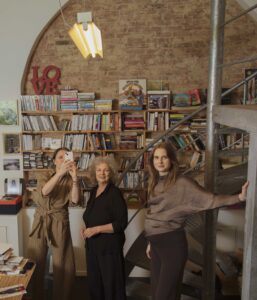
We asked seven curators and directors to look ahead. Which themes and trends will shape the conversation in the coming years? And which artists are already showing where it is headed? Adriana Gonzalez Hulshof is an art historian, director of Museum Kranenburgh in Bergen and member of the Supervisory Board of De Ateliers. She was founder and director of Amsterdam Art Weekend, worked for the Prince Claus Fund and developed art programmes for various (international) institutions.
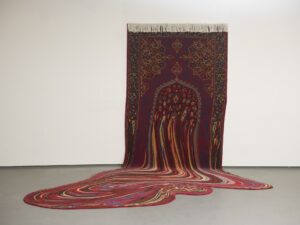
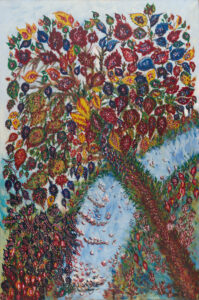
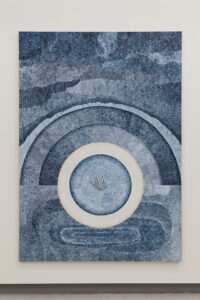
Traditions and rituals form the foundation of the identity and culture of a society, and provide a sense of grounding. In contemporary art they are not seen as static or nostalgic, but as living processes with room for renewal. Artists build on this foundation by stretching traditions with reverence and by reinterpreting or creating rituals.
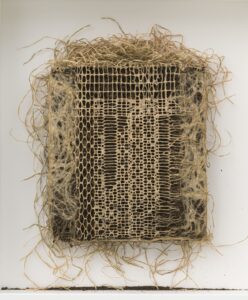
The attention to artisanal making processes is self-evident here: in the use of materials, craftsmanship and cyclical repetitions lie intrinsic rituals. At the same time, a craft-based process strengthens the artistic imagination of customs and rituals, and makes them tangible. At a time when AI and digital art are gaining ground, traditions and rituals prove to be an important source of inspiration and reflection.
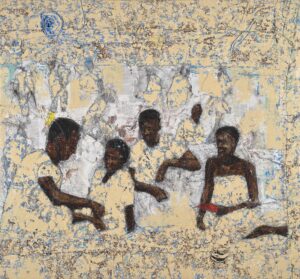
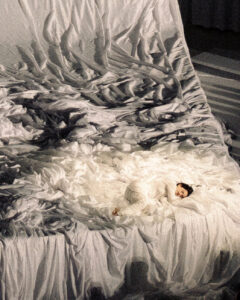
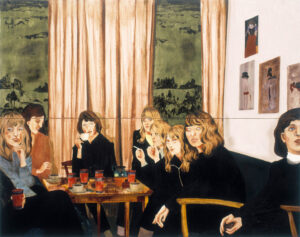
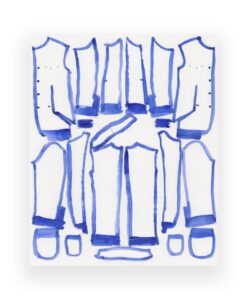
This is visible in the work of Adriana Ciudad (1980), who explores how tradition, care, birth and mourning come together in collective, yet intimate rituals. She identifies life stages and anchors personal experiences within a larger narrative. In the series Proyecto Alabaos, which includes paintings, a video installation and photography, Ciudad accompanies her mother in the final phase of her life, drawing on traditional rituals surrounding farewell and death. She connects her personal experience with the Alabaos: Afro-Colombian chants from the Pacific region that turn mourning into a collective process.
This is an article from See All This #41, spring 2026.
Recent stories
-
![]()
Rituals: ‘Not static or nostalgic, but alive’
-
![]()
Self-discipline: ‘Reality, rhythm and roots’
-
![]()
-
![]()
Nature: ‘An equal co-creator’
-
![]()
Collectivism: ‘Not driven by ego’
-
![]()
Animism: ‘Reverence for the forest and the river’
-
![]()
Human vs. machine: ‘The hopeless future’
-
![]()
Metamorphosis: ‘Manipulation is timeless’
-
![]()
Art Unlimited: Editorial #41
-
![]()
Asma’s Beauty Case: ‘History moves slowly’
-
![]()
BREAKING #307: ‘We are in what passes away’
-
![]()
BREAKING #306: ‘I’m not a performing monkey’
-
![]()
BREAKING #305: It grew dark, but we didn’t need any light.
-
![]()
Li’s Forecast #8: Patterns in textile
-
![]()
Asma’s Beauty Case: ‘Who am I actually working for?’
-
![David Claerbout The Woodcarver and the Forest]()
There’s No Movement Without Friction: Director David Claerbout on ‘The Woodcarver and the Forest’
-
![Magdalene Odundo, Untitled #7 (1994)]()
BREAKING #304: ‘If you have not stood face to face with something, it has simply not truly been known by you.’
-
![]()
BREAKING #303: ‘That dizzying, hopeless procession of transformations’
-
![Judy Chicago, Peeling Back, 1974. Jordan Schnitzer Family Foundation Collection. - Judy Chicago, Peeling Back, 1974. Offset fotolithografie op ragpapier, 72,39 × 55,88 cm. Collectie Jordan Schnitzer Family Foundation. © Judy Chicago / Artists Rights Society (ARS), New York. Foto © Donald Woodman / ARS, NY. Courtesy of the artist]()
The Making Of:: Judy Chicago in Amsterdam
-
![1-54 Contemporary African Art Fair Marrakech]()
Morocco: a playground for progressive art: 1-54 in Marrakech