Morocco: a playground for progressive art
1-54 in Marrakech
The 1-54 Contemporary African Art Fair returns to Marrakech this February. A fair that brings together generations, geographies and diaspora – and positions Africa as a centre of contemporary art.
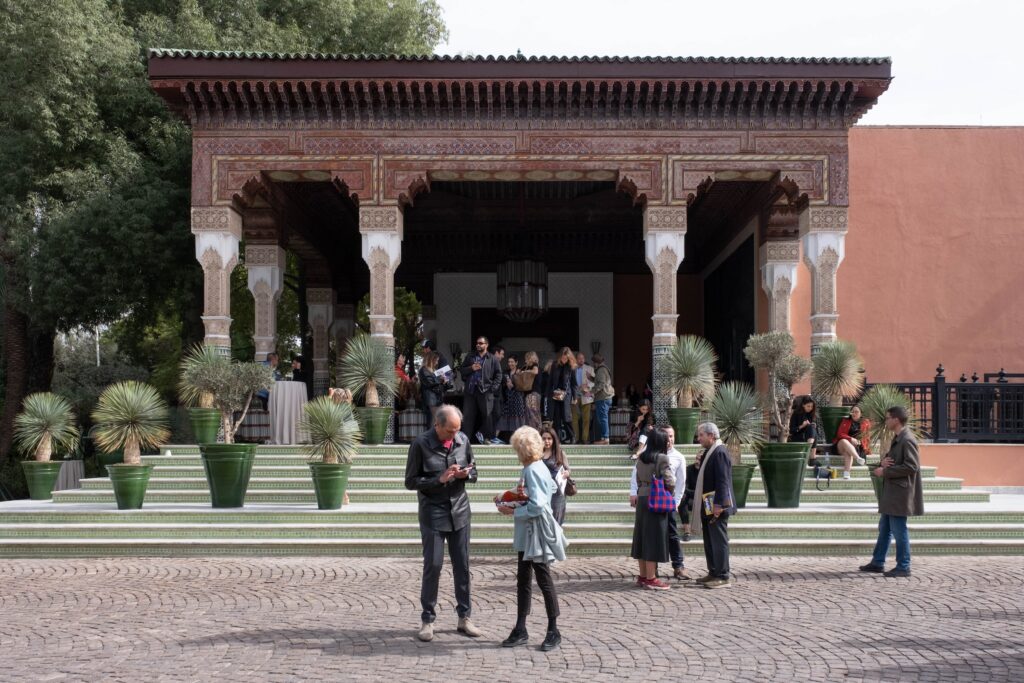
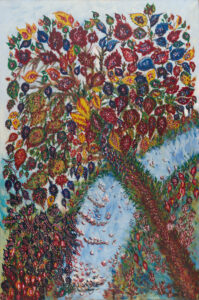
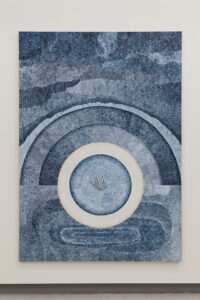
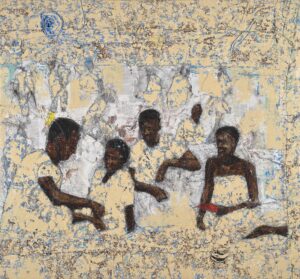
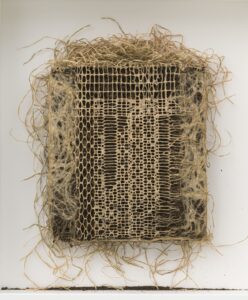
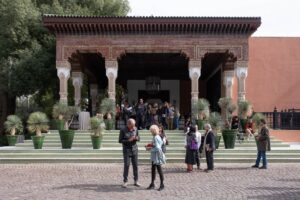
Each edition of the 1-54 Contemporary African Art Fair in Marrakech feels like a season opening – not only of the cultural year, but of a new narrative. In 2026, the fair returns to the city, taking place at the fairytale setting of La Mamounia Hotel and the multidisciplinary gallery Dada, with the same promise that has defined it since its founding: Africa as a centre of artistic production and intellectual debate.
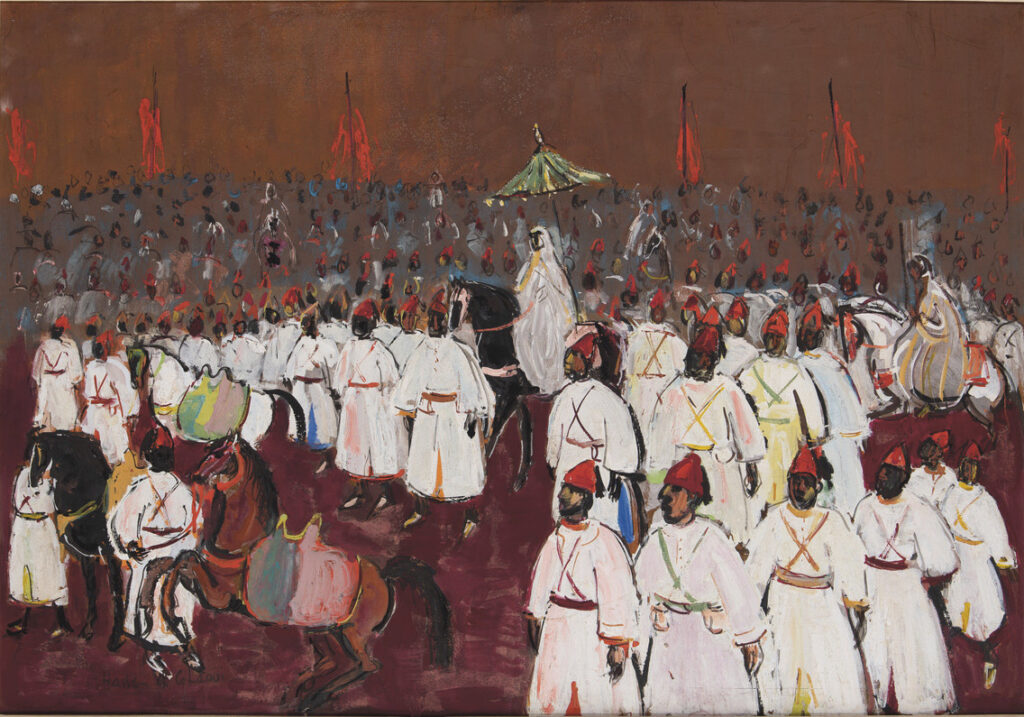
The fair was founded in 2013 by Touria El Glaoui, daughter of the legendary Moroccan painter Hassan El Glaoui (1923–2018), known for his figurative paintings of horsemen, landscapes and courtly life. Touria’s personal history forms a strong foundation. She grew up among studios, exhibitions and conversations about art and diplomacy, witnessing first-hand how African artists were structurally underrepresented in the international art world. What began as a personal observation evolved into a platform with a clear premise: African art is not a separate chapter, nor a footnote, but deserves a fully recognised place in both art history and its future. And so the 1-54 fair was born. With editions in London and New York, it brings art from Africa to audiences around the world.
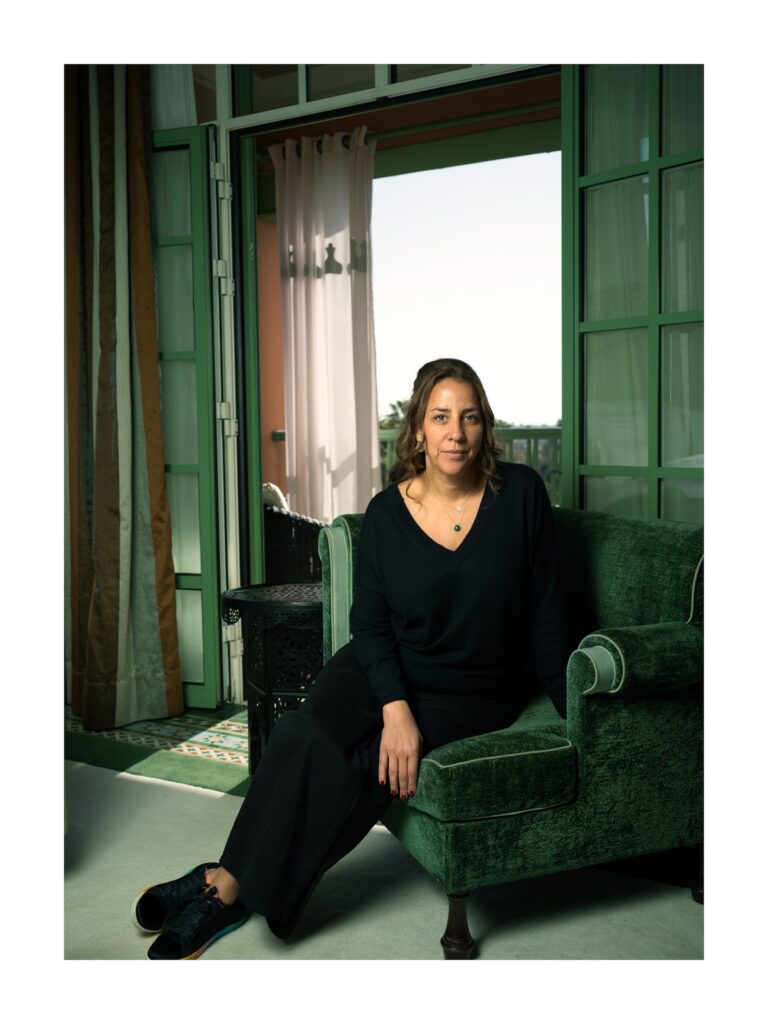
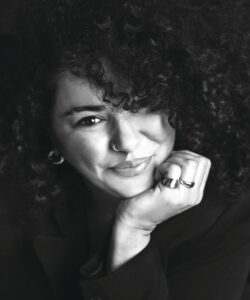
What feels so palpable to me in Marrakech, as a Moroccan-Dutch woman, is the way this fair brings generations and geographies together. Increasing numbers of artists and visitors from the Moroccan diaspora – from France, the Netherlands, Belgium and Spain – travel to the fair. For many, it is a renewed encounter with a country that has always felt like ‘home’, yet was rarely seen as a site of contemporary cultural production. The fair offers an alternative narrative: Morocco as a playground for progressive art, technology, performance and visual language.
From my perspective, this marks a significant turning point. For a long time, Morocco was a place of memories and holidays, of family and warmth – but rarely of the future. 1-54 rewrites that image. Here, the conversation is not limited to identity or struggle, but extends to technique, texture, formal experimentation and pop culture. There is space for sculpture, digital art, installations and performances. There is room for dialogue – and above all, for complexity.
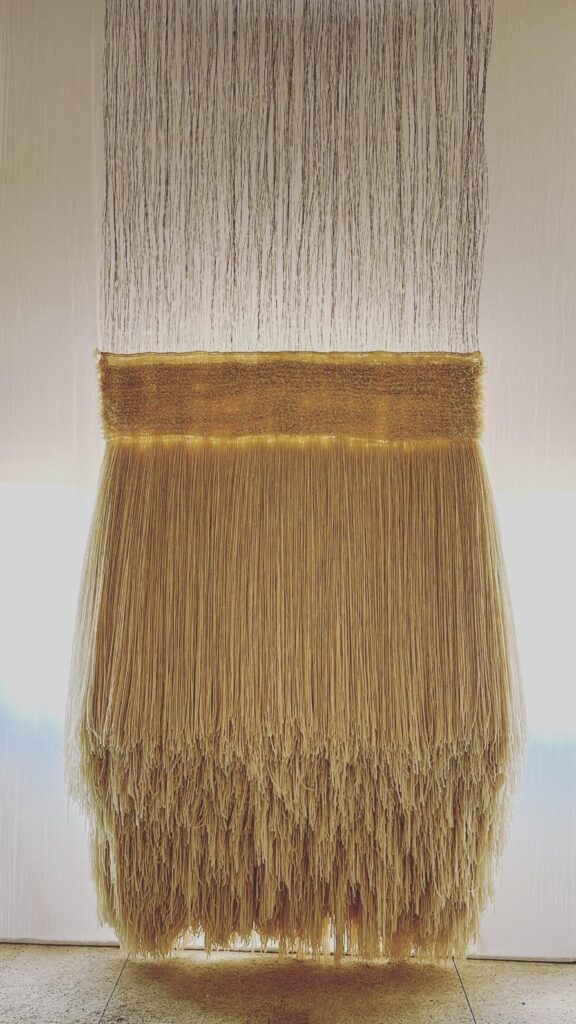
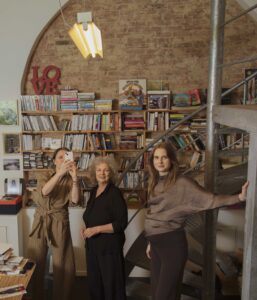
The Marrakech edition also has a unique atmosphere. Not only because of its location, but because of the way the programme is woven into the social fabric of the city. Lunches, dinners and visits to collectors’ homes function as informal salons. Last year, for instance, visitors were welcomed at Jnane Rumi, a beautifully appointed hotel owned by Gert-Jan and Corinne van den Bergh, which serves as a kind of Dutch pavilion where diaspora artists and local makers come together around a carefully built collection. It is emblematic of what this fair does: anchoring art in hospitality.
That hospitality is a cultural skill. What strikes me time and again is the adaptability of the people who work here – in hotels, restaurants and exhibition spaces. The ease with which French, Spanish, English, Tamazight and Darija flow into one another. The natural way in which visitors from Benin, Côte d’Ivoire, France or Los Angeles are received. In a country where a middle class is scarcely visible, international refinement is carried by human intelligence. That deserves recognition.
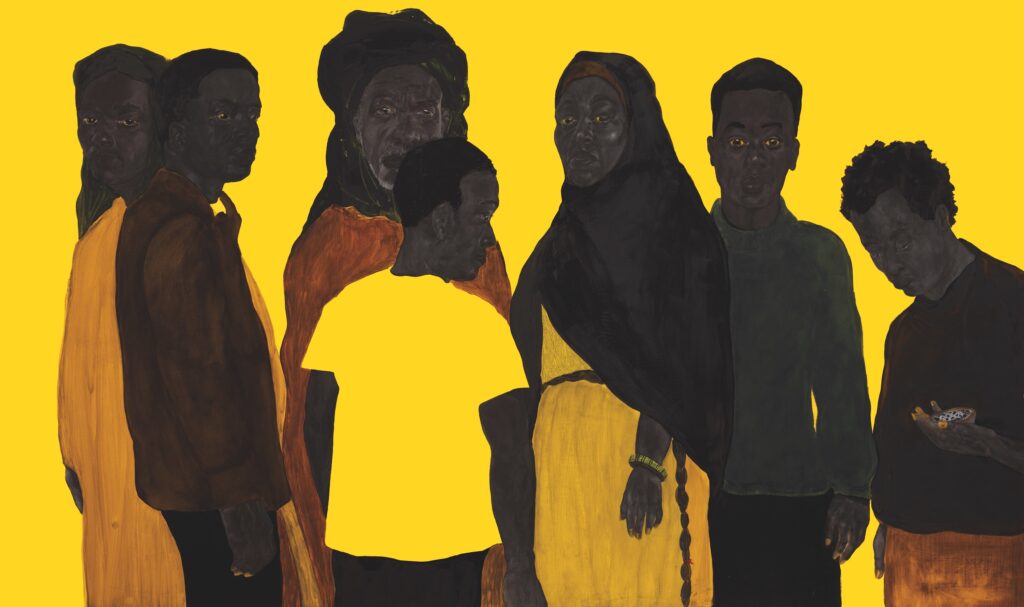
The global attention currently focused on Morocco – fuelled in part by sporting achievements and geopolitical visibility – is now also creating space for artistic reappraisal. For African artists worldwide, this means their work no longer needs to be legitimised in advance. The frame is shifting. Their art forms part of a broader African language of the future.
The 1-54 fair brings the continent together without reducing it. It does not present a homogeneous Africa, but a plural reality – urban, spiritual, technological, sensual, political and poetic all at once. In a sense, Touria El Glaoui takes up her father’s paintbrush once more through this fair. With the continent as her canvas, she paints a picture of what Africa can be. Or rather, what it already is.
Those who visit Marrakech during this edition step into a curated and cultivated landscape. And those not yet familiar with the fair would do well to put it on their agenda now. Because African contemporary art is taking its place – as she should.
1-54 Contemporary African Art Fair Marrakech, A Gesture from Elsewhere / Ce geste vient d’ailleurs, takes place from 5 until 12 February 2026. Read more about it here.
Recent stories
-
![]()
Self-discipline: ‘Reality, rhythm and roots’
-
![]()
Nature: ‘An equal co-creator’
-
![]()
Collectivism: ‘Not driven by ego’
-
![]()
Animism: ‘Reverence for the forest and the river’
-
![]()
Human vs. machine: ‘The hopeless future’
-
![]()
Metamorphosis: ‘Manipulation is timeless’
-
![]()
-
![]()
Art Unlimited: Editorial #41
-
![]()
Asma’s Beauty Case: ‘History moves slowly’
-
![]()
BREAKING #307: ‘We are in what passes away’
-
![]()
BREAKING #306: ‘I’m not a performing monkey’
-
![]()
BREAKING #305: It grew dark, but we didn’t need any light.
-
![]()
Li’s Forecast #8: Patterns in textile
-
![]()
Asma’s Beauty Case: ‘Who am I actually working for?’
-
![David Claerbout The Woodcarver and the Forest]()
There’s No Movement Without Friction: Director David Claerbout on ‘The Woodcarver and the Forest’
-
![Magdalene Odundo, Untitled #7 (1994)]()
BREAKING #304: ‘If you have not stood face to face with something, it has simply not truly been known by you.’
-
![]()
BREAKING #303: ‘That dizzying, hopeless procession of transformations’
-
![Judy Chicago, Peeling Back, 1974. Jordan Schnitzer Family Foundation Collection. - Judy Chicago, Peeling Back, 1974. Offset fotolithografie op ragpapier, 72,39 × 55,88 cm. Collectie Jordan Schnitzer Family Foundation. © Judy Chicago / Artists Rights Society (ARS), New York. Foto © Donald Woodman / ARS, NY. Courtesy of the artist]()
The Making Of:: Judy Chicago in Amsterdam
-
![1-54 Contemporary African Art Fair Marrakech]()
Morocco: a playground for progressive art: 1-54 in Marrakech
-
![Smileys van Maria Roosen]()
Li’s Forecast #7: Solid Energy