De Proeftuin
Six years ago, the field was as flat and green as the surrounding meadows and has now, through rewilding and the creation of a pond, become a young oasis. It is De Proeftuin of Anke Riesenkamp, who keeps a garden diary for See All This and shares tips for the garden and beyond.
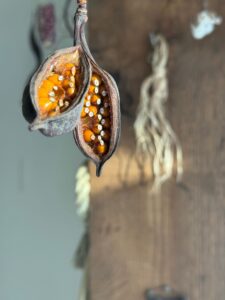
In my pockets there are always seeds ‒ usually smooth magic beans. Absentmindedly I gather and scatter them on my travels, during walks and out in the field. In this way I take part in the ingenious system by which seeds move across the world. For seeds possess extraordinary powers that allow them to arrive in the right place at the right time. They drift on the wind with ingenious wings or gossamer fluff, or carry an air chamber and a waterproof skin, trusting that rivers and ocean currents will carry them to fertile shores. There are seeds that travel with animals by clinging themselves with microscopic hooks to fur or clothing. Enticing berries journey through the stomachs of birds and mammals. Some seeds, such as the Himalayan balsam, are catapulted by their mother plant at the slightest touch.
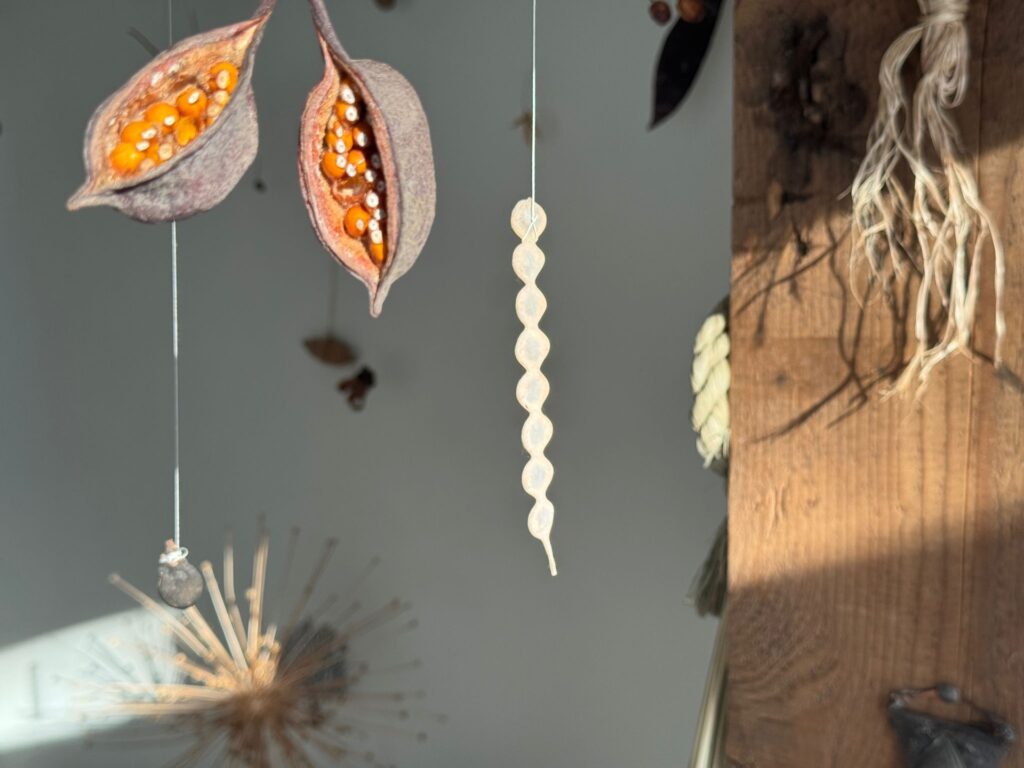
It is astonishing how much our lives, and that of the planet, rely on the growing power of the billions of kinds of seeds. They lie at the foundation of our oxygen, our food and our landscapes. For centuries, humans selected the finest seeds for the next harvest. Seed breeding as a quiet collaboration with nature. After the Second World War, that relationship slowly began to shift. Agriculture industrialised, newly bred varieties promised higher yields, for a price. And in the decades that followed, the shift continued: seeds were genetically modified and often rendered sterile so that farmers must purchase new seed each year. Since the 1990s, seeds have quietly been legally appropriated and secured through patents. By now, more than half of that global trade is controlled by a handful of major players, agrochemical companies such as Bayer and Syngenta, who gain increasing control over what was once a common good. Seeds no longer travel freely on wings, but with contracts and conditions. Biodiversity, food security and the independence of farmers are increasingly under pressure. At the same time, a global web of dedicated seed keepers is growing: people with deep local knowledge, farmers’ cooperatives and organisations committed to free seeds and biodiversity. One such person is the devoted Indian farmer and conservationist Rahibai Soma Popere, known as the ‘Seed Mother’, for whom collecting and passing on old and indigenous varieties is a life’s work. Her vision: ‘Whoever controls the seed, controls life. That is why seed must belong to everyone.’ In my studio I store and admire the wild seeds I harvest in De Proeftuin. I will sow, share and exchange with anyone who wishes.
1. DA DA DAHLIA
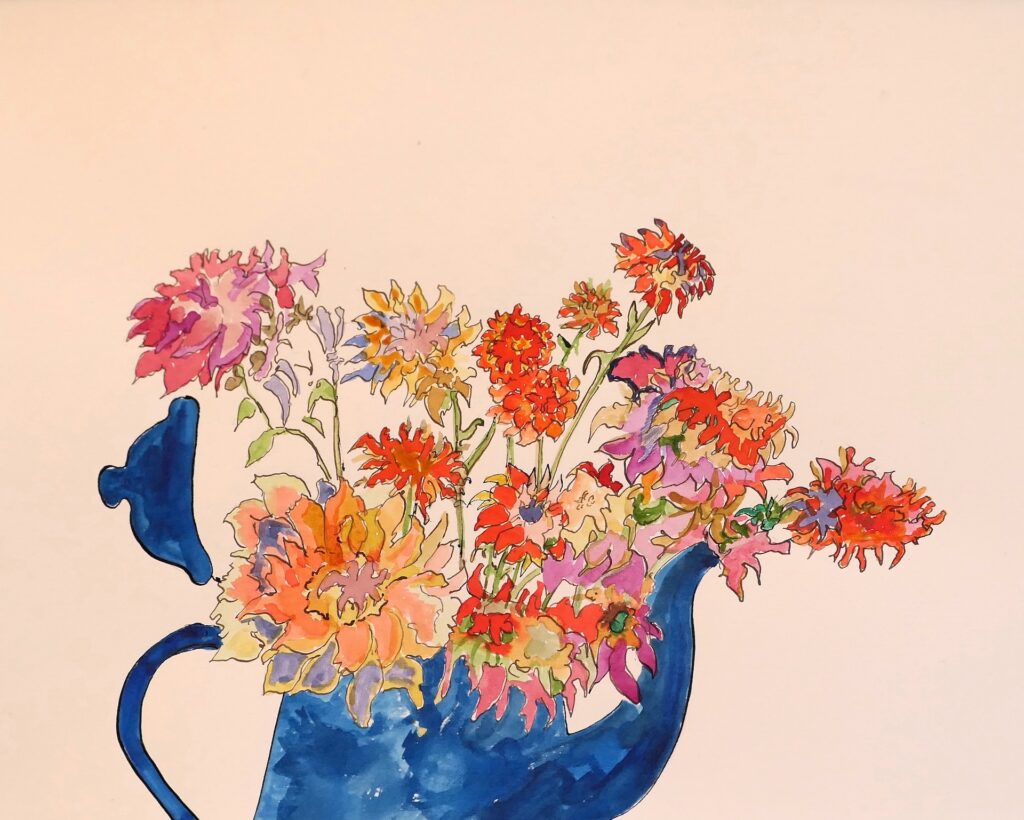
The Aztecs regarded the dahlia as a sacred flower, and used its tubers as food and medicine. Together with PuurBio, we have once again put together a unique box this year with 5 different types of dahlias, for abundant blooms and the first pesticide-free nectar in spring. Suitable for garden and balcony. Visit the shop >
2. MASTERCLASSES
2. MASTERCLASSES
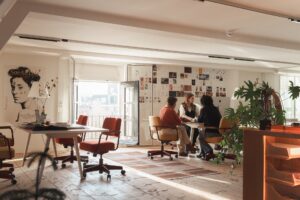
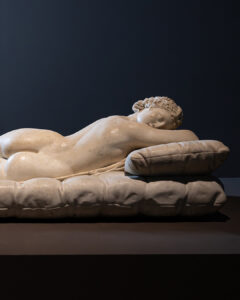
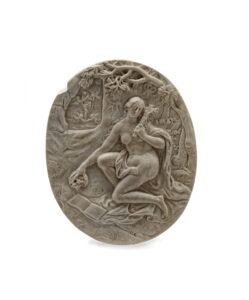
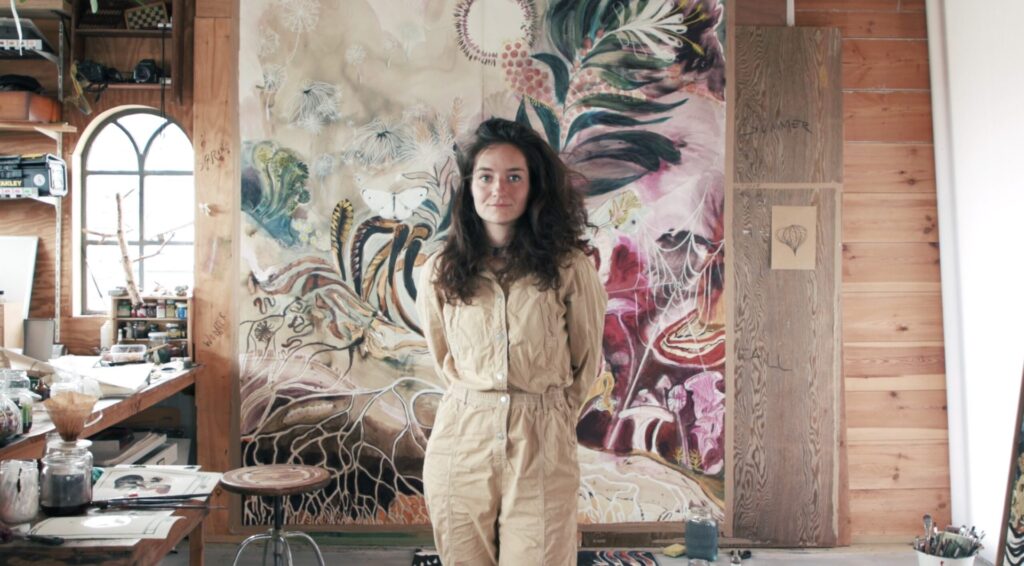
Join us on Sundays in May and June at De Proeftuin for a new series of masterclasses with artists. With Sophie Steengracht, you will work with natural pigments and ink on paper. With Paula Biemans, you will delve into polder clay and create a divine Venus. With writer and artist Jannie Regnerus, you will search for language to describe nature in meticulous detail. With Suzette Bouwsema, you will observe lichens up close. Sign up here.
3. CREATE YOUR OWN TEA TOWEL
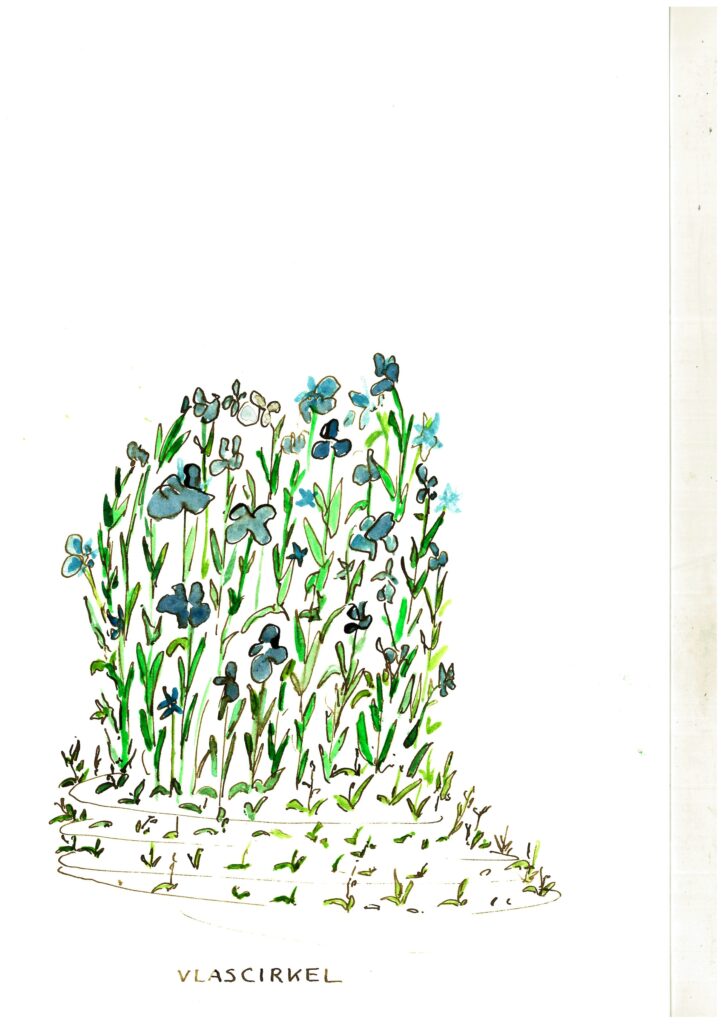
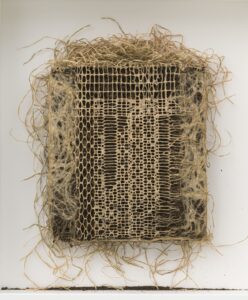
One of the circles in De Proeftuin this year is dedicated to 1m² of flax, part of The Linen Project. Order your flax seeds and take part: sow the flax and follow the growing process up close. The Linen Project will guide you through newsletters and webinars on the sowing, harvesting and processing. In autumn, you can learn to spin threads from this flax at De Proeftuin.
4. ANOUK GRIFFIOEN IN KRÖLLER-MÜLLER MUSEUM
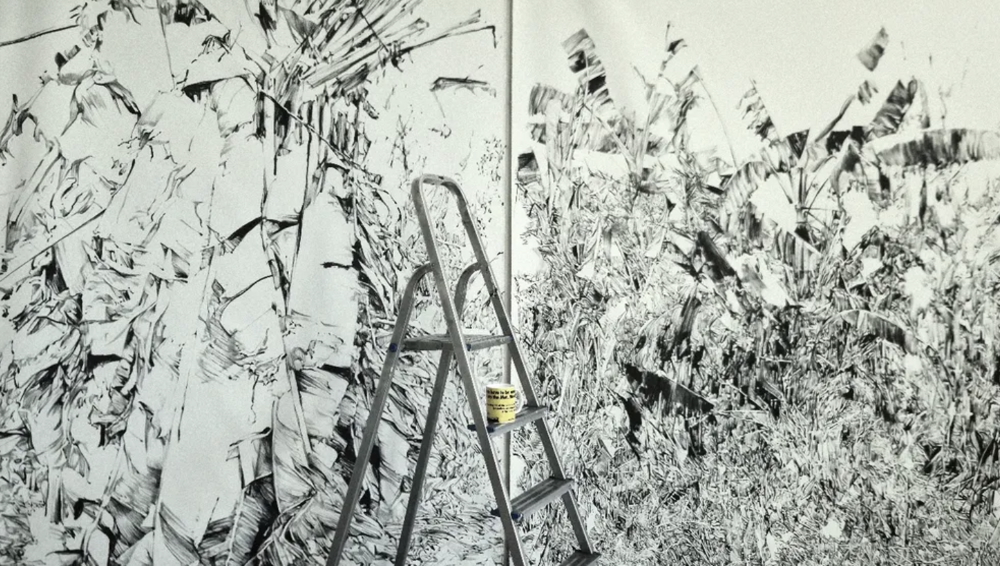
4. ANOUK GRIFFIOEN IN KRÖLLER-MÜLLER MUSEUM
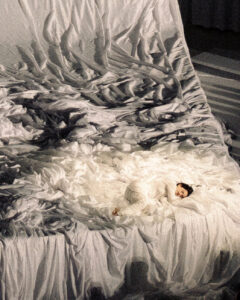
Last spring, Anouk Griffioen took me into her world of shadow and light in De Proeftuin, which she captures in charcoal in an inimitable way. Her striking drawings, reflecting her deep fascination with memory and the transience of nature, are on view until 20 September in the exhibition For as Long as it Lasts, at the Kröller-Müller Museum.
This is an article from See All This #41.
Recent stories
-
![]()
-
![Spread uit See All This no.40. foto: Katerina Bezedei]()
-
![]()
Rituals: ‘Not static or nostalgic, but alive’
-
![]()
Self-discipline: ‘Reality, rhythm and roots’
-
![]()
-
![]()
Nature: ‘An equal co-creator’
-
![]()
Collectivism: ‘Not driven by ego’
-
![]()
Animism: ‘Reverence for the forest and the river’
-
![]()
Human vs. machine: ‘The hopeless future’
-
![]()
Metamorphosis: ‘Manipulation is timeless’
-
![]()
Art Unlimited: Editorial #41
-
![]()
Asma’s Beauty Case: ‘History moves slowly’
-
![]()
BREAKING #307: ‘We are in what passes away’
-
![]()
BREAKING #306: ‘I’m not a performing monkey’
-
![]()
BREAKING #305: It grew dark, but we didn’t need any light.
-
![]()
Li’s Forecast #8: Patterns in textile
-
![]()
Asma’s Beauty Case: ‘Who am I actually working for?’
-
![David Claerbout The Woodcarver and the Forest]()
There’s No Movement Without Friction: Director David Claerbout on ‘The Woodcarver and the Forest’
-
![Magdalene Odundo, Untitled #7 (1994)]()
BREAKING #304: ‘If you have not stood face to face with something, it has simply not truly been known by you.’
-
![]()
BREAKING #303: ‘That dizzying, hopeless procession of transformations’