Asma’s Beauty Case
‘History moves slowly’
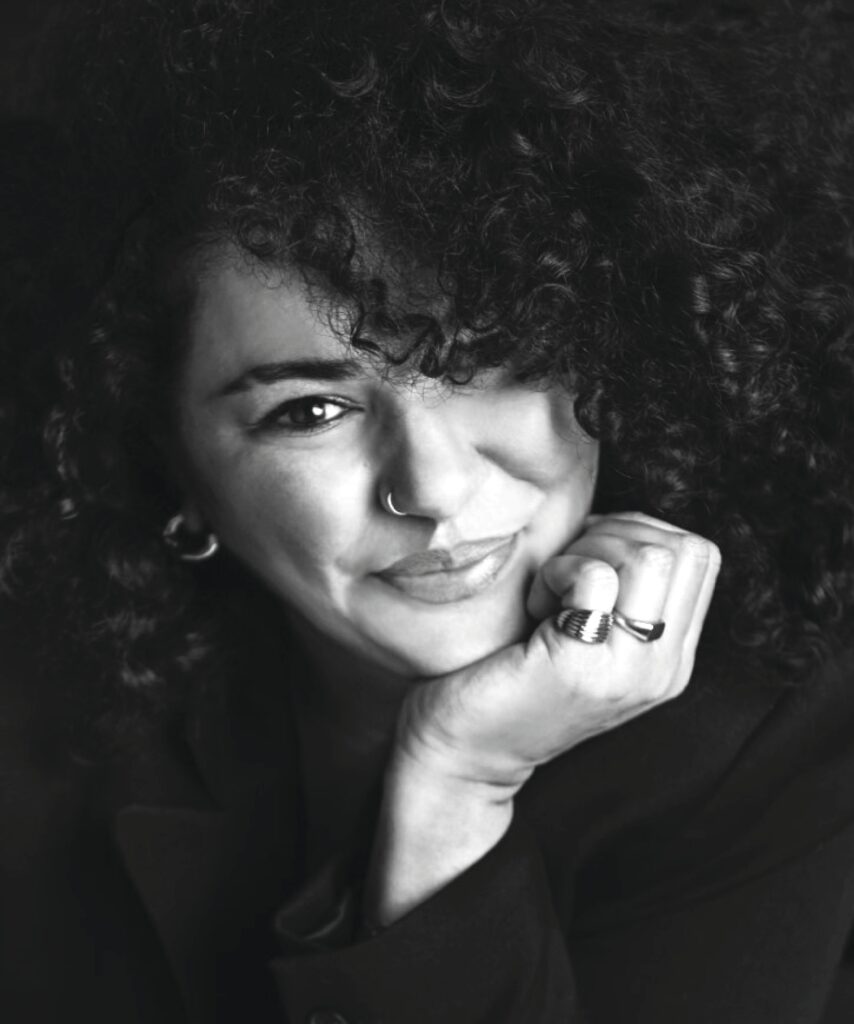
At TEFAF, layers of time seem to overlap. For Asma el Ghalbzouri, the fair is a place where history, religion and contemporary art are in unexpected dialogue with one another.
I have always found contemporary art complicated. Not because it doesn’t interest me, quite the opposite. Art of this time is often brilliant, urgent, sometimes even visionary. But it also carries the weight of the world: identity, politics, diaspora, inequality. For many artists today, art is the place where all these questions converge.
As a daughter of the diaspora, I recognise that instinctively. It is often the first framework through which you learn to look at art. But it was not my first love.
My first love was history. It began in primary school, with a presentation about ancient Egypt. Pyramids, pharaohs, the afterlife – a world in which religion, power and art flowed seamlessly into one another.
The following year came a second presentation, about the Koh-i-Noor, one of the largest diamonds in the world. That small subject turned out to be a doorway to an immense universe. Suddenly I found myself diving into the history of India: its regions, languages, dynasties, cuisines. The idea that a country could be so vast that a different language is spoken every few hundred kilometres fascinated me.
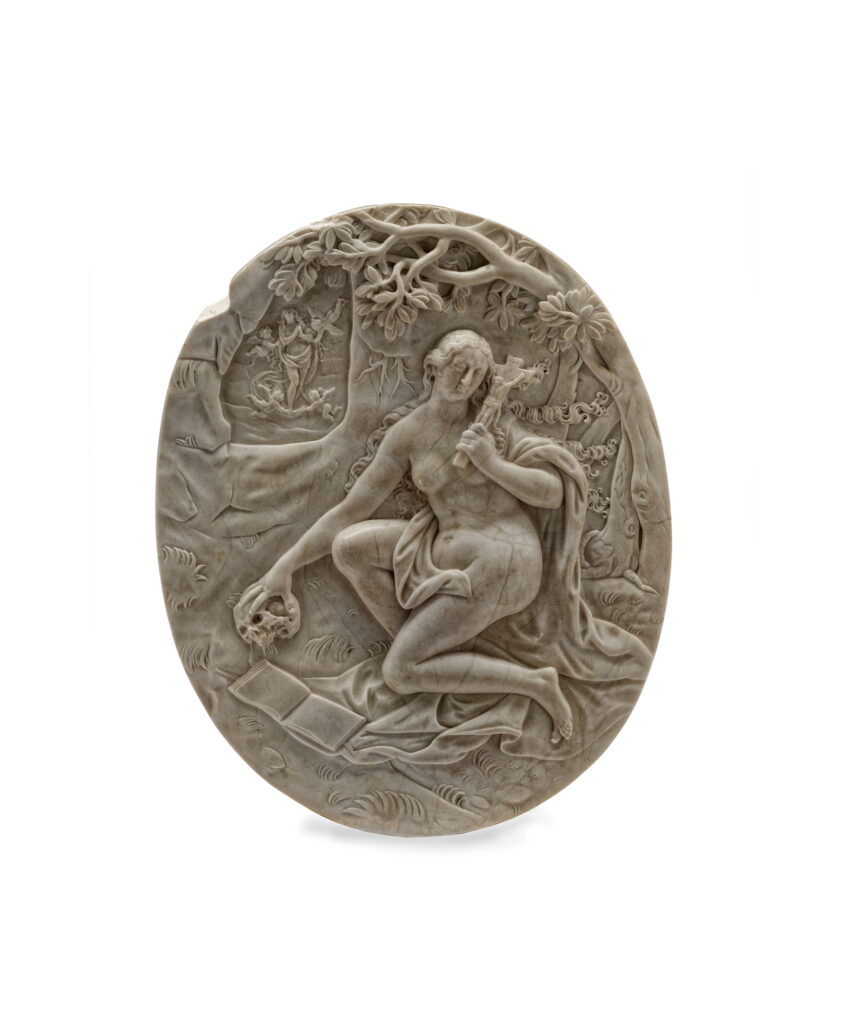
From that moment on, I was hooked. Not only on history, but also on the structures behind it: power, religion, theology. My grandfather was a theologian. Perhaps it began there. Religion was never a dogma in our family, but a conversation. My father told stories about the Islam. And somewhere in between these things, I began reading myself: about Judaism, about mysticism, about the ways religions constantly influence one another.
Then, during my teenage years, came Henry VIII. Anyone who knows me well knows that my fascination with him borders on the obsessive. The six wives – among them Anne Boleyn, Catherine of Aragon, Jane Seymour and Anne of Cleves – the intrigues, the power.
In the sixteenth century, Henry VIII wanted to dissolve his marriage with Catherine of Aragon. When the Pope refused, Henry declared himself head of the Church of England. What began as a personal decision became a religious rupture that transformed the entire country. Anyone who thinks that church and state in the West are fully separated only needs to look at England. There, that separation has never quite happened.
History is rarely as neat as we try to make it look in hindsight.
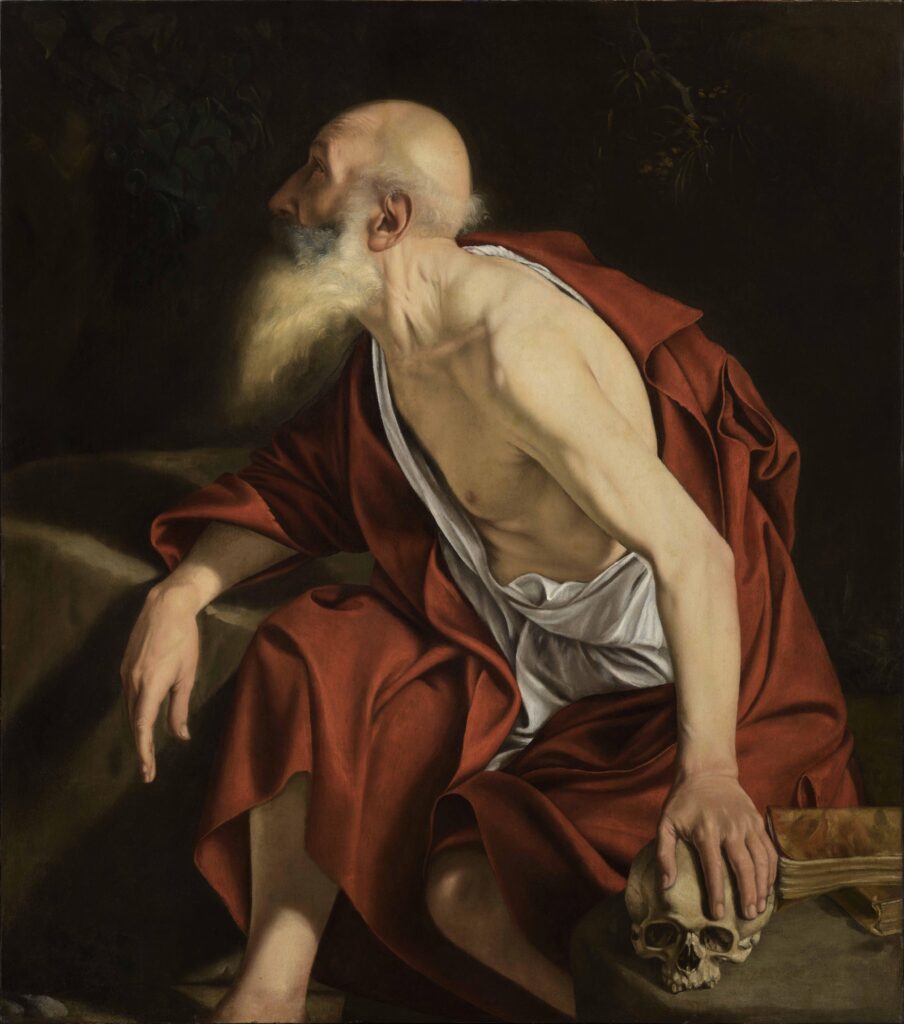
Last month I was sitting at a long table in Marrakech during the 1-54 Contemporary African Art Fair. Next to me sat a young minister from England, half Jamaican, half British. Opposite him sat his partner, a Greek man. An Anglican clergyman and his partner, together at the table in Morocco, surrounded by artists, curators and collectors.
We talked about theology. About how faith adapts to the times. About how institutions change slowly. And about how my grandfather used his religious background to help and support people.
Once I got home, I immediately put the series The Tudors on again. And I thought about Henry VIII. About how a decision made in the sixteenth century still echoes in the structure of a church – and how that same church can now have a minister who, centuries later, sits at a table with his partner on the other side of the world.
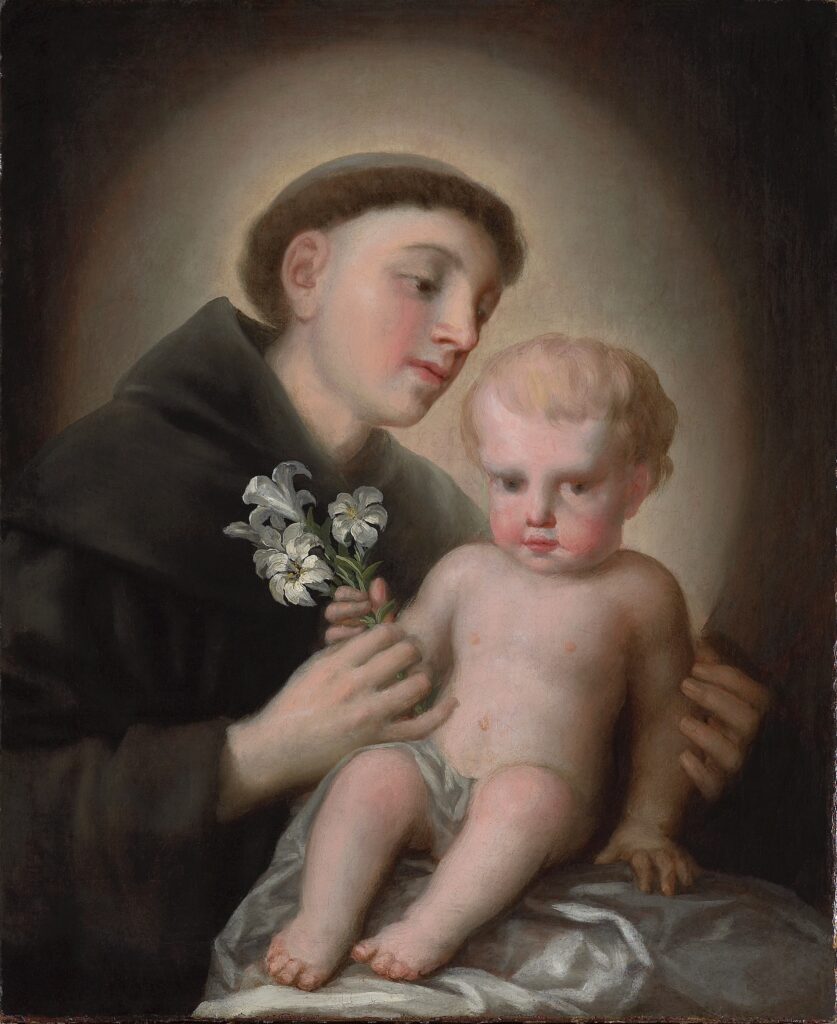
‘Perhaps that is ultimately what art has always been: a way to continue to built on what was already there’
History moves slowly.
Perhaps that is also why I enjoy going to TEFAF so much. To me, the fair feels like a place where layers of time overlap. Theology alongside modern art, medieval manuscripts beside contemporary paintings.
At galleries such as Colnaghi or David Aaron, you find yourself looking at objects from ancient Greece or Rome. A little further on, there are jewels exhibited that once connected dynasties. And somewhere in a display case there may be a religious manuscript, written by hand centuries ago.
What always moves me about TEFAF is that you suddenly realise how old our questions really are. About power, faith, love, identity. We sometimes think that contemporary art is asking these questions anew. But they have always been there. Only the language changes.
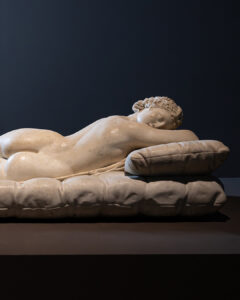
A Roman sculptor carving a body from marble. A monk copying a religious text. An artist today trying to understand who he is in a world full of borders.
They are all variations of the same human impulse. Perhaps that is ultimately what art has always been: a way to continue to built on what was already there.
If you happen to see me walking around at TEFAF and recognise me, please do come and say hello. I am always curious to hear which work made you stop and look.
TEFAF Maastricht takes place from 14-19 March 2026.
Recent stories
-
![Spread uit See All This no.40. foto: Katerina Bezedei]()
-
![]()
Rituals: ‘Not static or nostalgic, but alive’
-
![]()
Self-discipline: ‘Reality, rhythm and roots’
-
![]()
-
![]()
Nature: ‘An equal co-creator’
-
![]()
Collectivism: ‘Not driven by ego’
-
![]()
Animism: ‘Reverence for the forest and the river’
-
![]()
Human vs. machine: ‘The hopeless future’
-
![]()
Metamorphosis: ‘Manipulation is timeless’
-
![]()
Art Unlimited: Editorial #41
-
![]()
Asma’s Beauty Case: ‘History moves slowly’
-
![]()
BREAKING #307: ‘We are in what passes away’
-
![]()
BREAKING #306: ‘I’m not a performing monkey’
-
![]()
BREAKING #305: It grew dark, but we didn’t need any light.
-
![]()
Li’s Forecast #8: Patterns in textile
-
![]()
Asma’s Beauty Case: ‘Who am I actually working for?’
-
![David Claerbout The Woodcarver and the Forest]()
There’s No Movement Without Friction: Director David Claerbout on ‘The Woodcarver and the Forest’
-
![Magdalene Odundo, Untitled #7 (1994)]()
BREAKING #304: ‘If you have not stood face to face with something, it has simply not truly been known by you.’
-
![]()
BREAKING #303: ‘That dizzying, hopeless procession of transformations’
-
![Judy Chicago, Peeling Back, 1974. Jordan Schnitzer Family Foundation Collection. - Judy Chicago, Peeling Back, 1974. Offset fotolithografie op ragpapier, 72,39 × 55,88 cm. Collectie Jordan Schnitzer Family Foundation. © Judy Chicago / Artists Rights Society (ARS), New York. Foto © Donald Woodman / ARS, NY. Courtesy of the artist]()
The Making Of:: Judy Chicago in Amsterdam