Animism
‘Reverence for the forest and the river’
We asked seven curators and directors to look ahead. Which themes and trends will shape the conversation in the coming years? And which artists are already showing where things are headed? Lidewij Edelkoort is a forecaster, publisher, curator and founder of The World Hope Forum, an online platform highlighting local role models who have developed new social, economic, cultural or artisanal practices, with a focus on hope rather than wins.
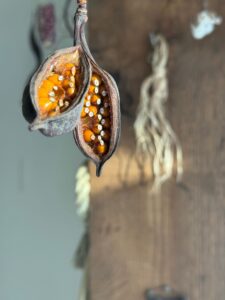
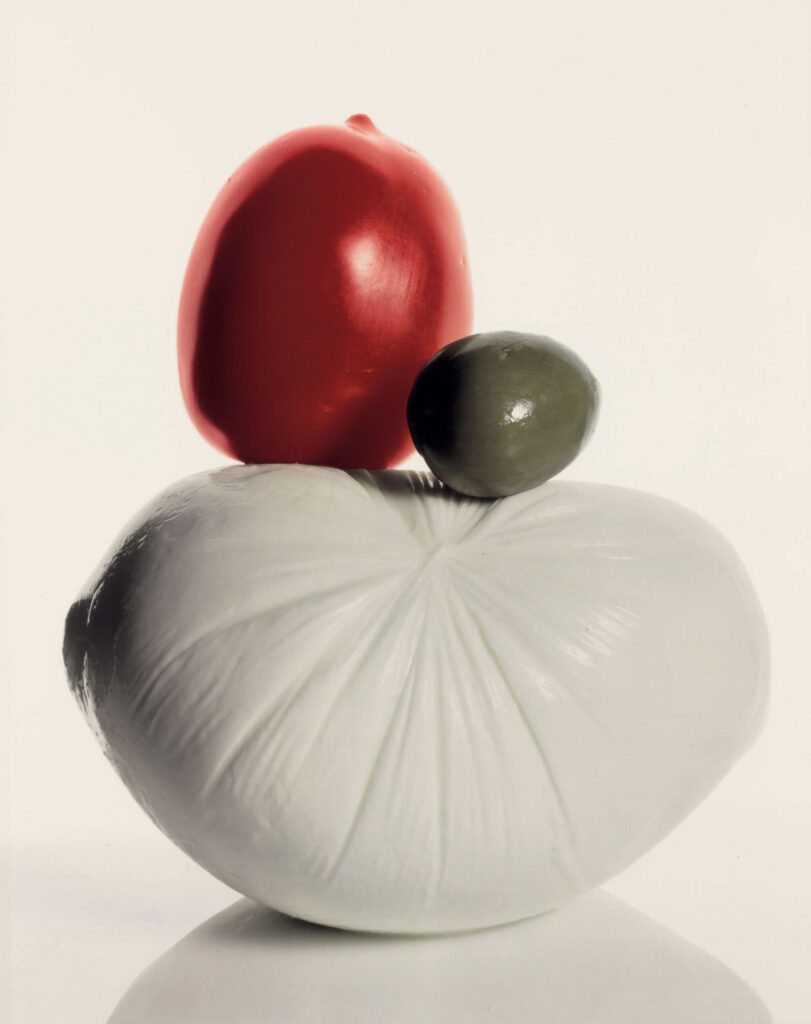
People talk to their cats and plants as if it were the most natural thing in the world, and worship their smartphone as a fetish. This is fundamentally animistic behaviour. The term refers to life, spirit and breath. Animism is the belief that all surroundings, objects and beings possess a spiritual energy; that everything is ensouled and alive, that humans and their environment can exist as one.
During the pandemic we were given the time to discover the happiness of slowing down. For a moment, human empathy was harvested as a remarkable phenomenon. The earth breathed, pollution receded and animals entered the city. We were hardly missed. The renewed awareness that we were conscious beings connected us with one another in a natural way and set the revival of animism in motion. We returned to early rituals that precede all religions: the reverence of the forest and the flower, the feather and the pebble, the shadow and the moon, the river and even the word.
The foundation of contemporary animism is formed by the philosophical movement that acknowledges that all matter is energetic and alive, with its own characteristics and rights – comparable to animal and human rights. By discovering this other world, in which humans no longer occupy the centre but share mental and physical space with other life forms, a sense of connectedness arises. It sets a flow of energy in motion and releases different, positive forces.
This is an article from See All This #41, spring 2026.
Recent stories
-
![]()
-
![Spread uit See All This no.40. foto: Katerina Bezedei]()
-
![]()
Rituals: ‘Not static or nostalgic, but alive’
-
![]()
Self-discipline: ‘Reality, rhythm and roots’
-
![]()
-
![]()
Nature: ‘An equal co-creator’
-
![]()
Collectivism: ‘Not driven by ego’
-
![]()
Animism: ‘Reverence for the forest and the river’
-
![]()
Human vs. machine: ‘The hopeless future’
-
![]()
Metamorphosis: ‘Manipulation is timeless’
-
![]()
Art Unlimited: Editorial #41
-
![]()
Asma’s Beauty Case: ‘History moves slowly’
-
![]()
BREAKING #307: ‘We are in what passes away’
-
![]()
BREAKING #306: ‘I’m not a performing monkey’
-
![]()
BREAKING #305: It grew dark, but we didn’t need any light.
-
![]()
Li’s Forecast #8: Patterns in textile
-
![]()
Asma’s Beauty Case: ‘Who am I actually working for?’
-
![David Claerbout The Woodcarver and the Forest]()
There’s No Movement Without Friction: Director David Claerbout on ‘The Woodcarver and the Forest’
-
![Magdalene Odundo, Untitled #7 (1994)]()
BREAKING #304: ‘If you have not stood face to face with something, it has simply not truly been known by you.’
-
![]()
BREAKING #303: ‘That dizzying, hopeless procession of transformations’