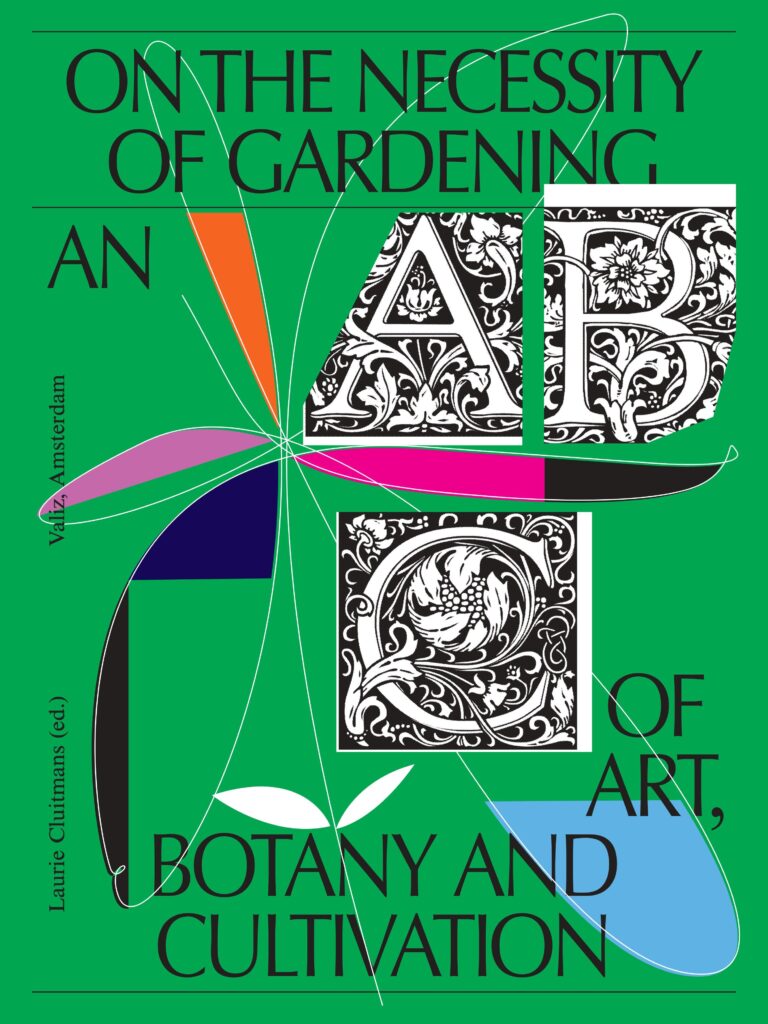
On the Necessity of Gardening: An ABC of Art, Botany and Cultivation | Maria Barnas
Books
Product: On the Necessity of Gardening: An ABC of Art, Botany and Cultivation | Maria Barnas
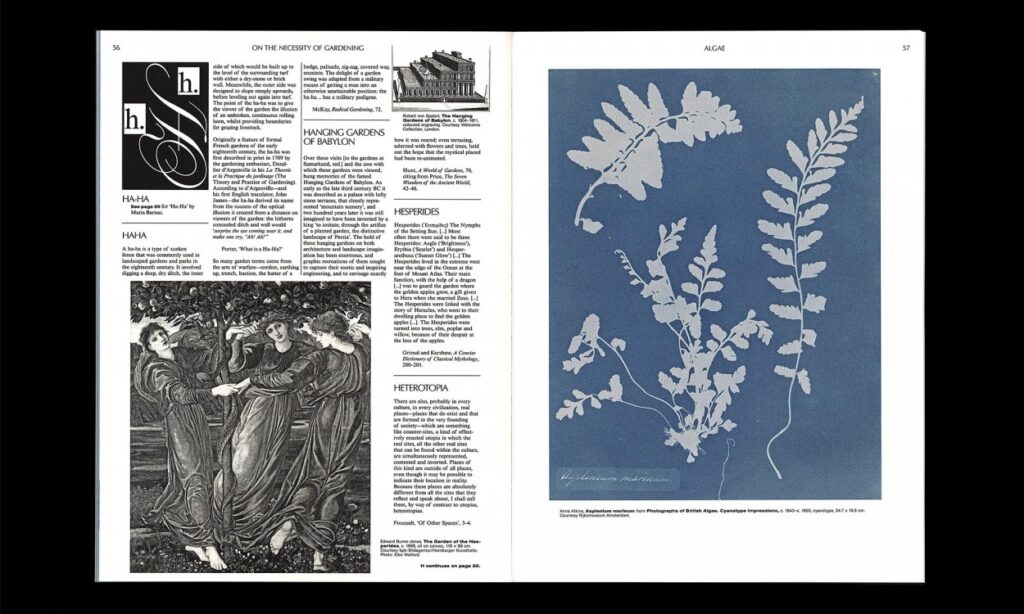
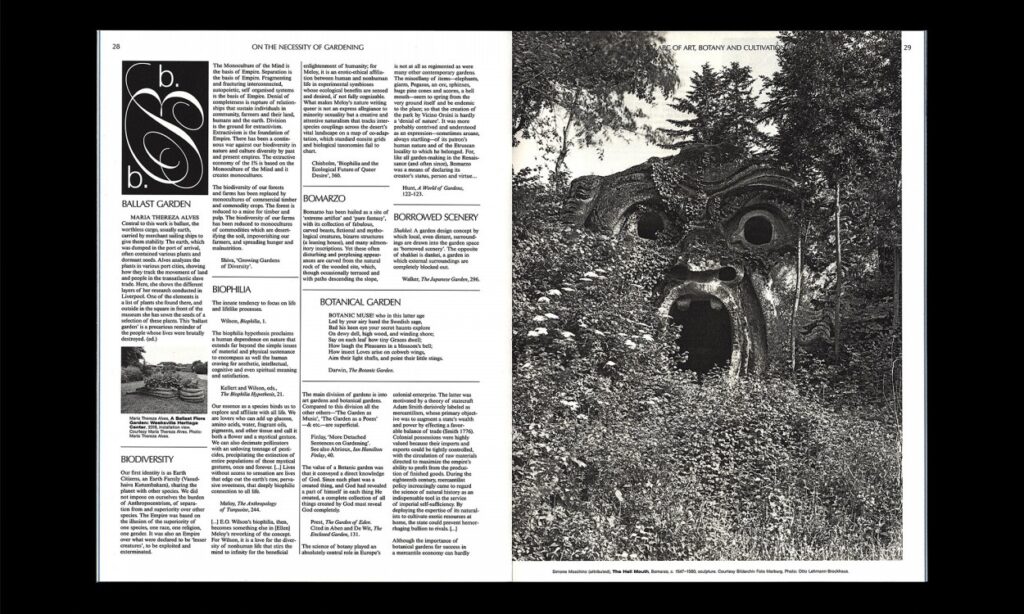
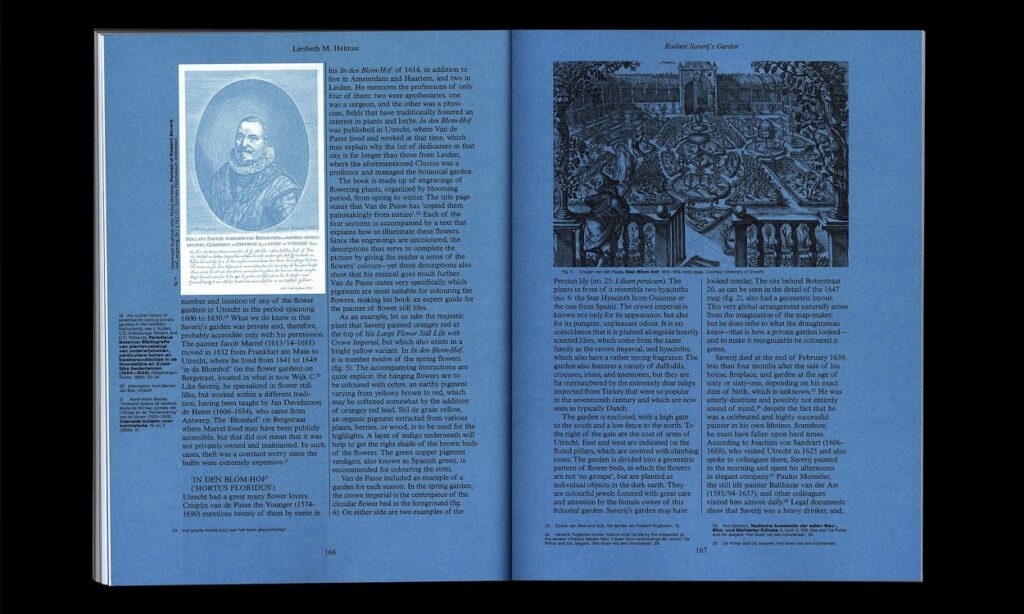
For centuries, the garden has been regarded as a mirror of society, a microcosm, in which the broader relationships between nature and culture are played out on small scale. From this long cultural tradition also raises a call for a new awareness of our relationship with the Earth.
On the Necessity of Gardening tells the story of the garden as a rich source of inspiration. Over the centuries, artists, writers, poets and thinkers have each described, depicted and designed the garden in different ways. In medieval art, the garden was a reflection of paradise, a place of harmony and fertility, shielded from worldly problems.
However, the garden is not just a neutral place and intended solely for personal pastime, it is a place where the world manifests itself and where the relationship between culture and nature is expressed. In the eighteenth century this image shifted: the garden became a symbol of worldly power and politics. The Anthropocene, the era in which man completely dominates nature with disastrous consequences, is forcing us to radically rethink the role we have given nature in recent decades.